Hey there, fellow adventurers and K-beauty enthusiasts! If you’re anything like me, you’re probably dreaming of your next trip to Seoul, or maybe you’re already planning out every detail, from the best skincare hauls to where to find the most delicious street food. As someone who’s lived and breathed Seoul for years, I know there are always those little cultural quirks that pop up, making you wonder, “Am I doing this right?” One question I get asked a lot, especially from friends visiting from the US and Europe, is about tipping etiquette in South Korea restaurants and cafes. Let me tell you straight up: this post is going to save you a moment of awkward fumbling for extra cash and help you navigate dining like a local. You’ll learn exactly why and when (or, more accurately, when *not* to) leave a little something extra, ensuring your interactions are smooth and respectful.
Key Takeaways
- No Tipping Culture: Tipping is generally not expected or practiced in South Korea, including restaurants, cafes, and bars.
- Service Charges are Rare: Unlike some Western countries, service charges are rarely added to bills.
- Potential Awkwardness: Attempting to tip can sometimes cause confusion or even be seen as rude.
- Excellent Service is Standard: High-quality service is considered part of the job, not something extra to be rewarded with a tip.
- Focus on Politeness: A simple “” (gam-sa-ham-ni-da – thank you) goes a long way.
Heads up: this post contains affiliate links. If you make a purchase through one, I may earn a small commission at no extra cost to you — thanks for supporting the blog!

Understanding Korean Tipping Culture: It’s Not What You Expect
Let’s get right to it: the biggest takeaway you need to know about tipping in South Korea is that it’s simply not part of the culture. Seriously. Forget everything you know about leaving an extra 15-20% for good service, or even rounding up the bill. In South Korea, especially in restaurants and cafes, tipping is not practiced, expected, or even really understood by most service staff.
I remember my first few weeks living near Hongdae, fresh off the plane, and trying to leave a few thousand won on the table after a delicious meal. The server looked genuinely confused, and then politely (but firmly) tried to return the money, thinking I’d forgotten it! It was a bit embarrassing, but a valuable lesson learned. This “no-tipping policy Korea” is pretty universal across the country, from the smallest street food stall in Myeongdong to the fanciest fine-dining establishment in Gangnam.
Why No Gratuity in South Korea?
This cultural difference often surprises visitors, especially those from countries where tips form a significant portion of service workers’ income. The reason behind the lack of gratuity in South Korea stems from a few key factors. For one, service quality is generally considered a fundamental part of the job, rather than an optional extra. Staff are paid a fair wage, and providing excellent, attentive service is just what they do.
There’s also a strong cultural emphasis on respect and dignity in work. Accepting a tip might sometimes be perceived as implying that their regular wages are insufficient, which can be seen as slightly insulting. It’s truly a different mindset, and one that promotes consistent, high-quality service across the board without the added pressure or expectation of a tip.

Dining Out: Restaurant Etiquette Seoul and Beyond
When you’re enjoying a meal, whether it’s a bustling Korean BBQ joint in Sinchon or a serene temple stay meal outside the city, the rule remains the same: no need to tip. Your bill will reflect the cost of your food and drinks, and that’s it. You won’t find a line for “gratuity” or “service charge” on your receipt, because it’s simply not a thing.
Instead of worrying about leaving extra money, focus on other aspects of good restaurant etiquette Seoul locals appreciate. Be polite, use basic Korean phrases like “” (thank you) when served, and try to avoid being overly loud or disruptive, especially in more traditional or quiet eateries. Clearing your own dishes to a designated spot at a self-service restaurant or cafe, or stacking them neatly at a table, is also a thoughtful gesture that helps staff. These small acts of consideration are far more valued than any monetary tip.
What About Service Charge Korea? Is It Ever Applied?
Occasionally, you might encounter a “service charge” at extremely high-end hotels or very exclusive, internationally-branded restaurants, usually in areas like Cheongdam-dong or in major hotel chains. However, this is quite rare in the vast majority of local restaurants and cafes you’ll visit. If a service charge is applied, it will be clearly stated on your menu or bill, and it’s already included in the price, so there’s no need to add anything further. Think of it more as an administrative fee than a tip for individual staff.
For the average traveler exploring neighborhoods like Insadong for traditional tea, or grabbing a quick bite at a kimbap shop near your hotel, a “service charge Korea” is almost certainly not something you’ll encounter. Your bill is simply your bill. Period.
Cafes, Bars, and Beyond: Where the No-Tipping Rule Applies
The no-tipping rule extends far beyond just sit-down restaurants. It applies equally to cafes, bars, street food vendors, and even most delivery services. Whether you’re grabbing a trendy coffee in Garosu-gil, enjoying a craft beer in Itaewon, or indulging in some spicy tteokbokki from a street cart, the price you see is the price you pay.
Don’t feel pressured to leave change at the counter of your favorite cafe, even if the barista crafted a latte art masterpiece. A genuine smile and a “” (go-map-seum-ni-da – another way to say thank you) are the best forms of appreciation you can offer. I’ve spent countless hours in cafes across Seoul, from quiet study spots in Sinchon to bustling chains in Gangnam, and I’ve never once seen a tip jar or observed anyone leaving extra cash. It’s just not part of the social contract here.
Taxis, Tour Guides, and Other Services
What about other services? The general rule of no tipping still largely holds true. For taxis, round up the fare to the nearest 1,000 won if you wish, but it’s certainly not expected. Most taxi drivers will give you exact change. Tour guides, especially those working for larger companies, are typically paid a set wage and do not expect tips. However, if you’ve had an absolutely exceptional private tour experience, a small gift or a sincere thank you note might be a more culturally appropriate gesture than cash, though even that is not a strong expectation.
When it comes to hotel staff, bellhops, or housekeepers, the same principle applies. They are paid for their services, and a tip is not necessary. Instead, acknowledge their service with a polite nod, a smile, and a “.” This genuine expression of gratitude is often more appreciated than an attempted tip.

Cultural Nuances: What to Do Instead of Tipping
Since cash tips aren’t the way to show appreciation, how can you truly thank someone for exceptional service in Korea? It comes down to understanding and respecting the local culture. Here are a few ways to genuinely show your gratitude:
- Sincere Thanks: A heartfelt “” (gam-sa-ham-ni-da) or “” (go-map-seum-ni-da) goes a very long way. Eye contact and a polite bow (a slight nod of the head is usually sufficient) amplify your sincerity.
- Positive Reviews: If you had a fantastic experience, especially at a smaller, independent business, leaving a positive review online (on Google Maps, Naver Maps, or social media) is incredibly valuable. It helps their business thrive and shows you appreciated their hard work.
- Return Visits: Becoming a repeat customer, particularly at a local eatery or cafe you love, is a huge compliment. Staff will often recognize you and appreciate your loyalty.
- Small Gestures: For tour guides or private drivers who have gone above and beyond, a small, thoughtful gift from your home country (like a local snack or souvenir) can be a nice gesture, though not expected.
Remember, the goal is to integrate smoothly into the local way of life. Attempting to force a tipping culture where it doesn’t exist can sometimes create an awkward situation for both you and the service provider. Embrace the simplicity and clarity of knowing that the price listed is the final price, and that good service is simply part of the excellent standard you can expect in Korea. This is part of the charm of the country, where quality service is a given, not something you have to pay extra for.
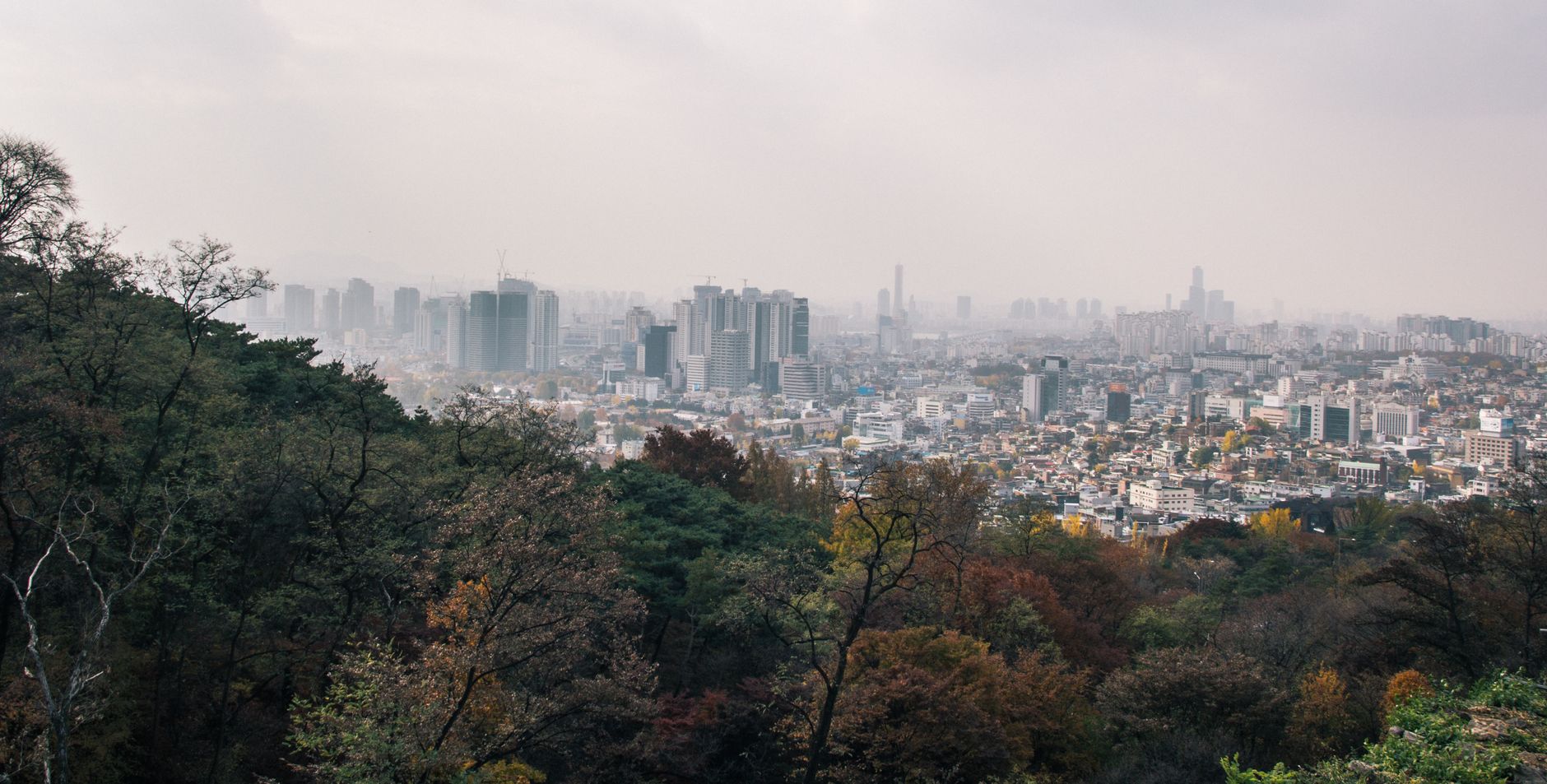
Photo by Tranmautritam on Pexels
Final Thoughts on Tipping Etiquette in South Korea Restaurants and Cafes
So, the next time you find yourself enjoying a delicious meal or a refreshing coffee in South Korea, you can relax and simply enjoy the moment without worrying about tipping. The price on your bill is the total price. This unique aspect of Korean tipping culture is one of the many things that makes traveling here so straightforward and enjoyable. It also speaks volumes about the value placed on service as an integral part of the experience, rather than an optional extra.
Focus on being polite, respectful, and appreciative, and you’ll have wonderful interactions everywhere you go. And speaking of smooth experiences, if you’re planning your trip and wondering about bringing any specific medications, make sure you’re prepared by checking out our comprehensive guide on Korea Meds: Your Guide to Customs Regulations. It’ll help you avoid any unexpected hiccups at the airport.
Enjoy your culinary adventures in Korea, and remember that your genuine appreciation for the excellent service you receive is the best “tip” you can give!