Oh, the magic of Korean food delivery! If you’ve spent any time in Seoul, you know that the sheer convenience of getting virtually anything delivered right to your door (or even to a park bench by the Han River!) is truly next-level. But let’s be real, for us foreigners, the dream of a late-night fried chicken order can quickly turn into a headache, especially when you hit that wall of needing a local phone number. Don’t worry, my friend, because this guide is your secret weapon to mastering the art of ordering delicious Korean food delivery, even if you’re using a non-Korean phone number. You’re about to unlock a whole new level of culinary convenience!
Check Price for [Oneday Hanbok] Seoul Gyeongbokgung Hanbok Rental Experience →
Here’s what you’ll gain from this post: You’ll learn exactly which apps are your best bet for seamless ordering, discover how to navigate payment options with international cards, and pick up insider tips to ensure your food arrives without a hitch. Get ready to eat like a local, no Korean SIM card required!
Quick Takeaways:
- Shuttle Delivery is Your Safest Bet: It’s fully in English, accepts international cards, and doesn’t require a Korean phone number for sign-up.
- Baemin is Now Foreigner-Friendly: Korea’s most popular app, Baedal Minjok (Baemin), now allows orders without an account, using international phone numbers and foreign credit cards.
- Coupang Eats & Yogiyo are Trickier: While Coupang Eats has an English interface, both often require local verification or Korean payment methods, making them less reliable for short-term visitors.
- Address Matters: Always provide a precise and detailed address to prevent delivery mishaps.
- Payment Options are Key: International credit cards and PayPal are your friends on foreigner-focused apps.
Heads up: this post contains affiliate links. If you make a purchase through one, I may earn a small commission at no extra cost to you — thanks for supporting the blog!
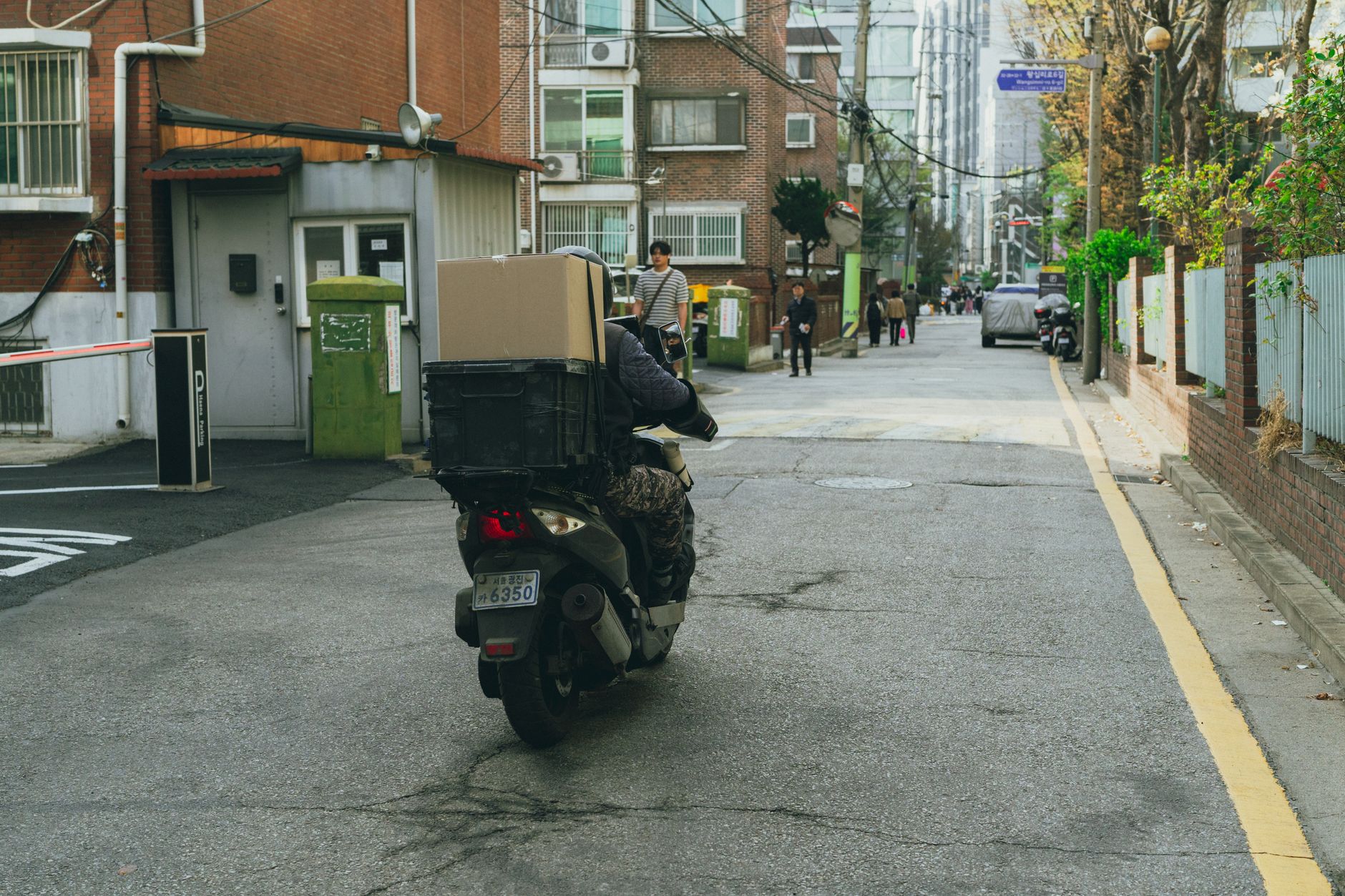
Photo by Theodore Nguyen on Pexels
The Delivery Dream: Why Food Delivery in Korea is a Must-Try
Seriously, if there’s one thing Korea does exceptionally well, it’s delivery. It’s not just about getting food; it’s a lifestyle. Imagine craving piping hot jjajangmyeon (black bean noodles) or a crispy plate of chimaek (fried chicken and beer) at 11 PM, and having it arrive at your door within 30 minutes, often still steaming. This isn’t just a fantasy; it’s an everyday reality for millions here in Korea. From bustling Seoul neighborhoods like Gangnam and Hongdae to quieter towns, the delivery infrastructure is incredibly robust and efficient.
For expats and travelers alike, experiencing this convenience is a huge part of immersing yourself in Korean daily life. It means you can enjoy restaurant-quality meals from the comfort of your Airbnb, hotel room, or even while picnicking by the Han River, just like you see in K-dramas. The sheer variety of cuisines available, from traditional Korean dishes to international favorites, means there’s always something to satisfy every craving. It’s truly a game-changer when you’ve had a long day exploring palaces like Gyeongbokgung and just want to kick back with some delicious grub.
Navigating the Apps: Which Food Delivery Apps in Korea are Easiest for Foreigners to Use
Okay, this is where the rubber meets the road. When you first dive into the world of Korean delivery apps, it can feel like you’ve landed on an alien planet, especially with the language barrier and those pesky Korean phone number requirements. But fear not! There are definitely some standout options that make life much, much easier for us non-locals. Let’s break down which food delivery apps in Korea are easiest for foreigners to use, focusing on those that truly understand the international struggle.
Shuttle Delivery: Your Go-To for English Support
If you ask any expat in Korea which app is their lifeline for food delivery, Shuttle Delivery will almost certainly be the first name out of their mouths. This app was literally designed with foreigners in mind, and it shows. Everything from the app interface to customer support is available in English, which is a massive relief when you’re trying to order kimchi jjigae and not accidentally end up with a side of socks. You can sign up using just your email, and crucially, you don’t need a Korean phone number or an Alien Registration Card (ARC) to get started.
Shuttle also boasts a wide range of payment options that are friendly to international users, including overseas credit cards, PayPal, and even KakaoPay. While their restaurant selection might be slightly smaller than the behemoth local apps, they still offer a fantastic array of Korean and international cuisines, especially in major expat-heavy areas like Itaewon, Gangnam, and Mapo-gu in Seoul, as well as in cities like Pyeongtaek and Busan. Plus, their live chat support is a godsend if you ever run into an issue.

Photo by Theodore Nguyen on Pexels
Baemin & Coupang Eats: The Local Giants (and their evolving accessibility)
Then there are the giants: Baedal Minjok (Baemin) and Coupang Eats. These are the apps that Koreans use daily, and for good reason – they offer an unparalleled selection of restaurants and incredibly fast delivery. Historically, these were tough nuts to crack for foreigners due to strict Korean-only interfaces and local phone number/ARC requirements.
However, I have some exciting news! Baemin has recently become much more foreigner-friendly. Many users, including myself and friends, have found that you can now actually place orders on Baemin without needing to create an account, using your international phone number for verification, and paying with a foreign credit card! This is a huge development that opens up a vast world of Korean culinary delights. The app is still mostly in Korean, so you might need a translation app like Papago or Google Lens handy, but with a bit of patience, it’s totally doable. Just make sure to look for the “non-member order” option or bypass the login screen.
Coupang Eats is another big player, known for its speedy service. It does have an English interface, which is a definite plus. However, it can still be a bit hit-or-miss with foreign credit cards and may sometimes prompt for local verification that requires a Korean phone number linked to an ARC. While some foreigners have success, it’s not as consistently smooth as Shuttle or the updated Baemin experience for those without a full local setup.
Yogiyo: Best for Korean Speakers or Web Browser Use
Yogiyo is another popular local app, but it’s largely in Korean. While they do have a website that can be translated using browser tools like Google Chrome’s auto-translate, the app itself is quite challenging without Korean language skills. It also tends to require a Korean phone number or local payment methods more consistently than Baemin for a smooth experience. So, unless you’re comfortable with Hangul or have a local friend to help, I’d suggest starting with Shuttle or Baemin.

Photo by Alexander London on Pexels
How to Order Delivery Food in Korea Using a Non-Korean Phone Number
Alright, let’s get down to brass tacks: how to order delivery food in Korea using a non-Korean phone number. This is often the biggest hurdle for tourists and new expats, but thankfully, it’s becoming much more manageable. The key is knowing which apps to use and how to navigate their systems. As we discussed, Shuttle Delivery is your undisputed champion here, but Baemin has also stepped up its game significantly.
Registration and Verification with an International Phone Number
For Shuttle Delivery, this part is a breeze. You can simply download the app, sign up with your email address, and you’re good to go. While phone verification is an option, it’s not strictly required to place an order, making it perfect for those on a short trip or without a local SIM.
With Baemin, the process has evolved. Now, you can often bypass account creation entirely. When you get to the checkout, look for an option that allows you to proceed as a guest or without logging in. When it asks for a phone number for delivery updates, you can input your international number. The system will usually send a verification code to your non-Korean number, which you then enter to confirm. This is a fantastic improvement and means you can tap into Baemin’s massive selection without needing a local ID or Korean mobile plan.
Payment Options for International Users
Once you’ve got your order ready, payment is the next step. Again, Shuttle Delivery is incredibly accommodating. They accept major international credit cards (Visa, Mastercard, Amex), PayPal, and even some cryptocurrencies. You can easily add your card details within the app, and it saves them for future orders, making reordering super quick.
For Baemin, the good news continues: they now accept foreign credit and debit cards for upfront payment. During checkout, select the option for “foreign credit card” ( ), and you’ll be directed to a secure page to enter your card details. This has removed a major barrier for foreigners who previously relied on local friends or cash-on-delivery options.
Delivery Address Woes (and solutions!)
This is a crucial point, especially in Korea where addresses can be quite specific. Whether you’re using Shuttle, Baemin, or another service, providing a precise address is paramount. Korean addresses often include building names, dong (neighborhood) names, and specific apartment or room numbers. Always try to get the full Korean address from your accommodation provider. For example, if you’re staying at an Airbnb, ask your host for the exact Korean address that a delivery driver would use. If you’re in a hotel, the front desk can often help you confirm the best way to phrase your address for delivery.
On apps like Shuttle, you can input your address in English, and they typically have systems in place to translate it for drivers. For Baemin, even if the app is in Korean, you can often use the map function to pinpoint your exact location or type in the romanized address. It’s also a good idea to add a delivery note (e.g., “Please leave at the door and ring the bell” or “Call if you can’t find it – international number”) in English, and if you can, a simple Korean phrase like ” ” (Mun ape dugo bel nulleojuseyo – “Leave at the door and ring the bell”) can be incredibly helpful.
Beyond Food: Other Handy Delivery Services for Expats
While we’re talking about food, it’s worth noting that Korea’s delivery culture extends far beyond just meals. You can get groceries, coffee, flowers, and even household essentials delivered right to your door. Coupang, for instance, is a massive e-commerce platform often dubbed the “Amazon of Korea,” offering next-day delivery on almost anything you can imagine. While the main Coupang app can have similar verification hurdles as Coupang Eats for foreigners without a Korean phone number and ARC, it’s still an incredible resource if you manage to get it set up, or if you have a local friend who can help.
Shuttle Delivery also offers grocery delivery through its “Shuttle Market” service, allowing you to get everyday essentials without a language barrier. This means you can stock up on snacks, drinks, or even ingredients for a home-cooked meal without having to navigate a Korean supermarket if you’re not feeling up to it. It’s all part of making your stay in Korea as comfortable and convenient as possible.

Photo by Theodore Nguyen on Pexels
Exploring Seoul Beyond Your Doorstep
Of course, while delivery food is amazing, don’t forget to step out and truly experience the vibrant culture of Korea! One of my absolute favorite things to recommend, especially for first-time visitors to Seoul, is renting a Hanbok. There’s something truly magical about strolling through the historic streets near Gyeongbokgung Palace, dressed in a beautiful traditional Korean dress. It’s not just a photo opportunity; it’s a chance to connect with Korea’s rich heritage in a really personal way. You’ll see locals and tourists alike doing it, and it creates such a joyful atmosphere. It’s an experience that makes you feel like you’ve stepped right into a historical K-drama!
If you’re looking to embrace this unique cultural experience, I highly recommend checking out the Seoul Gyeongbokgung Hanbok Rental Experience. It’s incredibly easy to book and you’ll find a fantastic selection of gorgeous hanboks to choose from. Make sure to reserve your hanbok in advance, especially during peak travel seasons, to get the best selection and avoid disappointment. It’s a perfect activity to combine with a visit to the palaces and nearby Bukchon Hanok Village. You’ll create memories (and photos!) that will last a lifetime.
Also available: Reserve Your Hanbok Now →
Pro Tips for a Smooth Delivery Experience
Even with the right apps and payment methods, a few extra tips can make your food delivery experience in Korea absolutely flawless:
- Double-Check Your Address: I can’t stress this enough! Korean addresses can be complex. If you’re in a hotel, ask the front desk for the address in Korean. For Airbnbs, confirm with your host. Include your building name, floor, and room number.
- Communicate with Drivers (if possible): While Shuttle offers English customer service, for other apps, a simple note in Korean for the driver can prevent confusion. Papago is your friend for quick translations!
- Consider Cash on Delivery (COD): Some smaller restaurants on local apps might still offer cash on delivery, which can be an option if your foreign card isn’t working on a particular platform. Always have some Korean Won handy just in case.
- Be Patient with Local Apps: If you’re venturing into Baemin or Coupang Eats with a translation app, remember that not all menus are perfectly translated. Look for images and popular items to guide your choices.
- Check Operating Hours: While Korea has amazing late-night delivery, some restaurants or services might have specific operating hours. Always check before placing a very late order.
- Don’t Forget Utensils: Many Korean delivery services default to not including disposable utensils to reduce waste. If you need them, make sure to select the option or add a note.
Living in Korea, I’ve learned that preparation is key, not just for ordering food but for many aspects of daily life. For instance, if you’re planning a longer stay and considering Renting in Korea? Expats, Get Your Docs Ready! – trust me, having your paperwork in order makes everything smoother, just like knowing your delivery app options. It’s all about making your Korean adventure as enjoyable and stress-free as possible!

Photo by Theodore Nguyen on Pexels
Conclusion: Your Korean Food Delivery Adventure Awaits!
So there you have it! The days of being intimidated by Korean food delivery apps because of a non-Korean phone number are officially over. With foreigner-friendly options like Shuttle Delivery leading the way, and major local players like Baemin stepping up their accessibility, you have more choices than ever to satisfy your cravings. Whether you’re a tourist enjoying a short visit or an expat settling into life in Seoul, delicious food is just a few taps away. Go forth, explore the incredible culinary landscape of Korea, and enjoy every single bite delivered right to you!