Moving to Seoul is an adventure, but bringing your beloved pet along can feel like navigating a maze. Don’t worry, I’ve been there, and I’m here to share the real-deal insights on how to find pet-friendly apartments for rent in Seoul without losing your mind. This guide is packed with practical tips and honest advice to help you and your furry companion settle into your new Korean home with ease.
You’ll discover the best strategies for finding landlords who welcome pets, understand the ins and outs of deposits, and learn how to navigate the local rental market. By the end of this post, you’ll have a clear roadmap to securing a comfortable home for both you and your four-legged family member.
Key Takeaways
- Finding pet-friendly housing in Seoul requires proactive communication with landlords and often involves working with specialized realtors.
- Many buildings have strict rules against pets due to concerns about noise and hygiene, but dedicated searches can yield good results.
- Expect to discuss potential extra pet deposits or cleaning fees, and ensure all agreements are in writing.
- Considering housing types like officetels, villas, or furnished rentals, and exploring neighborhoods with green spaces, can broaden your options.
- For affordable long-term housing, be prepared to adjust expectations on location and potentially work with expat-focused agencies.
Heads up: this post contains affiliate links. If you make a purchase through one, I may earn a small commission at no extra cost to you — thanks for supporting the blog!
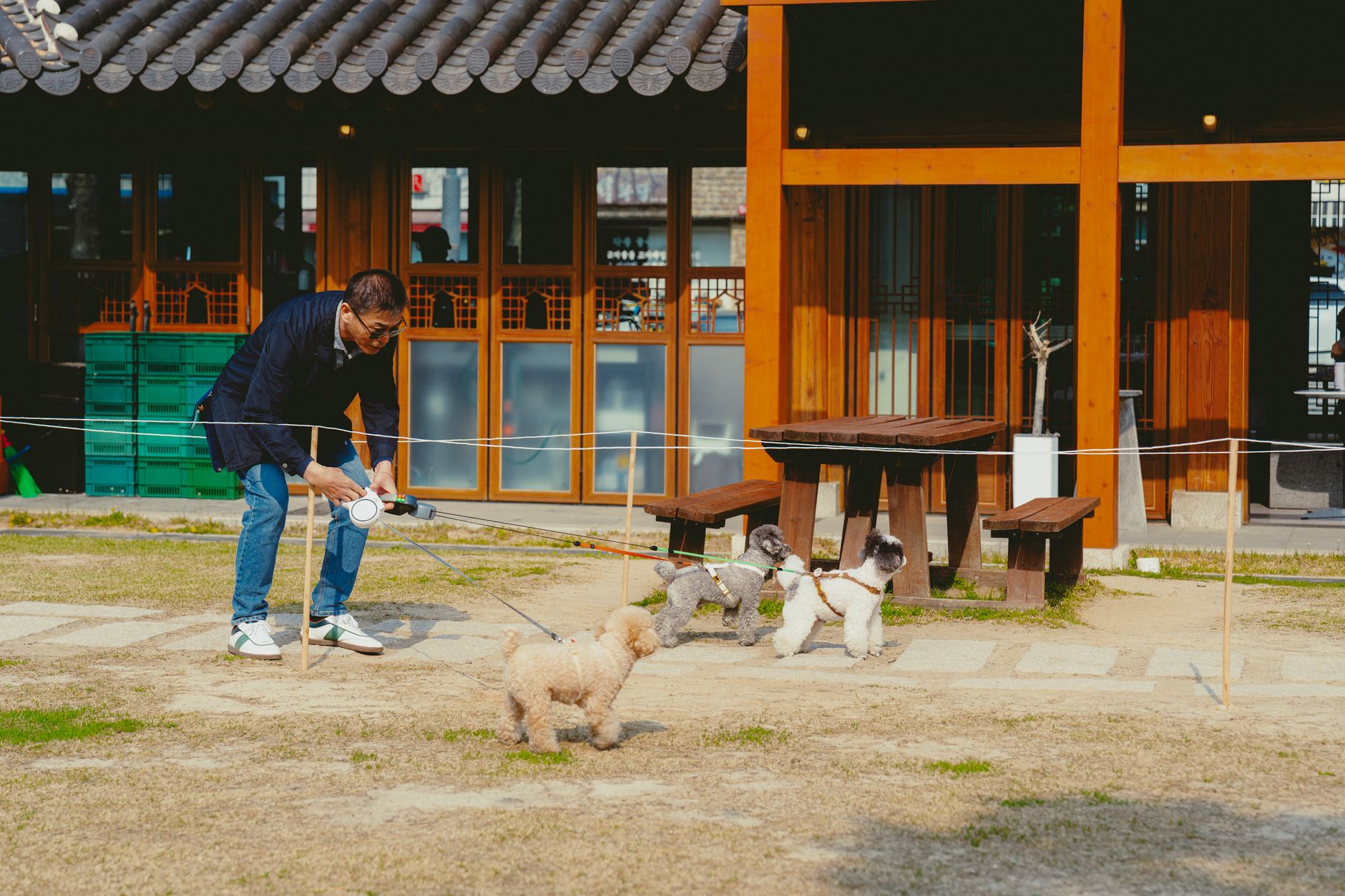
Photo by Theodore Nguyen on Pexels
The Reality of Finding Animal-Friendly Rentals in Korea
Let’s be real, finding animal friendly rentals in Korea, especially in a bustling city like Seoul, can be a bit of a challenge. It’s not always as straightforward as it is in some Western countries. From my experience living here, many landlords and apartment complexes have traditionally been hesitant to allow pets, primarily due to concerns about noise, potential damage, and hygiene. You might encounter listings that quietly ban pets, or even explicit clauses in lease agreements prohibiting them.
The crucial thing to understand is that pet policies in South Korea are generally set by individual landlords or building management committees, not by a city-wide law. This means there isn’t a blanket rule, and what’s allowed in one building might be strictly forbidden in another, even just down the street. It’s why you’ll often hear stories of expats having to search extensively or, in some unfortunate cases, even keeping their pets a secret, which I strongly advise against. Open and honest communication from the very beginning is your best friend when navigating expat housing Seoul pets.
Your Best Bets: How to Find Pet-Friendly Apartments for Rent in Seoul
So, how do you actually find a place where your furry friend is welcome? The good news is that attitudes are slowly shifting, and with a growing number of pet owners in Korea, more options are becoming available. The key is knowing where to look and how to approach the search.
Working with English-Speaking Realtors
Honestly, this is often your golden ticket. Trying to navigate the Korean real estate market, especially with a specific requirement like pet ownership, can be daunting if you’re not fluent in Korean. English-speaking realtors who specialize in helping expats are invaluable. They understand the nuances of the local market and, crucially, know which landlords are generally more flexible. Many of these realtors will pre-filter listings for ” ” (pets allowed) and confirm the pet policy directly with the landlord before you even view a property. This saves you a tremendous amount of time and heartache.
Leveraging Online Platforms and Filters
While realtors are fantastic, you can also start your search online. Websites like Airbnb, Vrbo, and even some local rental platforms are increasingly incorporating “pet-friendly” filters. However, always, and I mean always, follow up with a direct inquiry to the host or landlord to confirm their specific pet policy. Ask about the type, size, and number of pets allowed, and if there are any additional fees. Sometimes a listing might be marked pet-friendly, but only for small dogs, or perhaps cats are not permitted.
Exploring Different Housing Types
When it comes to Seoul apartments for pet owners, certain types of housing tend to be more accommodating. Officetels, which are typically studio or one-bedroom units often found in central areas, can be an option, though they might be compact. Villas (), which are more like multi-family low-rise buildings, and traditional apartments () can offer more space, and many complexes now feature nearby green areas, which is a huge plus for dog owners. Furnished rentals are also a great choice, especially for those looking for short to medium stays without the hassle of shipping furniture.
Considering Pet-Friendly Neighborhoods
While no neighborhood is exclusively pet-friendly by law, some areas naturally have a higher concentration of pet owners and, consequently, more accepting landlords. Neighborhoods known for their expat communities, like Itaewon and Haebangchon (HBC), often have more options. Yeonhui-dong is another area frequently mentioned by pet owners for its dog-friendly vibe and access to parks like Ansan Mountain. When you’re scouting locations, keep an eye out for green spaces and walking trails – these are vital for your pet’s well-being and your daily routine.
On a related note, if you ever find yourself or your pet feeling under the weather in Korea, it’s good to know where to turn for help. Check out our guide on Sick in Seoul? Korean Healthcare Without the Stress for some peace of mind.
Navigating Pet Deposits and Lease Agreements
This is where things can get a little tricky, but forewarned is forearmed! In Korea, a pet deposit isn’t always a separate, explicit fee like in some other countries. Instead, landlords might ask for a slightly higher overall security deposit (, bojeunggeum) or include specific clauses in the lease agreement about cleaning and potential damage caused by pets. It’s crucial to clarify these points with your realtor or landlord and ensure they are explicitly written into your contract. You don’t want any surprises when it’s time to move out!
Korean rental agreements typically involve two main systems: Wolse () and Jeonse ().
- Wolse (Monthly Rent): This is the most common option for expats. You pay a smaller upfront security deposit (), usually 10-20 times your monthly rent, plus a monthly rental fee. For example, a studio apartment in Seoul might require a ₩10 million (approximately $7,200 USD) deposit and a monthly rent of around ₩720,000 (around $520 USD).
- Jeonse (Lump-Sum Deposit): This system is more popular among Koreans and requires a very large lump-sum deposit, often 50-80% of the property’s value, with no monthly rent. The deposit is returned at the end of the lease. While it eliminates monthly rent, the substantial upfront capital makes it less accessible for many expats.
Regardless of the system, always ensure your lease is registered (, hwakjeong ilja) to protect your deposit.
Here’s a general idea of deposit and rent ranges you might encounter:
| Housing Type | Typical Deposit (Wolse) | Monthly Rent Range |
|---|---|---|
| Studio/Officetel | ₩5M – 20M | ₩500,000 – 1,000,000 |
| 1-2 Bedroom Apartment/Villa | ₩10M – 50M | ₩800,000 – 2,500,000 |
(Note: Prices are approximate and can vary greatly by location, size, and building age.)
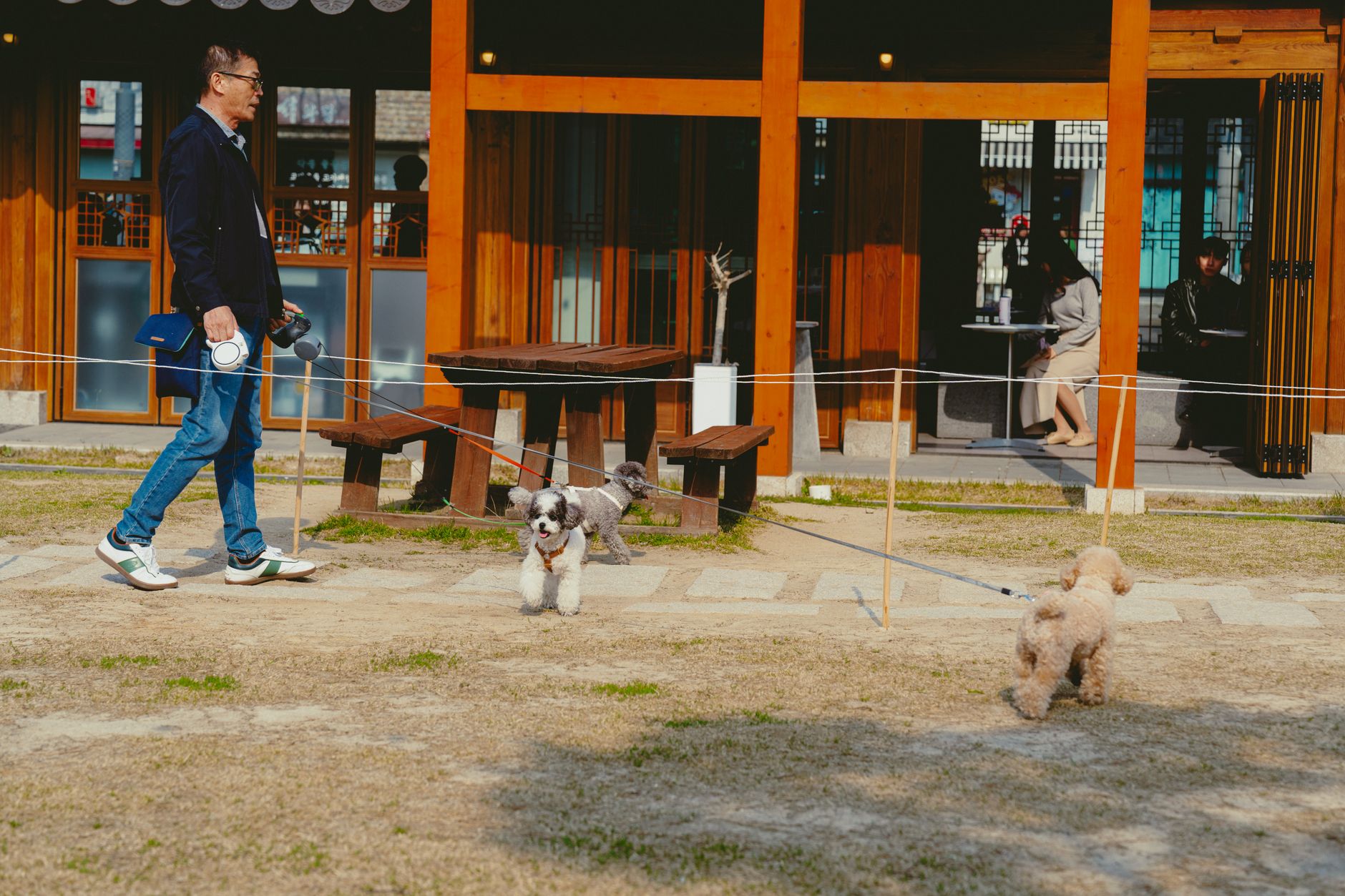
Photo by Theodore Nguyen on Pexels
How to Find Affordable Long-Term Housing in Seoul for Expats (Especially with Pets)
Now, let’s tackle the “affordable” aspect, especially when you’re looking for how to find affordable long-term housing in Seoul for expats while also accommodating your pets. Seoul isn’t always known for being cheap, but with a bit of strategy, it’s definitely possible to find a comfortable place that won’t break the bank.
First, be prepared to consider areas slightly outside the most central or trendiest districts. While Gangnam and Hongdae are fantastic, they often come with a premium price tag. Exploring neighborhoods in Gangbuk (north of the Han River) or slightly further out in areas like Nowon-gu or Gangbuk-gu can offer more budget-friendly options, with studios potentially ranging from ₩400,000-₩600,000 per month. These areas still have excellent public transport links, so you won’t feel isolated.
Another tip for finding long-term housing in Seoul for expats is to embrace furnished rentals. Companies like Blueground offer fully furnished apartments with flexible lease terms, which can be a lifesaver when you’re just settling in and don’t want the added expense or hassle of buying furniture. This is particularly helpful when you’re moving to Seoul with pets, as it reduces the number of things you need to worry about transporting or acquiring locally.
While you’re searching for your perfect long-term home, you might need a comfortable place for a temporary stay. I highly recommend checking out Jamsil Delight Hotel. It’s a fantastic option for a short-term stay, offering comfort and convenience while you finalize your long-term arrangements. It’s a great base from which to explore the city and continue your apartment hunt.
Also available: Check Current Price & Availability for Jamsil Delight Hotel →
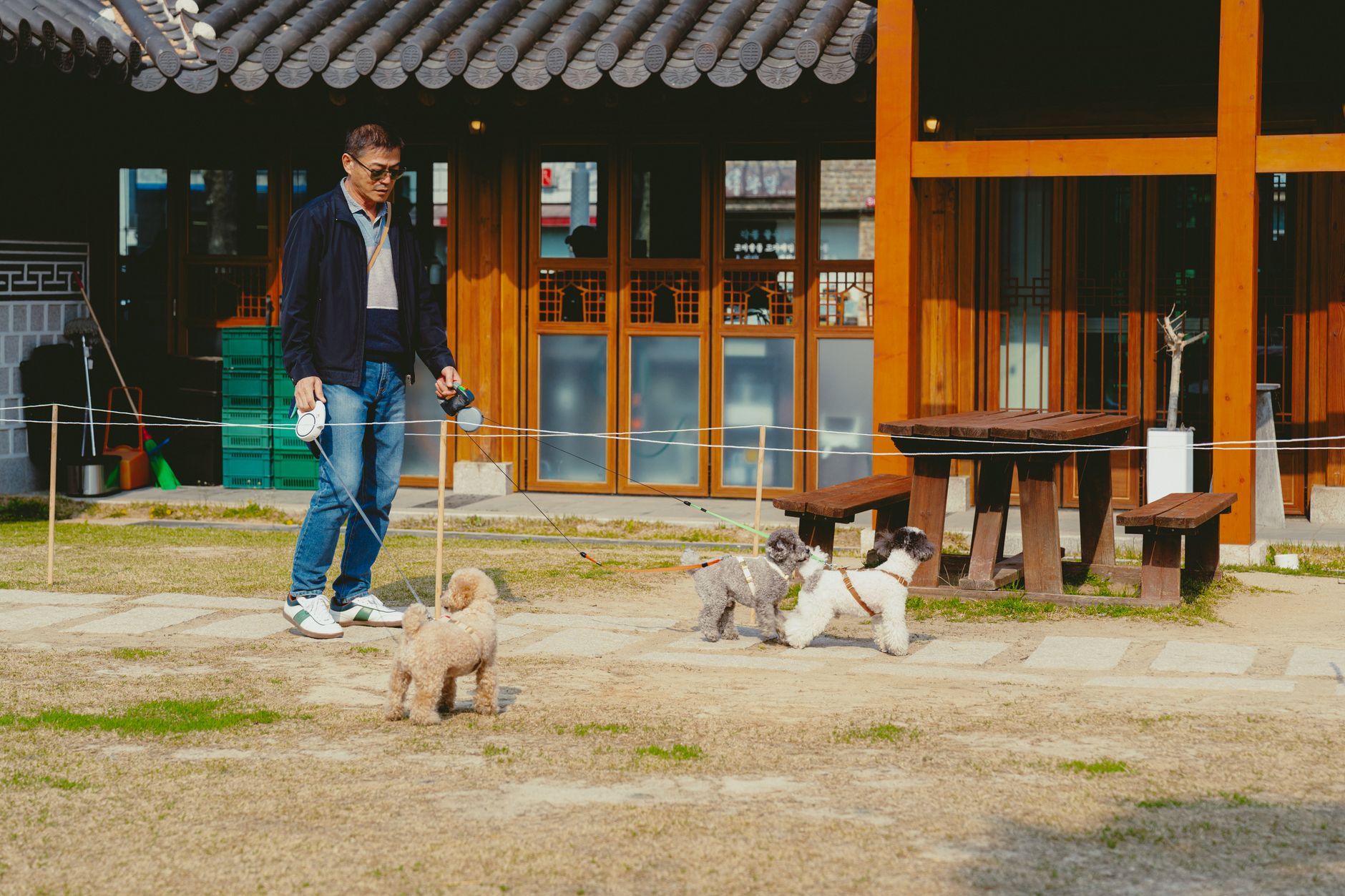
Photo by Theodore Nguyen on Pexels
Preparing Your Furry Friend for Life in Seoul
Bringing your pet to Korea involves a bit of paperwork and planning, but it’s totally doable. The main requirements include an ISO-compliant microchip, up-to-date rabies vaccinations (given at least 21-30 days prior to travel), a positive rabies antibody test result (dated 30 days to 24 months before travel, with a result of 0.5 IU/mL or higher), and a government-issued health certificate from your home country. Make sure all your documents are in order to avoid any quarantine periods upon arrival.
Once you and your pet are settled, remember that dog registration is mandatory in cities like Seoul, and you’ll need to register your dog with local authorities, often through a designated animal hospital. Life with a pet in Seoul is vibrant! There are an increasing number of pet-friendly cafes, parks, and even shopping malls. You’ll find excellent veterinary care, though it’s worth noting that the variety of pet food and supplies can sometimes be more limited than in Western countries, so plan accordingly. Be prepared for average monthly pet expenses around ₩142,000, with vet costs being a significant portion.
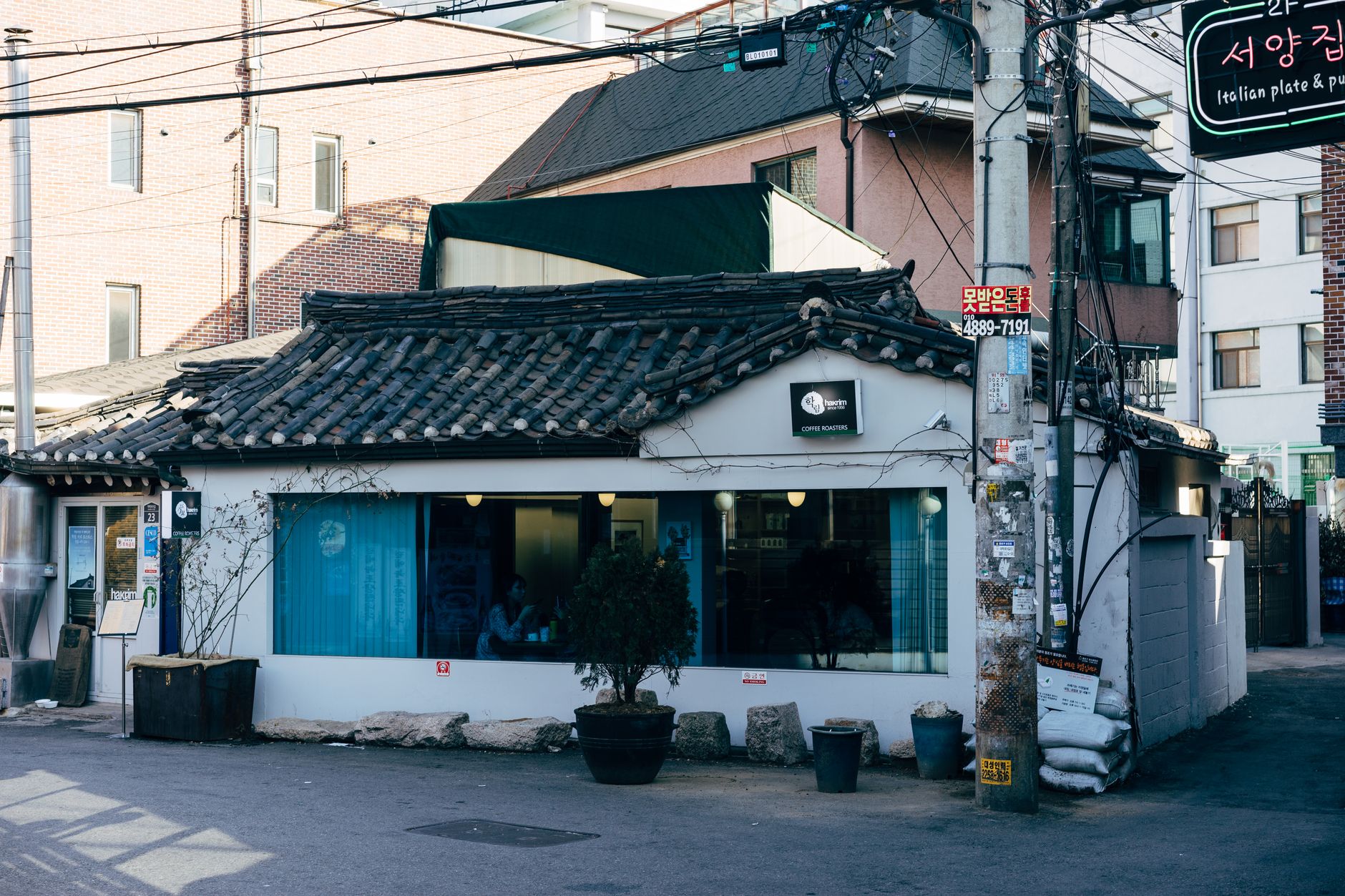
Photo by Markus Winkler on Pexels
Finding a pet-friendly apartment in Seoul might seem like a daunting task at first, but with persistence, the right resources, and a clear understanding of the local rental landscape, you can absolutely make it happen. Remember to be transparent about your pets, work with experienced realtors, and carefully review all lease agreements. Seoul is a fantastic city, and with a little planning, you and your beloved companion can enjoy all it has to offer. Happy house hunting!