Planning a trip to Seoul is an absolute thrill, isn’t it? As someone who’s spent years soaking up the vibrant energy of this incredible city, I know firsthand that timing your visit can make all the difference between a good trip and an absolutely unforgettable one. If you’re dreaming of a trip to the vibrant heart of South Korea, you’re probably wondering about the best time of year to visit Seoul, Korea, and I’m here to spill all the tea, no filter.
Forget the generic travel guides – I’m going to walk you through the real Seoul, season by season, sharing insider tips on what to expect, what to pack, and how to make the most of your adventure. By the end of this, you’ll know exactly when to pack your bags for your perfect Korean getaway.
Quick Answer: Your Seoul Travel Cheat Sheet
- Spring (April-May): Mild weather, cherry blossoms, and vibrant festivals. Expect crowds and higher prices.
- Summer (June-August): Hot, humid, and rainy, but full of lively nightlife and indoor activities. Great for budget travelers who don’t mind the heat.
- Autumn (September-October): Crisp air, stunning fall foliage, and ideal hiking conditions. Widely considered the most beautiful time, hence also busy.
- Winter (December-February): Cold and dry with occasional snow, perfect for cozy cafes, winter sports nearby, and fewer crowds (outside of holidays).
Heads up: this post contains affiliate links. If you make a purchase through one, I may earn a small commission at no extra cost to you — thanks for supporting the blog!
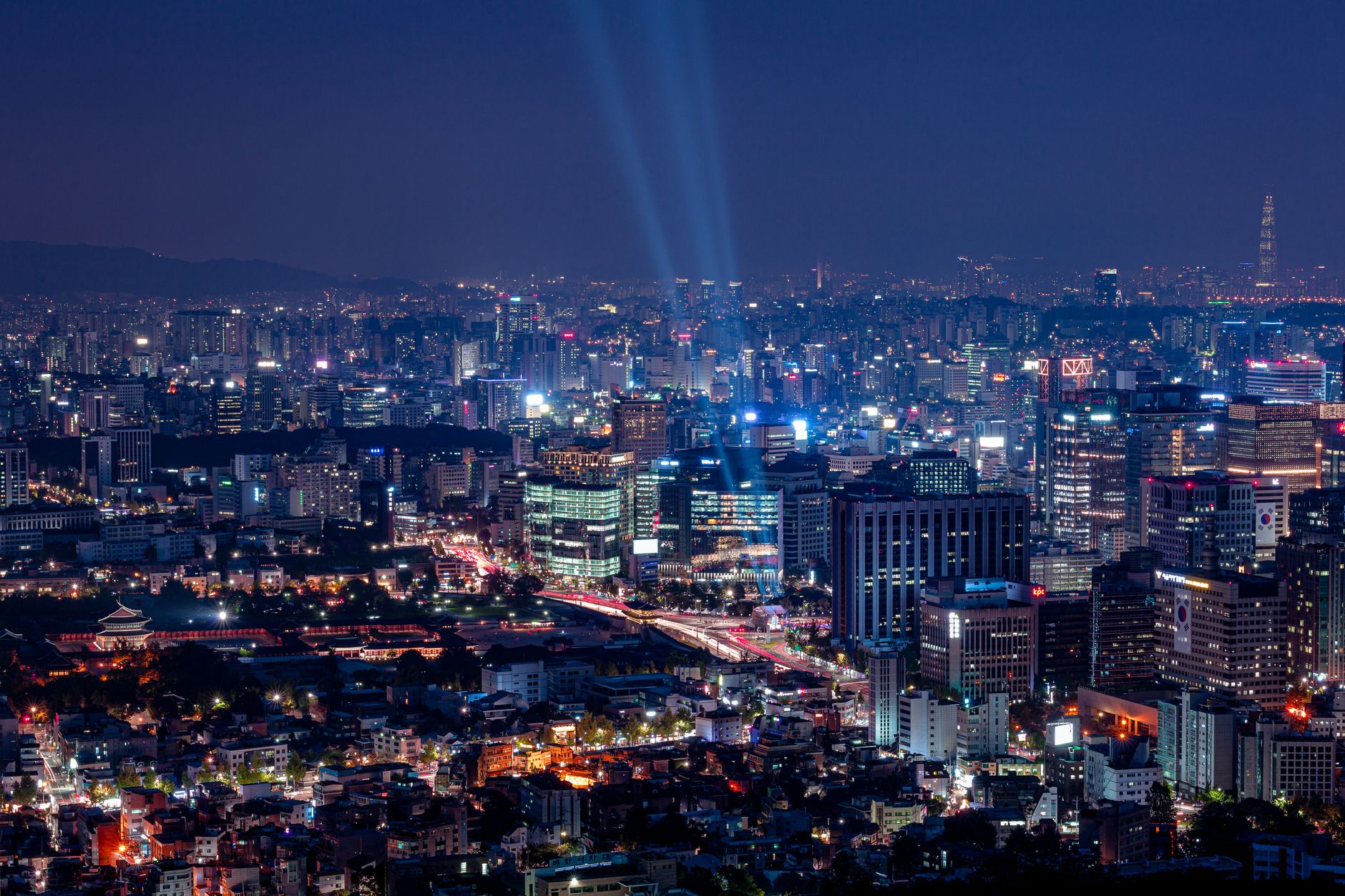
Seoul in Spring: Cherry Blossoms and Mild Breezes
Ah, spring in Seoul! It’s truly magical, like stepping into a K-drama. From late March through May, the city slowly awakens from its winter slumber, bursting into life with cherry blossoms, azaleas, and forsythias. The weather during this period is generally mild and pleasant, with average temperatures ranging from 10°C to 18°C (50°F to 64°F). It’s the kind of weather that makes you want to stroll through palaces and picnic by the Han River.
April is often considered the peak for cherry blossoms, especially around Yeouido Park and the streets surrounding Gyeongbokgung Palace. Imagine walking under tunnels of soft pink and white petals – it’s breathtaking. This makes it an incredibly popular time for visitors, so expect larger crowds at major attractions and potentially higher flight and accommodation prices.
What to Do in Spring
- Palace Hopping: Visit Gyeongbokgung, Changdeokgung, and Deoksugung. The mild weather is perfect for exploring these historical sites. Don’t forget to check out the Best Hanbok Rentals Near Gyeongbokgung Palace to truly immerse yourself in the experience.
- Picnics by the Han River: Grab some chimaek (chicken and beer) and enjoy the riverside parks. Ttukseom Hangang Park is a personal favorite.
- Flower Festivals: Beyond cherry blossoms, you’ll find various flower festivals celebrating azaleas and other spring blooms across the city.
Packing for spring means layers are your best friend. A light jacket or cardigan for cooler evenings, comfortable walking shoes, and perhaps a small umbrella for occasional spring showers are essential.
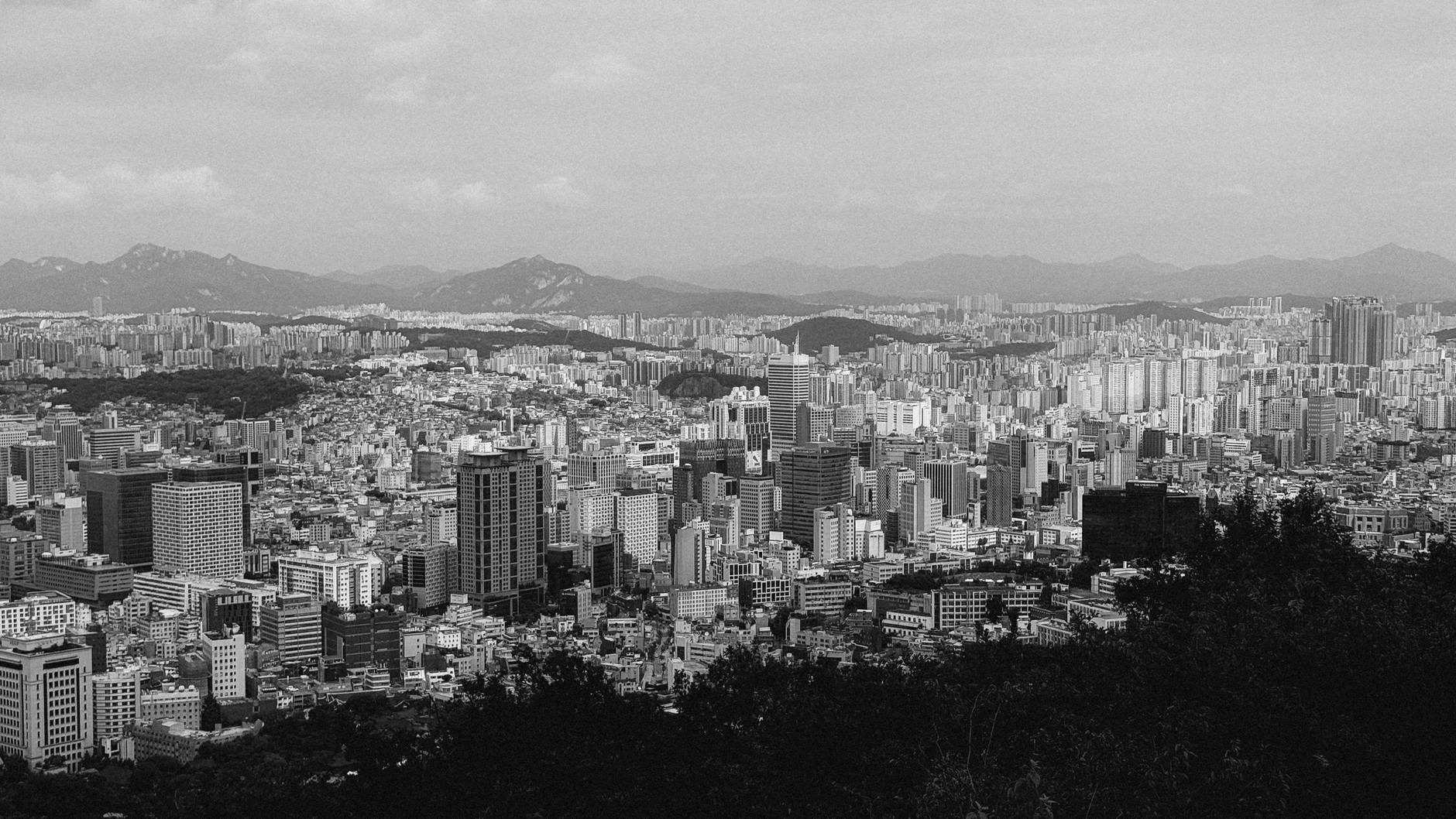
Seoul in Summer: Vibrant Energy and Humid Days
Summer in Seoul, from June to August, is a whole different beast. It gets hot and humid, with temperatures often soaring above 25°C (77°F) and sometimes hitting 30°C (86°F) or more. July and August are also part of the monsoon season, meaning you can expect frequent, heavy rainfall. While some shy away from the heat and humidity, I actually love summer’s unique vibe in Seoul.
The city truly comes alive after dark with bustling night markets, outdoor concerts, and rooftop bars. While daytime might be for air-conditioned museums or shopping malls in areas like Myeongdong or Gangnam, evenings are for exploring. If you’re someone who thrives in a lively atmosphere and doesn’t mind a little sweat (or rain!), summer can be a fantastic time to experience a different side of Seoul.
Embracing the Summer Heat
- Beat the Heat Indoors: Explore the COEX Aquarium, visit the National Museum of Korea, or spend an afternoon shopping in underground malls.
- Night Markets: Dongdaemun and Myeongdong night markets are buzzing with energy, street food, and unique finds once the sun sets.
- Water Parks & Beaches: While not right in Seoul, a day trip to a nearby water park like Caribbean Bay or a coastal city like Incheon or Gangneung can offer a refreshing escape.
- Bingsu & Cold Noodles: Indulge in icy bingsu (shaved ice dessert) and refreshing naengmyeon (cold noodles) – essential for beating the heat!
For summer, light, breathable clothing is a must. Think cottons and linens. A good umbrella (or a stylish rain jacket) is non-negotiable, and don’t forget strong sunscreen and a wide-brimmed hat. Hydration is key, so carry a reusable water bottle.
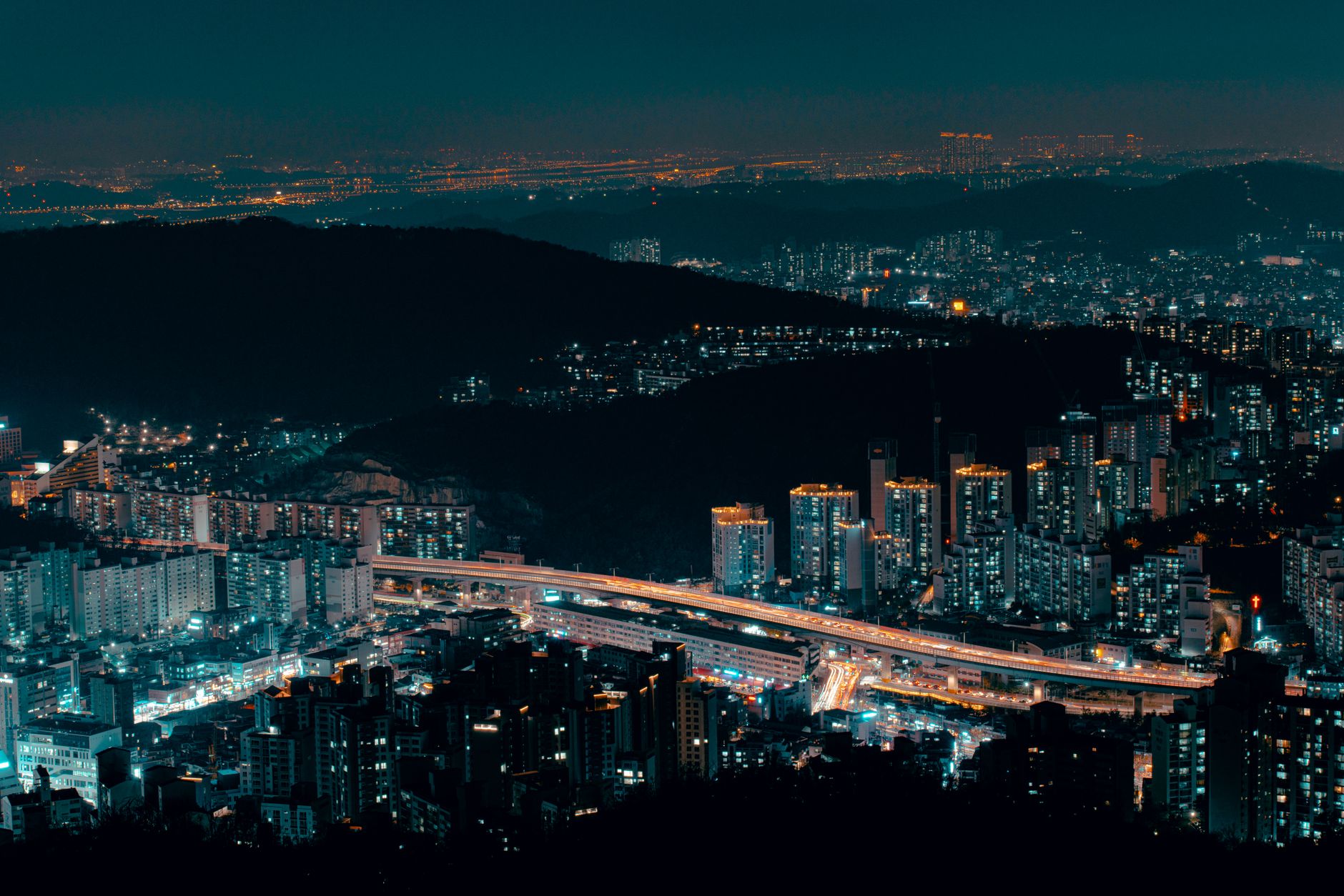
Seoul in Autumn: Golden Hues and Crisp Air
If you ask most Koreans and many seasoned travelers, they’ll tell you that autumn, from September to November, is arguably the best month to visit Korea. And honestly, I’d be hard-pressed to disagree! The weather is simply divine: crisp, clear skies, low humidity, and comfortable temperatures ranging from 15°C to 25°C (59°F to 77°F) in September, gradually cooling down through October and November.
The city transforms into a canvas of reds, oranges, and golds as the leaves change, especially in places like Namsan Park, Bukhansan National Park, and along the ginkgo tree-lined streets of Garosu-gil. This is the ideal time for outdoor activities, hiking, and simply enjoying the breathtaking scenery.
Autumnal Adventures in Seoul
- Fall Foliage Hikes: Bukhansan National Park, right on the edge of the city, offers spectacular views and trails for all levels. Namsan Park and its iconic tower are also stunning.
- Traditional Village Exploration: Wander through Bukchon Hanok Village or Namsangol Hanok Village for a glimpse into Korea’s past amidst beautiful autumn colors.
- Cultural Festivals: Many traditional festivals, like the Seoul Lantern Festival, often take place during the autumn months, celebrating history and art.
- Coffee & Cafe Culture: Enjoy a warm coffee or traditional tea in one of Seoul’s many cozy cafes, particularly in areas like Samcheongdong or Hongdae.
Layering is still important for autumn, but you’ll want warmer options than spring. Think sweaters, light jackets, scarves, and comfortable boots for all the walking and potential hiking.
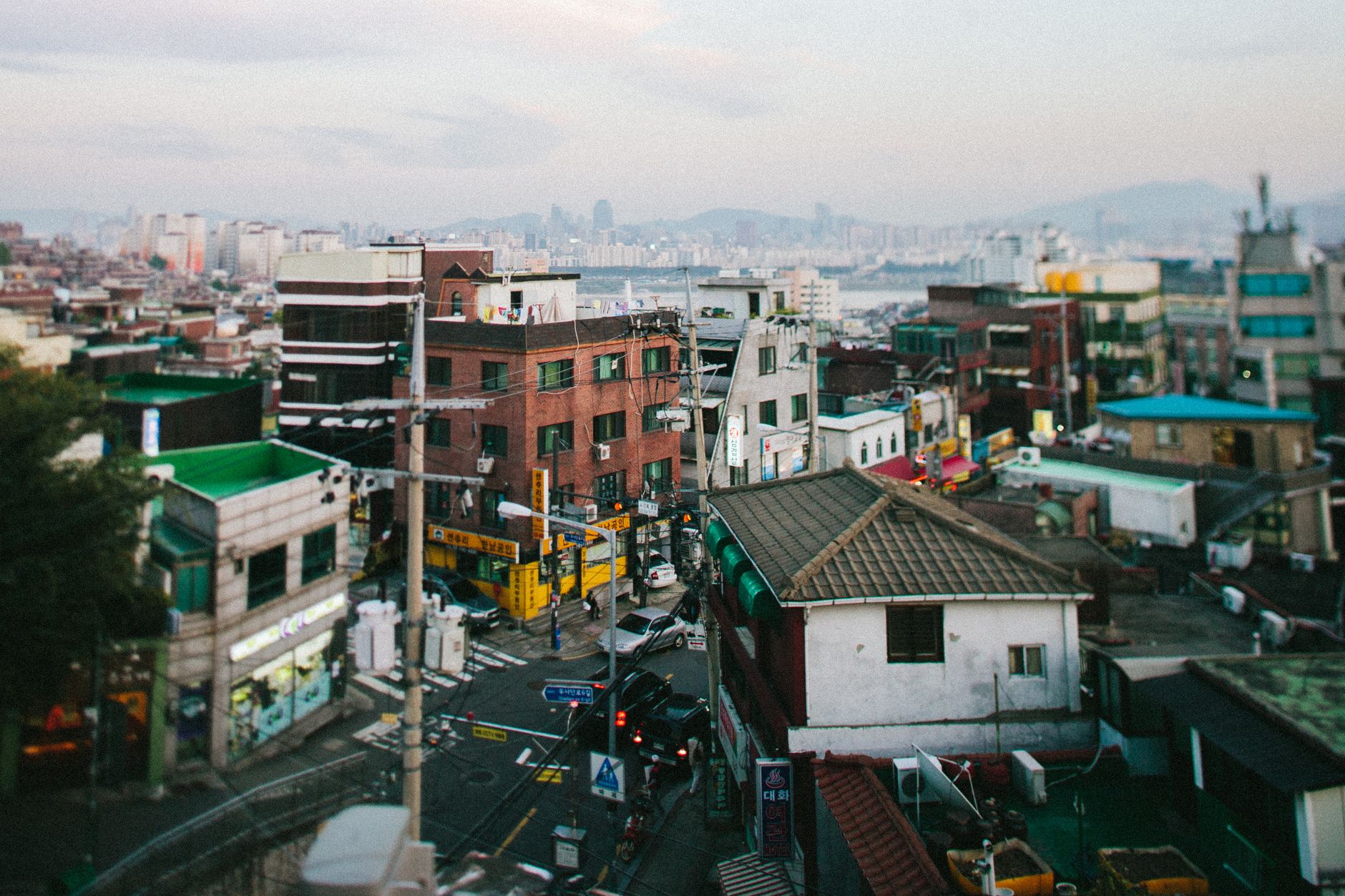
Photo by Dasha Klimova on Pexels
Seoul in Winter: Snowy Serenity and Cozy Warmth
Winter in Seoul, from December to February, is cold – there’s no way around it. Temperatures frequently drop below freezing, often hovering between -5°C and 5°C (23°F to 41°F), and can dip much lower. While it’s generally dry, you can expect some beautiful snowfall, turning the city into a picturesque winter wonderland.
Despite the chill, winter offers a unique charm. The crowds thin out (except around Christmas and Lunar New Year), making it a great time for those who prefer a more serene experience. Plus, there’s nothing quite like warming up with some spicy tteokbokki from a street vendor or relaxing in a jjimjilbang after a day of exploring.
Winter Wonders and Warm Escapes
- Ice Skating: The Seoul Plaza ice rink is a popular spot, and there are often indoor rinks available too.
- Jjimjilbang (Korean Spa): Indulge in a relaxing day at a traditional Korean bathhouse to escape the cold and rejuvenate.
- Skiing & Snowboarding: While not in Seoul itself, many excellent ski resorts like Vivaldi Park or Elysian Gangchon are just a short bus ride away, perfect for a day trip or overnight stay.
- Festive Lights & Markets: Enjoy the beautiful Christmas decorations and seasonal markets that pop up around the city in December.
Bundle up! Think thermal underwear, warm sweaters, a heavy winter coat, gloves, a hat, and waterproof boots. Hot packs (disposable hand warmers) are readily available in convenience stores and will be your best friend.
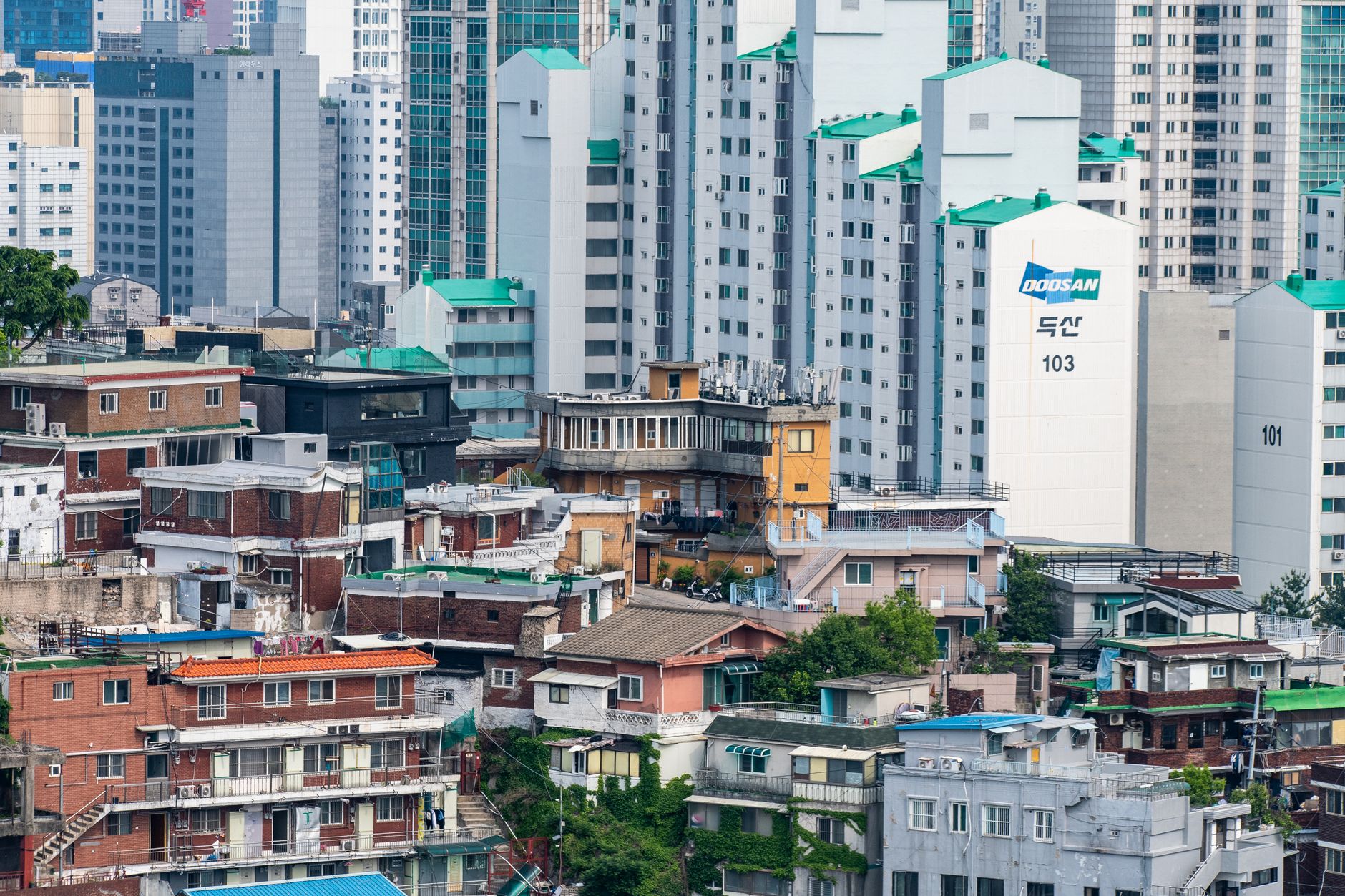
Photo by wal_ 172619 on Pexels
Considering the Crowds: Seoul’s Peak Seasons
When planning your trip, it’s also important to consider Seoul’s peak season. Unsurprisingly, spring (April-May) and autumn (September-October) are the most popular times to visit. Everyone wants to experience the cherry blossoms or the stunning fall foliage, and for good reason! This means you’ll encounter more tourists, longer lines at popular attractions, and generally higher prices for flights and accommodations.
If you’re looking to avoid the biggest crowds and potentially save some money, consider the shoulder seasons or even embracing summer or winter. Early June or late November can offer a good balance of decent weather and fewer people. Keep in mind that major Korean holidays like Chuseok (Korean Thanksgiving, usually in September or October) and Lunar New Year (Seollal, usually in January or February) are also busy travel periods, mostly with domestic travelers, which can affect public transport and business hours.
Making Your Choice: When to Go to Seoul
Ultimately, the ideal time to explore Seoul truly depends on what kind of experience you’re hoping for. Are you a nature lover dreaming of vibrant colors, a foodie eager to try seasonal delights, or a culture enthusiast ready to dive deep into history?
If picturesque scenery and comfortable weather are your top priorities, then late spring or early autumn will be your sweet spot. You’ll be rewarded with stunning natural beauty and perfect conditions for exploring. Just be prepared for company!
However, if you’re on a tighter budget, prefer fewer crowds, or are keen on specific activities like winter sports or enjoying the city’s indoor attractions and vibrant nightlife, then summer or winter could be surprisingly rewarding choices. Each season offers its own unique charm and a different flavor of Seoul.
Final Thoughts
No matter when you decide to visit, Seoul is a city that promises an incredible adventure. From the ancient palaces nestled amongst modern skyscrapers to the bustling street markets and serene temple gardens, there’s always something new to discover. I hope this guide helps you pinpoint the perfect timing for your own unforgettable journey to Korea. Just remember to pack appropriately, stay hydrated, and be ready to fall completely in love with this dynamic city!
Happy travels!