Planning a trip to Seoul? You’re in for an incredible adventure! To make your exploration smooth and stress-free, mastering the public transportation system is key. This guide will walk you through exactly how to buy a T-money card and top it up at Seoul subway stations, ensuring you can navigate the city like a seasoned local from the moment you arrive.
Quick Answer: Your Seoul Transit Essentials
- Buy Anywhere: Grab your T-money card at convenience stores (CU, GS25, 7-Eleven) or subway station vending machines and service centers.
- Cash is King: For initial purchase and all top-ups, plan to use Korean Won (KRW) cash.
- Easy Top-Up: Recharge your card quickly at any subway station’s ticket machine or a convenience store counter.
- Tap On & Off: Always tap your card when entering and exiting subway stations and buses to ensure correct fare calculation and transfer discounts.
- Save Money: Enjoy discounted fares and free transfers between buses and subways within a set time frame.
Heads up: this post contains affiliate links. If you make a purchase through one, I may earn a small commission at no extra cost to you — thanks for supporting the blog!
Getting Your Hands on a T-money Card: Where to Buy
Okay, first things first: you absolutely need a T-money card for getting around Seoul. Think of it as your magic pass to the city’s fantastic public transportation network, covering subways, buses, and even many taxis. While single-use tickets exist, they’re more expensive and much less convenient. Trust me, you don’t want to be fumbling for exact change on a busy bus!
Convenience Stores: Your Most Reliable Bet
From my experience living in Seoul, the easiest and most reliable place to snag a T-money card is at any major convenience store. You’ll spot them everywhere – CU, GS25, 7-Eleven, Emart24. Just walk in, head to the counter, and ask for a “T-money card, juseyo” (티머니 카드 주세요). They’re typically displayed near the register, often with cute K-pop or Line Friends designs, but a basic card works just as well.
The card itself costs a non-refundable fee, usually between ₩3,000 and ₩5,000 (about $2.50-$4 USD), depending on the design. This is just for the physical card; you’ll need to add money to it separately to actually use it for travel. Cashiers are generally very used to helping tourists with this process.
Subway Stations: Another Great Option
You can also buy T-money cards at most subway stations. Look for ticket vending machines or customer service centers near the entry gates. While newer kiosks on Lines 1-8 might support some South Korea-issued cards, for international visitors, cash is almost always required for both purchasing the card and topping it up at these machines.
If you’re arriving at Incheon International Airport (ICN), you’ll find T-money vending machines near the Airport Railroad (AREX) gates, as well as convenience stores right in the arrival halls. It’s a smart idea to pick one up there so you’re ready to go right away.
Topping Up Your T-money Card at Seoul Subway Stations
Once you have your T-money card, keeping it loaded with funds is super easy. You’ll quickly get the hang of it!
Using Subway Station Top-Up Machines
This is probably the most common way to recharge your card, especially when you’re already at a station. Look for the machines labeled with the T-money logo, usually near the turnstiles. They’re typically multilingual, offering English, Japanese, and Chinese options.
Here’s a quick rundown of the steps:
- Select Your Language: Tap the screen and choose your preferred language (e.g., English).
- Place Your Card: You’ll see a designated pad. Place your T-money card flat on it. Your current balance should appear on the screen.
- Choose Top-Up Amount: Select how much money you want to add. You can typically top up in increments of ₩1,000, with a minimum of ₩1,000 and a maximum of ₩90,000 per transaction. The total balance on your card cannot exceed ₩500,000.
- Insert Cash: This is crucial for most international visitors – these machines primarily accept Korean Won (KRW) cash for top-ups. Insert bills into the slot.
- Confirm and Collect: The machine will process the transaction, and your new balance will be displayed. Don’t forget to take your card!
Topping Up at Convenience Stores
If you prefer a human touch or are just grabbing a snack, convenience stores are also excellent for topping up. Just hand your T-money card and the desired cash amount to the cashier. Say “Chungjeon-hae juseyo” (충전해 주세요), which means “Please top up,” or simply show them the amount you want to add. They’ll handle it in seconds.
Is It Easy to Navigate the Seoul Subway System as a Non-Korean Speaker?
This is a question I get a lot, and I’m happy to tell you: yes, it is easy to navigate the Seoul subway system as a non-Korean speaker! Seoul boasts one of the most efficient, clean, and foreigner-friendly public transportation networks in the world.
English Everywhere & Helpful Apps
You’ll find that subway stations are incredibly well-marked with signs in both Korean and English, often with Chinese and Japanese too. Train announcements are typically in multiple languages, so you’ll always know the current and next stops. The lines are also color-coded and numbered, making it simple to follow your route on a map.
For planning your journeys, ditch Google Maps for local apps. Naver Map and KakaoMap are your absolute best friends in Korea. They provide real-time public transportation information, including optimal routes, transfer points, and even which subway car to board for the quickest exit or transfer. Both apps are available in English and are far more accurate for local transit than Google Maps due to local data restrictions.
Don’t Be Afraid to Ask
While most things are clearly laid out, don’t hesitate to ask for help if you’re unsure. Subway staff at information booths are generally very helpful, and many younger Koreans speak some English. A polite “Excuse me” (Jeogiyo, 저기요) and pointing to your destination on a map app can go a long way.
Why a T-money Card is Your Seoul Travel Essential
Beyond just ease of use, the T-money card offers several perks that make it indispensable for any visitor to Seoul.
Seamless Transfers & Discounts
One of the biggest advantages is the integrated fare system. When you transfer between subway lines or from a subway to a bus (or vice-versa) within 30 minutes (or 60 minutes between 9 PM and 7 AM), you get significant transfer discounts, sometimes even making the transfer free. Always remember to tap your card when entering and exiting both buses and subways to ensure these benefits are applied. Forgetting to tap off a bus can lead to extra charges on your next trip!
Beyond Transit: Cashless Convenience
Your T-money card isn’t just for transportation. You can use it like a debit card at many convenience stores, vending machines, and even some smaller shops and cafes. This is super handy for quick purchases, especially when you have a small balance left before heading home. It’s often much easier than dealing with cash or trying to use a foreign credit card, which might not always be accepted.
Cash vs T-money Seoul: The Clear Winner
While you *can* buy single-use tickets with cash for the subway, and some older buses might still accept cash, the T-money card is overwhelmingly the preferred and most practical method. Many buses no longer accept cash fares at all. Plus, each ride with a T-money card is slightly cheaper than a single-use ticket. It truly simplifies your Seoul public transportation experience.
Checking Your T-money Card Balance
Keeping an eye on your T-money card balance is simple, so you’ll never be caught short before a ride.
- Subway Top-Up Machines: As mentioned, when you place your card on the reader at a subway station’s top-up machine, your current balance will display on the screen.
- Convenience Stores: Just hand your card to a cashier at any convenience store and ask them to check the balance (“jan-aek hwan-in, juseyo” 잔액 확인 해주세요). They’ll tell you immediately.
- Smartphone Apps: For Android users, the Mobile T-money app or Toss app can check your balance. iPhone users with iOS 13 or above can use apps like “BukaCheck” (부카체크) which utilizes NFC to read your card’s balance and even transaction history.
Beyond the Subway: Exploring Seoul
Now that you’re a T-money pro, the city is truly your oyster! Seoul has endless experiences waiting, from ancient palaces to vibrant modern districts. One of my absolute favorite things to do is immerse myself in Korean culture by wearing a traditional hanbok. It’s an unforgettable way to explore historic sites like Gyeongbokgung Palace.
For an authentic and memorable experience, I highly recommend checking out the Oneday Hanbok Seoul Gyeongbokgung Hanbok Rental Experience. You can choose from a stunning array of designs and sizes, perfect for capturing those iconic photos against a palace backdrop.
Reserve Your Hanbok Experience →
And speaking of exploring, if you’re looking for a comfortable and convenient place to stay, especially if you want to be well-connected to public transport and close to sights like Dongdaemun Design Plaza, consider the Arirang Hill Hotel Dongdaemun. It offers a great balance of location and amenities, making it easy to hop on the subway and explore. You can check current prices and availability for Arirang Hill Hotel Dongdaemun here.
Check Arirang Hill Hotel Price →
Once you’ve got your hanbok sorted and your hotel booked, you might be wondering about other exciting areas. If you’re keen to dive into the trendy side of Seoul, don’t miss our guide on How to Plan Your Perfect Day Exploring Gangnam.
Essential Seoul Subway Foreigner Tips
To make your Seoul subway experience even smoother, here are a few extra tips I’ve picked up over the years:
| Tip Category | Details for Foreigners |
|---|---|
| Rush Hour Avoidance | Try to avoid the subway during peak times (around 7:30-9:30 AM and 5:30-7:30 PM on weekdays). It can get incredibly crowded! |
| Exit Numbers are Key | Seoul subway stations often have many exits. Always check your map app (Naver or KakaoMap) for the correct exit number closest to your destination to save time walking above ground. |
| Subway Etiquette | Stand on the right side of escalators to allow others to pass on the left. Give up priority seats (pink, yellow, or dark blue) for the elderly, pregnant women, or those with disabilities. Avoid eating or drinking inside the trains. |
| Last Train Times | While most lines run until midnight or 1 AM, some might close earlier, especially those heading away from central Seoul. Always double-check the specific line’s operating hours if you’re out late. |
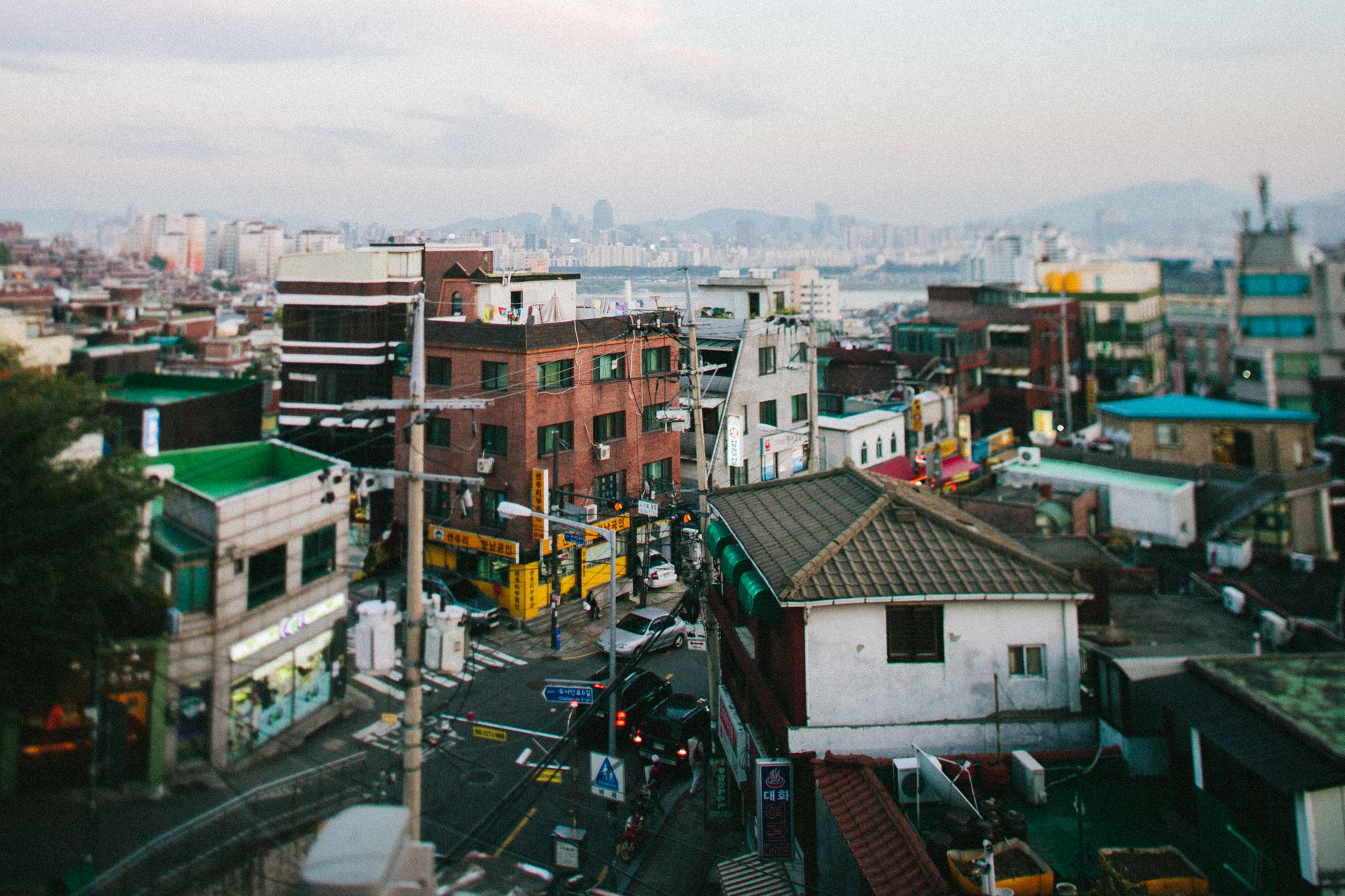
Photo by Dasha Klimova on Pexels
Final Thoughts on Your Seoul Journey
Navigating Seoul’s expansive public transport system is genuinely one of the highlights of visiting this dynamic city. With your trusty T-money card in hand, you’ll find that getting around is not just efficient but also an integral part of the experience. Knowing how to buy a T-money card and top it up at Seoul subway stations empowers you to explore freely, from the bustling markets to the serene temples, without a hitch.
So, grab your T-money, load it up, and get ready to discover all the wonders Seoul has to offer!