Planning a trip to Seoul? Get ready for a culinary adventure! One of the most common questions I get from friends visiting is about budgeting for food. You’ll be delighted to know that enjoying delicious Korean cuisine doesn’t have to break the bank, especially if you know where to look and how to eat like a local. This guide will walk you through a realistic daily budget for food in Seoul for tourists, ensuring you savor every bite without overspending.
Also available: Check Price for Seoul City Tour Bus Downtown Palace Namsan Hop-On Hop-Off Tours →
Here’s a quick overview of what to expect:
- Budget Travelers: Expect to spend around ₩25,000-₩40,000 (approx. $18-$29 USD) per day by focusing on street food and convenience store meals.
- Mid-Range Explorers: A comfortable mix of casual restaurants, cafes, and some street food will typically cost ₩60,000-₩100,000 (approx. $43-$71 USD) daily.
- Luxury Dining: If you plan on indulging in Korean BBQ frequently, fine dining, and trendy cafes, budget ₩100,000+ (approx. $71+ USD) per day.
- Street Food Variety: Explore vibrant markets like Gwangjang and Mangwon for authentic and affordable eats beyond Myeongdong.
- Currency Exchange: Myeongdong typically offers the best exchange rates for foreign currency.
Heads up: this post contains affiliate links. If you make a purchase through one, I may earn a small commission at no extra cost to you — thanks for supporting the blog! And don’t forget you can use code KOBUS-SUMMER for a discount while you’re at it.
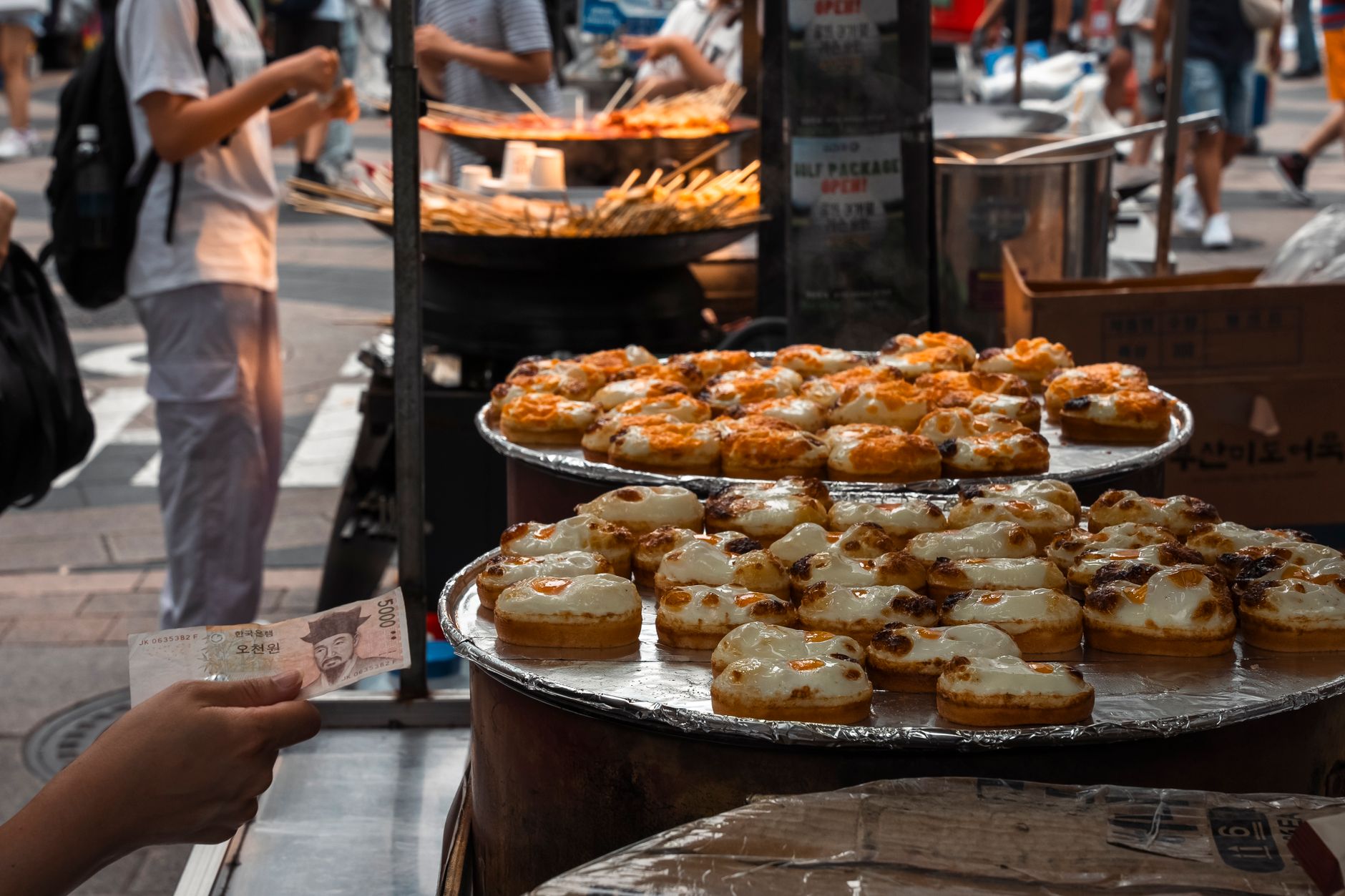
Decoding Your Daily Food Budget in Seoul
Let’s get down to the delicious details! Figuring out what is a realistic daily budget for food in Seoul for tourists really depends on your travel style. Having lived here and explored countless eateries, I can tell you that Seoul offers incredible value across all price points, from humble street stalls to upscale dining experiences. The key is knowing what kind of culinary journey you’re after each day.
The Budget Traveler: Street Food & Convenience Store Savvy
If you’re looking to stretch your won, Seoul is a paradise. You can eat incredibly well on a tight budget by embracing street food and convenience stores. Individual street food items like tteokbokki (spicy rice cakes), odeng (fish cake skewers), and gimbap (seaweed rice rolls) typically range from ₩1,000 to ₩5,000 (about $0.75-$3.75 USD) per piece. I’ve often grazed through a full afternoon of snacks at a market for well under ₩10,000.
Convenience stores (like GS25, CU, 7-Eleven) are your secret weapon for budget eating. You can grab a triangle kimbap and a cup of instant ramen for under ₩5,000, making for a hot and filling meal. They also offer a variety of dosirak (lunchboxes) with rice, meat, and side dishes for ₩3,000-₩6,000. By mixing these options, a budget traveler can comfortably spend around ₩25,000-₩40,000 ($18-$29 USD) per day on food.
The Mid-Range Explorer: Casual Dining & Cafes
Most visitors fall into this category, aiming for a balance of authentic experiences and comfort. Casual restaurant meals, often including rice and multiple banchan (side dishes), typically cost between ₩8,000 and ₩15,000 ($6-$12 USD) per person. Think hearty bowls of bibimbap, kimchi jjigae, or a satisfying pork cutlet set.
Coffee culture is huge in Seoul, and a regular coffee can range from ₩3,500 to 5,000 ($3-$4 USD), with specialty drinks going up to ₩6,000. Adding a pastry from a bakery might be another ₩4,000-₩7,000. With a mix of two restaurant meals, a cafe stop, and some snacks, you’re looking at a daily food budget of ₩60,000-₩100,000 ($43-$71 USD).
The Splurger: Korean BBQ & Fine Dining
If you’re here to indulge, Seoul has plenty to offer. Korean BBQ is a must-try, and prices can vary. A neighborhood pork grill might start around ₩15,000 ($11 USD) per person, but mid-range cuts or all-you-can-eat options can easily go up to ₩35,000+ ($25+ USD) per person, especially with drinks like soju and beer. Fine dining experiences or Michelin-starred restaurants will set you back ₩50,000-₩150,000+ ($38-$107+ USD) per person.
For those special evenings or daily splurges, factor in a budget of ₩100,000 ($71 USD) or more per day. Remember that meat, especially beef, can be expensive in Korea, so Korean BBQ can quickly add up.
Here’s a quick summary of average meal costs in Seoul:
| Meal Type | Average Cost (KRW) | Average Cost (USD) |
|---|---|---|
| Street Food Item | ₩1,000 – ₩5,000 | $0.75 – $3.75 |
| Convenience Store Meal | ₩3,000 – ₩6,000 | $2 – $5 |
| Casual Restaurant Meal | ₩8,000 – ₩15,000 | $6 – $12 |
| Korean BBQ (per person) | ₩15,000 – ₩35,000+ | $11 – $27+ |
| Coffee/Bakery Item | ₩3,500 – ₩7,000 | $3 – $5 |
Don’t forget about grocery shopping for tourists if you have access to a kitchen! While some fruits can be surprisingly pricey, local markets and larger supermarkets like E-Mart or Lotte Mart offer more affordable produce and staples than convenience stores.
Also available: Check Current Price & Availability for Seoul City Tour Bus Downtown Palace Namsan Hop-On Hop-Off Tours →
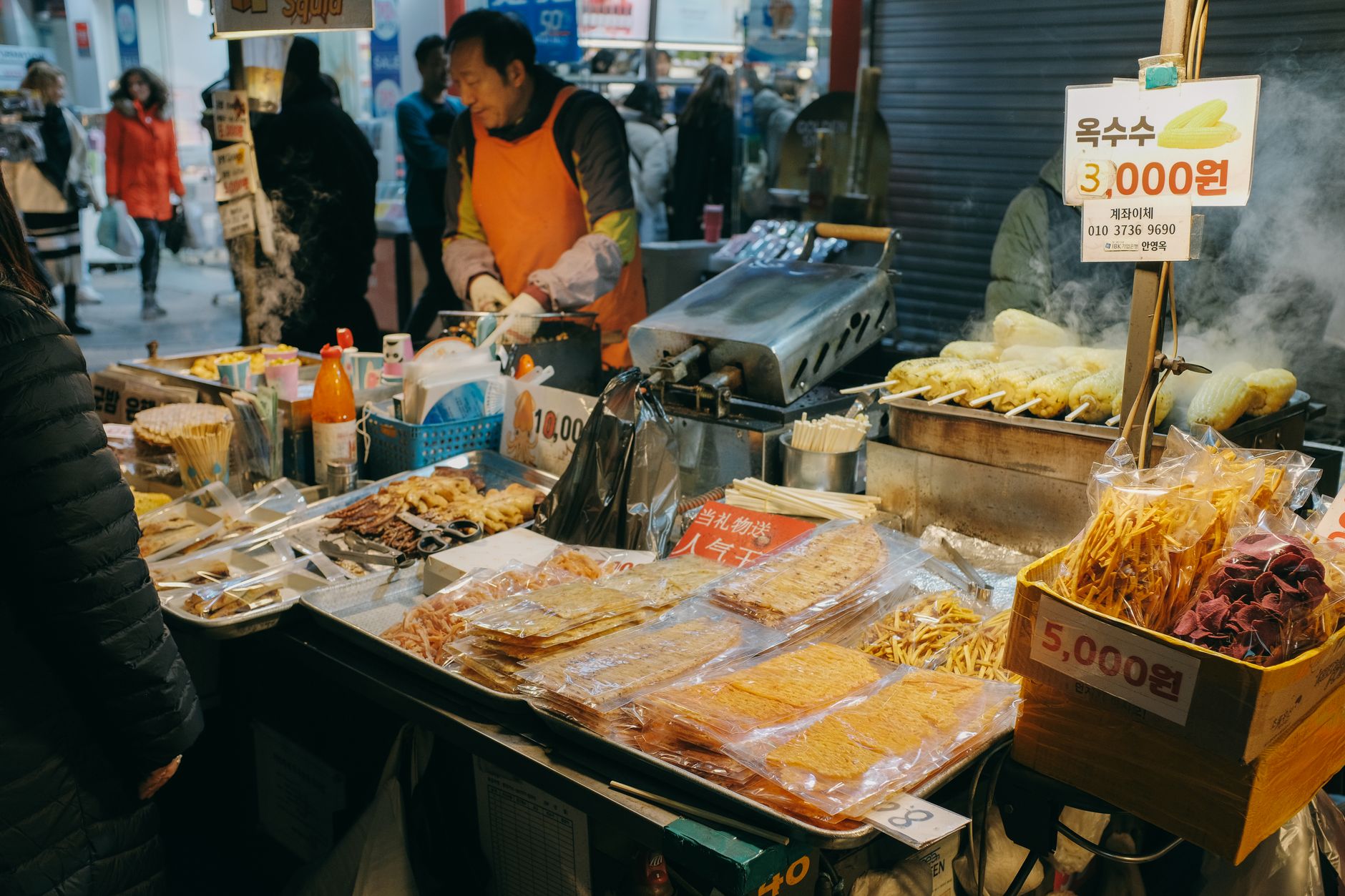
Beyond Myeongdong: Discovering Seoul’s Best Street Food Spots
Myeongdong is famous for its vibrant street food scene, especially at night, but it’s also a major tourist hub, which often means higher prices. If you’re wondering what are the best areas for street food in Seoul besides Myeongdong, you’re in for a treat! Seoul boasts several fantastic markets and neighborhoods where you can find more authentic flavors and often better value. I always recommend venturing out to experience the local culinary landscape.
Gwangjang Market: A Timeless Culinary Hub
Gwangjang Market is a personal favorite and often tops the list for authentic Korean street food. It’s Seoul’s oldest covered market, and locals still flock here daily, which tells you everything you need to know about its authenticity. You’ll find a dizzying array of dishes, from bindaetteok (mung bean pancakes) and mayak gimbap (addictive mini gimbap) to kalguksu (hand-cut noodles) and mandu (dumplings). The atmosphere is buzzing, and many stalls have been family-run for generations. Remember to bring cash, as many traditional market vendors prefer it.
Mangwon Market: Local Flavors and Hidden Gems
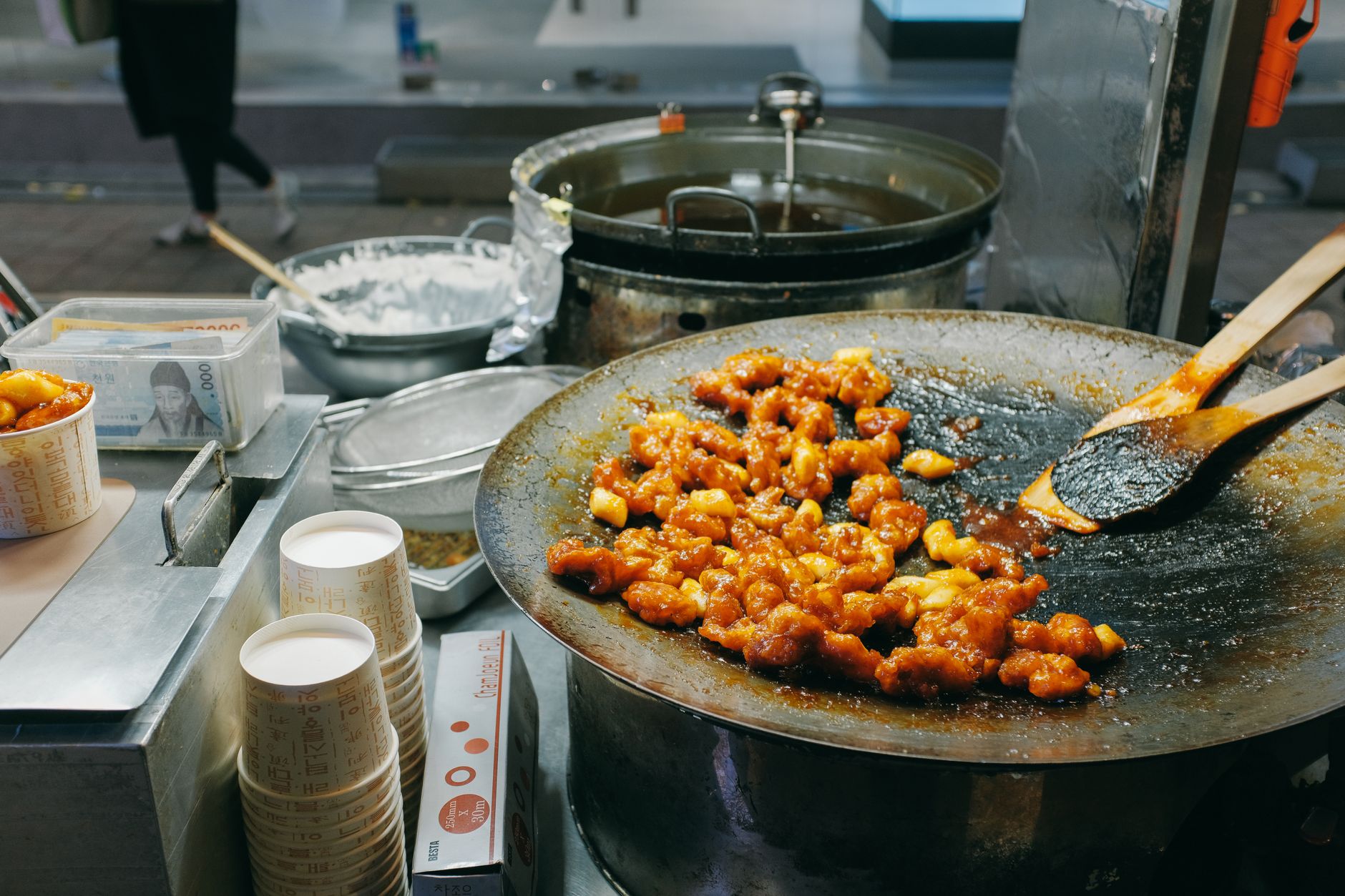
For a less touristy and often cheaper experience, head to Mangwon Market near Hongdae. This market is known for its local vibe and excellent prices. You can find delicious street food items like hotteok (sweet pancakes), dakgangjeong (sweet crispy fried chicken), and even unique tonkatsu variations. It’s a fantastic spot to immerse yourself in everyday Korean life while enjoying some truly tasty and affordable eats.
Hongdae & University Areas: Youthful & Affordable Eats
The areas around Seoul’s universities, like Hongdae, Sinchon, and Hyehwa, are always great for budget-friendly meals. These neighborhoods cater to students, meaning you’ll find plenty of casual diners and street stalls offering filling meals for under ₩10,000. While Hongdae can be busy, its street food stands offer modern and classic options, perfect for an evening stroll.
A few pro tips for navigating Seoul’s street food scene: many vendors are cash-friendly, so having ₩30,000-₩50,000 in small bills is always a good idea. Don’t be afraid of long lines – they usually signal quality and are worth the wait. Also, if you’re eating tteokbokki, accept the free eomuk (fish cake) broth often offered alongside it; it’s a warm, savory complement to the spicy dish.
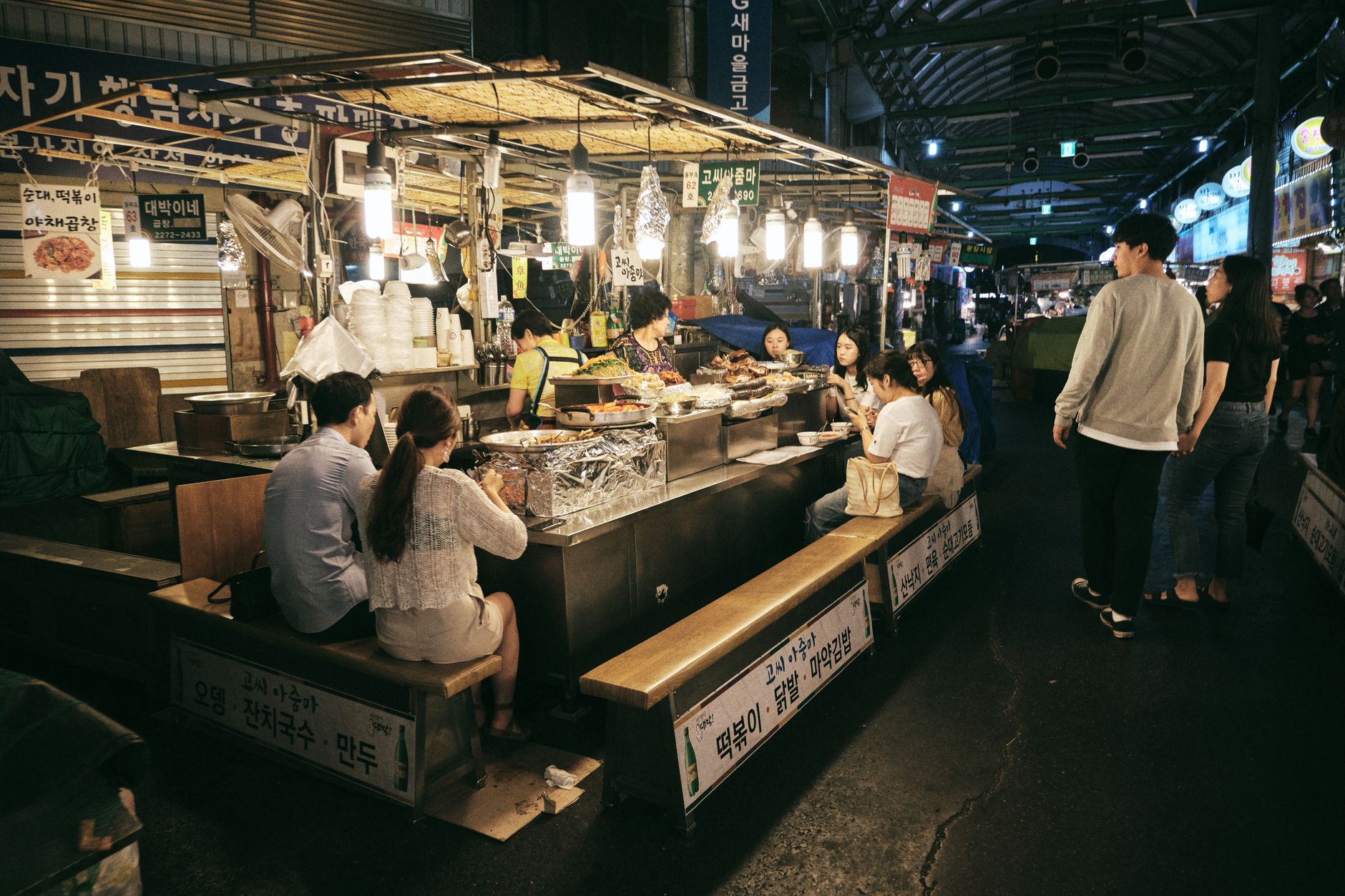
Planning Your Solo Adventure: How Much Does a 5-Day Solo Trip to Seoul Typically Cost?
Embarking on a solo trip to Seoul is an incredible experience, offering freedom and flexibility to explore at your own pace. While food is a significant part of the budget, many travelers also want to know how much does a 5-day solo trip to Seoul typically cost overall. From my own experiences living in and traveling around Seoul, I can tell you it’s entirely manageable, whether you’re on a shoestring budget or looking for a bit more comfort.
Excluding international flights, a budget traveler might spend around $40-$70 USD per day. This would cover hostel accommodation ($20-$40), food ($10-$20), transport ($2-$5), and attractions ($5-$10). For a mid-range solo traveler, a daily budget of $100-$200 USD is more realistic, covering a 3-star hotel or boutique stay ($60-$120), a mix of restaurant and street food ($20-$40), transport ($5-$10, including occasional taxis), and activities ($10-$30 for museums or day trips).
Therefore, for a 5-day solo trip to Seoul, you could expect total costs (excluding flights) to range from roughly $200 for a very budget-conscious trip to $1000 for a comfortable mid-range experience. Many travelers find that Seoul offers excellent value, especially compared to other major global cities. Planning ahead and utilizing public transport like the efficient subway system with a T-money card can significantly cut down on expenses.
If you’re planning a trip with a companion and want a more detailed breakdown, check out my other post on Seoul for Two: Realistic 7-Day Budget Breakdown.
For those seeking comfortable accommodation during their solo adventure, consider the Seoul Garden Hotel. It’s a well-regarded option that offers excellent service and amenities, providing a relaxing retreat after a day of exploring the city. Its convenient location makes it easy to access many of Seoul’s attractions and dining spots.
Also available: Check This Hotel’s Price →
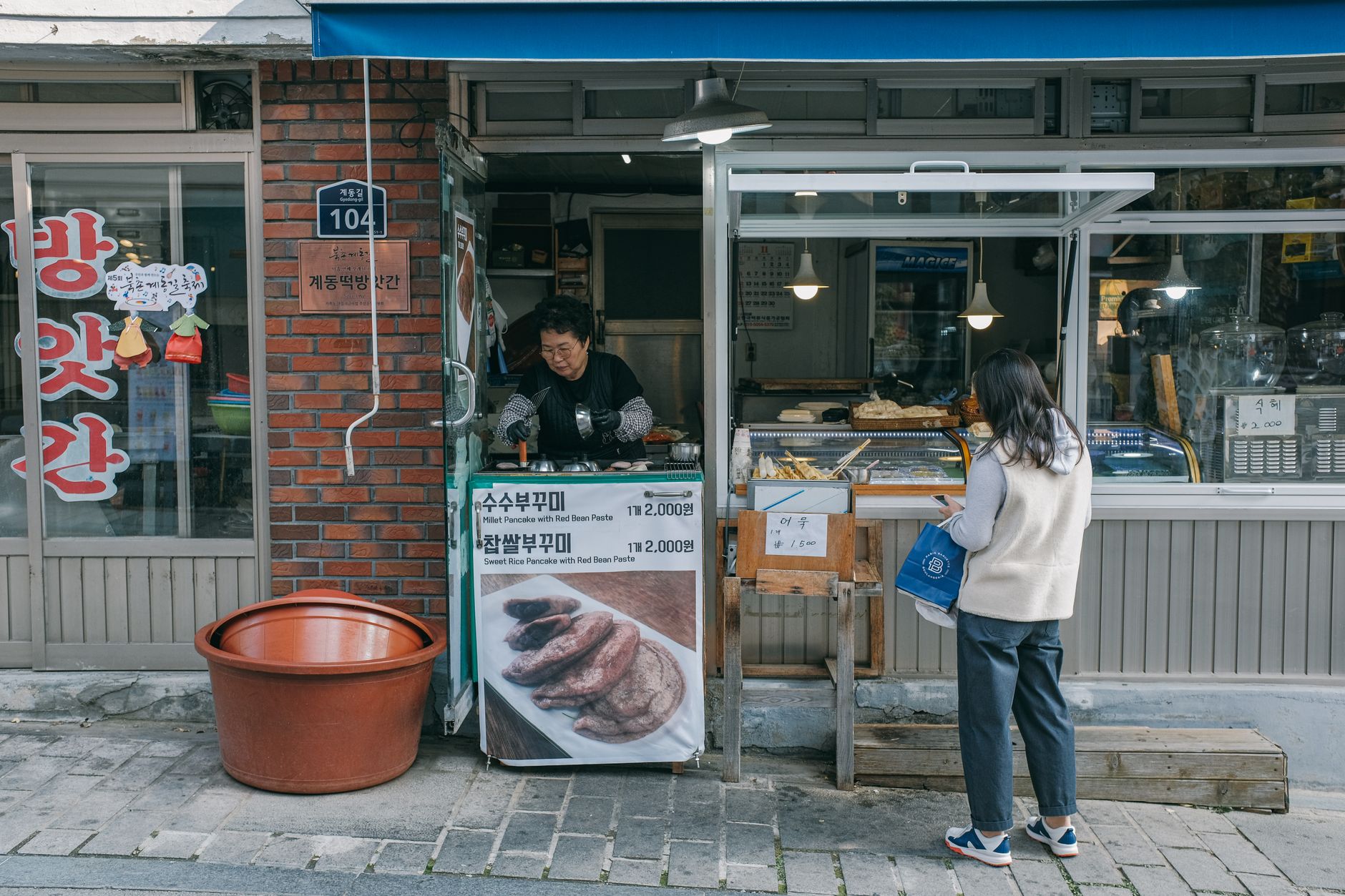
Smart Money Moves: Where Can I Exchange Currency in Seoul with Good Rates?
Getting the most bang for your buck starts with smart currency exchange. It’s a question I get asked a lot: where can I exchange currency in Seoul with good rates? While it might seem convenient to exchange money at the airport, you’ll almost always get a better rate by waiting until you’re in the city. Based on my experience and what I’ve consistently heard from fellow travelers, there’s a clear winner.
Myeongdong: The Gold Standard for Exchange
Without a doubt, Myeongdong is renowned for offering the best currency exchange rates in Seoul. You’ll find numerous small, independent exchange booths clustered in the area, particularly near the Chinese Embassy. These booths are highly competitive, which works in your favor. I always head straight there when I need to convert my foreign currency into Korean Won.
A few insider tips for Myeongdong: bring large, clean bills (e.g., $100 USD notes) as they often fetch a slightly better rate than smaller denominations. Also, inspect your bills for tears or heavy wear, as some places might reject them or offer a worse rate. Popular spots include Daesagwan Currency Exchange and Daesin Currency Exchange, which are right next to each other and usually offer very similar, excellent rates.
Alternatives: Moneybox & ATMs
If Myeongdong isn’t on your itinerary, or you need cash outside of business hours, there are other options. Moneybox is a network of currency exchange services with several branches across Seoul, including Hongdae, Gangnam, and Seoul Station, often offering good rates. Additionally, WOW Exchange kiosks are automated machines found in convenience stores, hotels, and subway stations, providing a convenient backup, though their rates might be slightly less favorable than the top Myeongdong booths.
When using ATMs, always choose to be charged in Korean Won (KRW) rather than your home currency. This allows your bank to handle the conversion, typically at a better rate, and avoids dynamic currency conversion fees. While airport exchange counters and major banks are available, they generally offer less competitive rates, so use them only if absolutely necessary.
My Top Tips for Budget Eating in Seoul
After years of navigating Seoul’s food scene, I’ve picked up a few tricks to eat like royalty without spending a fortune. These tips go hand-in-hand with making a realistic daily budget for your food in Seoul:
- Eat Like a Local: This is my golden rule! Korean food is almost always significantly cheaper and more delicious than Western food in Seoul. Embrace the local flavors, and your wallet will thank you.
- Utilize Lunch Specials: Many restaurants offer fantastic lunch sets at a fraction of their dinner prices. Keep an eye out for “점심 특선” (jeomsim teukseon) signs.
- Explore Traditional Markets for Groceries: If your accommodation has a kitchen, hit up traditional markets for fresh produce. While some imported fruits can be expensive, local seasonal fruits and vegetables are more affordable here than in large supermarkets.
- Master the Convenience Store Meal: Don’t underestimate the power of a well-assembled convenience store meal. Triangle kimbap, instant ramen, and even freshly brewed coffee are budget-friendly and surprisingly satisfying. You can even find self-serve ramen stations at some stores near the Han River for a unique experience.
- Be Smart About Coffee: Coffee can add up. Opt for an Americano, which is generally cheaper than other coffee drinks. Look for local cafes or chains like Paik’s Coffee for better prices than international franchises. Many cafes also have stamp cards for free drinks after a certain number of purchases.
- Enjoy Free Banchan: Most Korean restaurants offer complimentary banchan (side dishes) with your meal, and refills are often free. This is a fantastic way to add variety and value to your dining experience.
Exploring Seoul Beyond the Plate
While food is undoubtedly a highlight of any trip to Seoul, the city offers so much more to see and do. Integrating your food budget with your overall sightseeing plan is essential for a well-rounded trip. One of my favorite ways to get acquainted with the city’s vastness and easily hop between major attractions is by taking advantage of the Seoul City Tour Bus Downtown Palace Namsan Hop-On Hop-Off Tours. It’s a convenient and cost-effective way to cover a lot of ground, allowing you to save your energy (and your feet!) for exploring markets and hidden foodie alleys.
Seoul is a city that truly caters to all budgets, especially when it comes to its incredible food scene. From savoring spicy tteokbokki at a bustling market to enjoying a cozy meal in a local diner, you can have a truly authentic and delicious experience without overspending. By keeping these tips in mind and being mindful of your choices, you’ll find that a realistic daily budget for food in Seoul for tourists is not only achievable but also incredibly rewarding. Happy eating!