Navigating life in a new country is always an adventure, and setting up your finances is often one of the first big hurdles. If you’re planning an extended stay in South Korea, whether for work, study, or just a long-term cultural immersion, getting a local bank account is usually high on the priority list. But what if you haven’t received your Alien Registration Card (ARC) yet, or your visa situation means you won’t be getting one? Don’t sweat it, because today we’re diving deep into the question of how to open a Korean bank account without an ARC card, sharing insider tips from my own experience living and banking in Seoul.
You’ll walk away from this post with a clear understanding of the documents you’ll need, which banks are most accommodating, and exactly what to expect when you step into a Korean bank branch. Consider this your friendly guide to getting your finances sorted, even when the system seems a little opaque!
Quick Answer: Your Key Takeaways
- While challenging, it’s often possible to open a limited bank account with just a passport and valid long-term visa before your ARC arrives.
- KEB Hana Bank is generally considered the most foreigner-friendly, but Woori and Shinhan are also options.
- You’ll absolutely need your passport and visa, plus strong proof of address (rental contract, utility bill, employer letter).
- Expect initial transaction limits; full banking services usually require your ARC later.
- Patience, preparation, and visiting larger branches in expat-heavy areas are key to success.
Quick disclaimer: I’m not a dermatologist or licensed medical professional — I’m just sharing what’s worked for me and what I’ve researched. If you’re dealing with a persistent, painful, or worsening skin/health issue, please see a board-certified dermatologist or doctor instead of relying on a blog post.
Heads up: this post contains affiliate links. If you make a purchase through one, I may earn a small commission at no extra cost to you — thanks for supporting the blog!
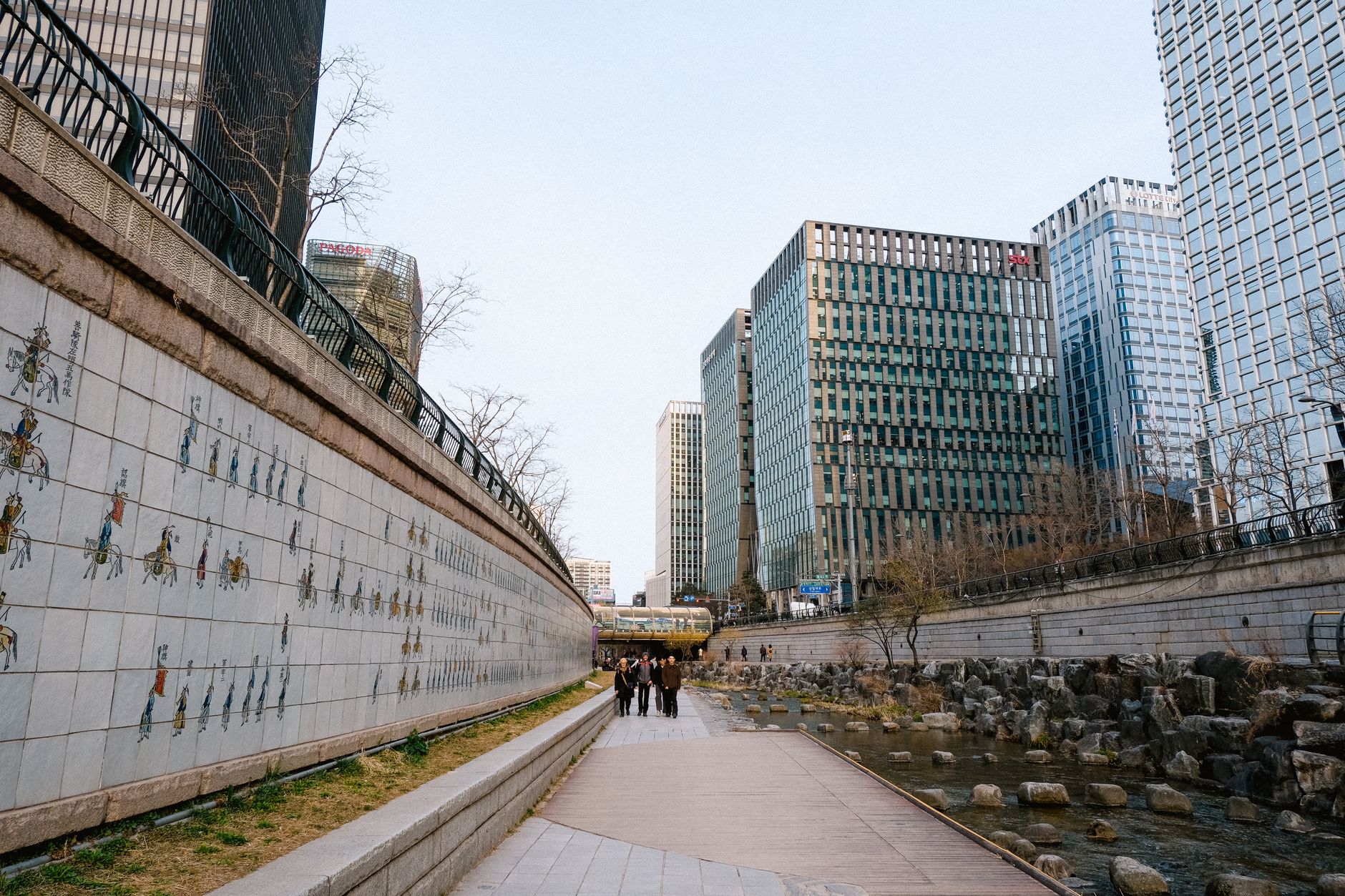
Photo by Ayyeee Ayyeee on Pexels
The Lowdown: Can You Really Open a Korean Bank Account Without an ARC?
Okay, let’s address the elephant in the room right away. When you first arrive in Korea, especially if you’re here for an extended period, everyone tells you that your Alien Registration Card (ARC) is your golden ticket for pretty much everything – including banking. And generally, they’re right! The ARC serves as your primary form of identification as a long-term foreign resident, making most administrative tasks incredibly straightforward once you have it in hand.
However, what if you’re in that awkward in-between phase? You’ve landed, you’ve got your visa, but your ARC application is still processing, and it could take weeks, sometimes even a month or more, to arrive. Or perhaps you’re on a specific visa that doesn’t issue an ARC, but you still need a local account for salary deposits, bill payments, or just managing daily expenses without racking up international transaction fees. This is where the quest to open a Korean bank account without an ARC card truly begins, and I’m here to tell you: it’s often possible, but with some caveats.
Why the ARC is Usually King (But Not Always!)
From the bank’s perspective, the ARC provides a stable, government-issued ID that confirms your legal residency and contact information. It minimizes their risk and streamlines their compliance processes. Without it, you’re essentially a temporary visitor in their system, even if your visa grants you longer-term stay. This is why many banks default to requiring it for a full-service account.
But here’s the good news: Korean banks, particularly those with a strong international presence, understand that life doesn’t stop while you wait for your card. Many have provisions for opening a “limited” or “basic” account for foreigners who are legally residing in Korea on a long-term visa but haven’t yet received their ARC. These accounts typically allow for deposits, withdrawals, and domestic transfers, but might have restrictions on daily transaction limits or international remittances until your full identification is presented.
Who Might Need a Bank Account Without an ARC?
This situation usually applies to a few groups of people. First, new arrivals on visas like E-2 (English teachers), D-2 (students), or D-4 (language students) who need an account for their initial salary or living expenses but are still waiting for their ARC to be issued. Second, individuals on certain short-term business visas or other specialized statuses who might not qualify for an ARC but still require local banking facilities for specific purposes. Tourists, unfortunately, will find it exceedingly difficult, if not impossible, to open any kind of bank account in Korea beyond basic currency exchange.

Photo by Ethan Brooke on Pexels
Documents You Might Need Beyond Your Passport
If you’re embarking on this mission to get a foreigner bank account in Korea without your ARC, your passport is just the starting point. You’ll need to gather an arsenal of supporting documents to prove your identity, your legal right to be in Korea, and crucially, your address. Think of it like building a compelling case for the bank – the more evidence you have, the better your chances. This is where those expat banking requirements get a little more nuanced.
Proof of Address: Your New Best Friend
This is often the trickiest part. Banks need to know you have a stable local address. They’re not just being nosy; it’s a regulatory requirement. While an ARC usually takes care of this, without it, you’ll need alternatives. Here’s what I’ve seen work:
- Rental Contract (Lease Agreement): If you have a formal lease for your apartment or officetel, bring the original. Ensure your name is clearly on it.
- Utility Bill: An electricity, gas, or landline phone bill in your name, showing your Korean address, is excellent proof. This can be tough if you’ve just moved in, as the first bill might take time to arrive.
- Letter from Employer/University: A formal letter on company or university letterhead, stating your employment or enrollment, and importantly, confirming your residential address in Korea, can be a lifesaver. Make sure it’s signed and stamped.
- Certificate of Alien Registration (): If you’ve applied for your ARC but haven’t received the physical card, you might be able to get this certificate from your local immigration office. It proves your application is in process and can sometimes act as a temporary stand-in. This is a solid alien registration card alternative if available.
Always bring the originals, and if they’re not in Korean or English, consider getting them officially translated and notarized, though this is less common for standard documents like leases or employer letters.
Visa Status: It Matters More Than You Think
Your visa isn’t just a stamp in your passport; it’s your legal permission to be in Korea for a specific purpose and duration. For opening an account without an ARC, banks will scrutinize your visa type closely. A long-term visa (like D-2, D-4, E-series, F-series) is almost always required. They want to see that you have a legitimate reason for a prolonged stay in the country. A standard tourist visa (B-2) typically won’t cut it, as it implies a short, transient visit.
Other Handy Documents to Bring
Beyond the essentials, having these on hand can strengthen your case:
- Employment Contract or Letter of Enrollment: Further solidifies your purpose for being in Korea.
- Korean Phone Number: Many banks require a local contact number for verification and mobile banking. Try to get a prepaid SIM card if you don’t have a post-paid plan yet.
- Cash Deposit: Sometimes, having a small initial deposit (e.g., ₩10,000-₩50,000) ready can smooth the process, showing you’re serious about opening an account.
Which Korean Financial Institutions Are More Foreigner-Friendly?
When it comes to navigating Korean financial institutions as an expat, especially without an ARC, some banks definitely stand out. While most major banks have English-speaking services, their policies regarding non-ARC accounts can vary. Based on my own experiences and what I’ve heard from countless other expats, here’s the lowdown on where to start your search for a foreigner bank account Korea.
KEB Hana Bank: Often the Go-To
If you ask any expat in Korea which bank is the most foreigner-friendly, KEB Hana Bank will almost always be the first answer. They have a long history of catering to international residents, often boast more English-speaking staff, and seem to have more streamlined processes for those without an ARC. I’ve personally found their staff to be incredibly patient and helpful, even with complex requests. They often have dedicated international desks in larger branches, which can make a huge difference.
When I first arrived in Seoul, before my ARC was ready, KEB Hana was the bank that made it happen for me. I went to a branch in a more international area like Hongdae, presented my passport, visa, and a letter from my employer confirming my address, and after a bit of paperwork, I walked out with an account. It was a limited account at first, but it allowed me to receive my salary and pay my rent, which was all I needed at that stage. Once my ARC arrived, upgrading to a full-service account was a breeze.
Woori Bank & Shinhan Bank: Other Strong Contenders
While KEB Hana often takes the top spot, Woori Bank and Shinhan Bank are also excellent choices and widely used by expats. Both have strong international divisions and offer services in English. They might have slightly stricter requirements than KEB Hana when it comes to opening an account without an ARC, but they are definitely worth trying, especially if a branch is more convenient for you. It often comes down to the specific branch and even the individual teller you encounter, so don’t be discouraged if one branch says no – another might say yes!

Photo by Marius Mann on Pexels
What to Expect from a “Limited” Account
As I mentioned, without an ARC, you’ll likely start with a “limited” account. This isn’t a bad thing; it just means there are some initial restrictions. Typically, you might face daily withdrawal or transfer limits (e.g., 1 million KRW per day). International transfers might be restricted or require additional documentation at the branch each time. Online banking and mobile app functionality could also be limited until your ARC is registered. The key is that it gets your foot in the door, allowing you to manage essential finances until you can upgrade to a full account.
Step-by-Step: Navigating the Bank Branch (My Personal Tips!)
Walking into a Korean bank branch for the first time can feel a little intimidating, especially if you’re not fluent in Korean and you’re trying to do something unconventional like opening an account without your ARC. But with a bit of preparation and the right mindset, you can absolutely succeed. Here’s my step-by-step guide based on my own trial-and-error.
Before You Go: Preparation is Key
First and foremost, over-prepare with your documents. Print everything. Bring originals and copies. Organize them neatly. This shows you’re serious and organized, which Korean institutions appreciate. Write down your full Korean address, your phone number, and perhaps even a brief explanation of your situation in simple English (or even a few key Korean phrases if you know them) that you can show to the teller.
Secondly, choose your branch wisely. As I mentioned, larger branches in expat-heavy areas like Hongdae, Itaewon, or Gangnam are your best bet. They are more accustomed to dealing with foreigners and are more likely to have English-speaking staff. Avoid smaller, local branches in residential areas if possible, as they might have less experience with international clients. Try to go during off-peak hours (mid-morning on a weekday) to avoid long waits and allow the staff more time to assist you.
At the Bank: Don’t Be Afraid to Ask
When you enter, look for the information desk or a staff member who can direct you. Clearly state your intention: “I would like to open a bank account” ( – jeoneun eunhaeng gyejwaleul gaeseolhago sipseupnida). If you need English assistance, ask “Do you have anyone who speaks English?” ( ? – yeong-eo hal su itneun jigwon itnayo?). Be polite, be patient, and be persistent.
Explain your situation honestly: you have a long-term visa but are awaiting your ARC. Present all your documents clearly. They might ask many questions, and it might take longer than you expect. This is normal. Just keep a positive attitude. You might even find yourself needing a comfortable place to crash after a long day of adulting in Seoul.
If you’re looking for a convenient and stylish place to stay in one of Seoul’s most vibrant neighborhoods, I highly recommend DWT Stay Hongdae. It’s perfectly situated to explore the city and offers a fantastic base for your adventures, whether you’re dealing with banking or enjoying the local culture.
Also available: Check Current Price & Availability for DWT Stay Hongdae →
Potential Roadblocks and How to Handle Them
It’s possible you might be told “no” at first. Don’t despair! Policies can vary, and sometimes it’s just a matter of finding a different branch or a different staff member who is more familiar with expat cases. If one bank or branch denies you, politely thank them and try another. Keep KEB Hana as your first choice, but don’t hesitate to try Woori or Shinhan if KEB Hana doesn’t work out immediately. Explain that you are a long-term resident on a specific visa and need to receive your salary or manage living expenses, emphasizing your intent to get an ARC soon (if applicable).

Photo by Ethan Brooke on Pexels
Living the Expat Life in Seoul: More Than Just Banking
Once you’ve successfully opened your bank account, whether it’s a limited one or a full-service account with your shiny new ARC, you’ve conquered a significant administrative hurdle. This frees you up to focus on all the other amazing aspects of living in Seoul. From exploring vibrant neighborhoods like Hongdae (where DWT Stay Hongdae is located, coincidentally!) to mastering the public transport system, there’s so much to learn and experience.
Getting Settled: Beyond Financials
Beyond your financial setup, there are countless other things to navigate as an expat. You’ll need to figure out everything from setting up your internet and phone to understanding the local customs and etiquette. One area that often catches newcomers off guard is waste disposal. Korea has a very specific and strict system, and getting it wrong can lead to fines!
Speaking of which, if you want to avoid some common pitfalls and keep your new Korean home sparkling (and fine-free), you absolutely need to check out my guide on Don’t Get Fined! Korean Food Waste Disposal Guide. It’s a must-read for anyone settling into life here.
Embracing the expat life means being adaptable and resourceful. Every challenge, like opening a bank account without an ARC, is just another step in becoming a true Seoul insider. You’ll learn the ropes, make new friends, and before you know it, you’ll be giving advice to new arrivals yourself.

Photo by Ayyeee Ayyeee on Pexels
Final Thoughts: Patience and Persistence Pay Off
So, can you open a Korean bank account without an ARC card? The answer is a resounding “it depends, but often yes, with effort.” It’s not as straightforward as it is with an ARC, but it’s far from impossible for those on long-term visas. The key takeaways are preparation, choosing the right bank (KEB Hana is your best bet), arming yourself with all possible proof of address and legal stay, and approaching the process with a good dose of patience.
Remember, every expat journey has its administrative quirks. Don’t let this one discourage you from enjoying all that Korea has to offer. With these tips in hand, you’re well-equipped to tackle the banking challenge and move on to the more exciting parts of your Korean adventure. Good luck, and happy banking!