Annyeonghaseyo, fellow travelers! If you’re anything like me, the moment your plane touches down in South Korea, your mind immediately races to one thing: how quickly can I get online? Staying connected is absolutely essential for navigating Seoul’s bustling streets, translating menus, finding the coolest cafes, and, of course, sharing all your amazing K-adventure moments with friends and family back home. This guide is your personal roadmap to understanding how to purchase a SIM card at Incheon Airport upon arrival, ensuring you hit the ground running with seamless connectivity.
Trust me, I’ve been there – juggling luggage, battling jet lag, and just wanting to find my way to that delicious Korean BBQ without getting lost. Having your phone ready to go from the get-go makes all the difference, transforming potential travel woes into smooth sailing. So, let’s dive into making your Incheon Airport connectivity a breeze!
Quick Answer: Key Takeaways for Airport Connectivity
- You can easily purchase physical SIM cards or pick up pre-ordered ones from major carrier booths (SK Telecom, KT, LG U+) located in the arrivals halls of both Terminal 1 and Terminal 2 at Incheon Airport.
- Some carrier booths, particularly KT and SK Telecom, offer 24-hour service for pickup and purchase, while others might have more limited activation hours.
- eSIMs are a fantastic, hassle-free alternative, allowing you to activate your mobile data plan instantly upon arrival without needing a physical card swap.
- You’ll need your passport for verification when purchasing or picking up any SIM card in Korea.
- Data plans for tourists typically offer unlimited data, often with a daily high-speed allowance before throttling, and can be tailored for various durations, including popular 2-week trips.
Heads up: this post contains affiliate links. If you make a purchase through one, I may earn a small commission at no extra cost to you — thanks for supporting the blog!
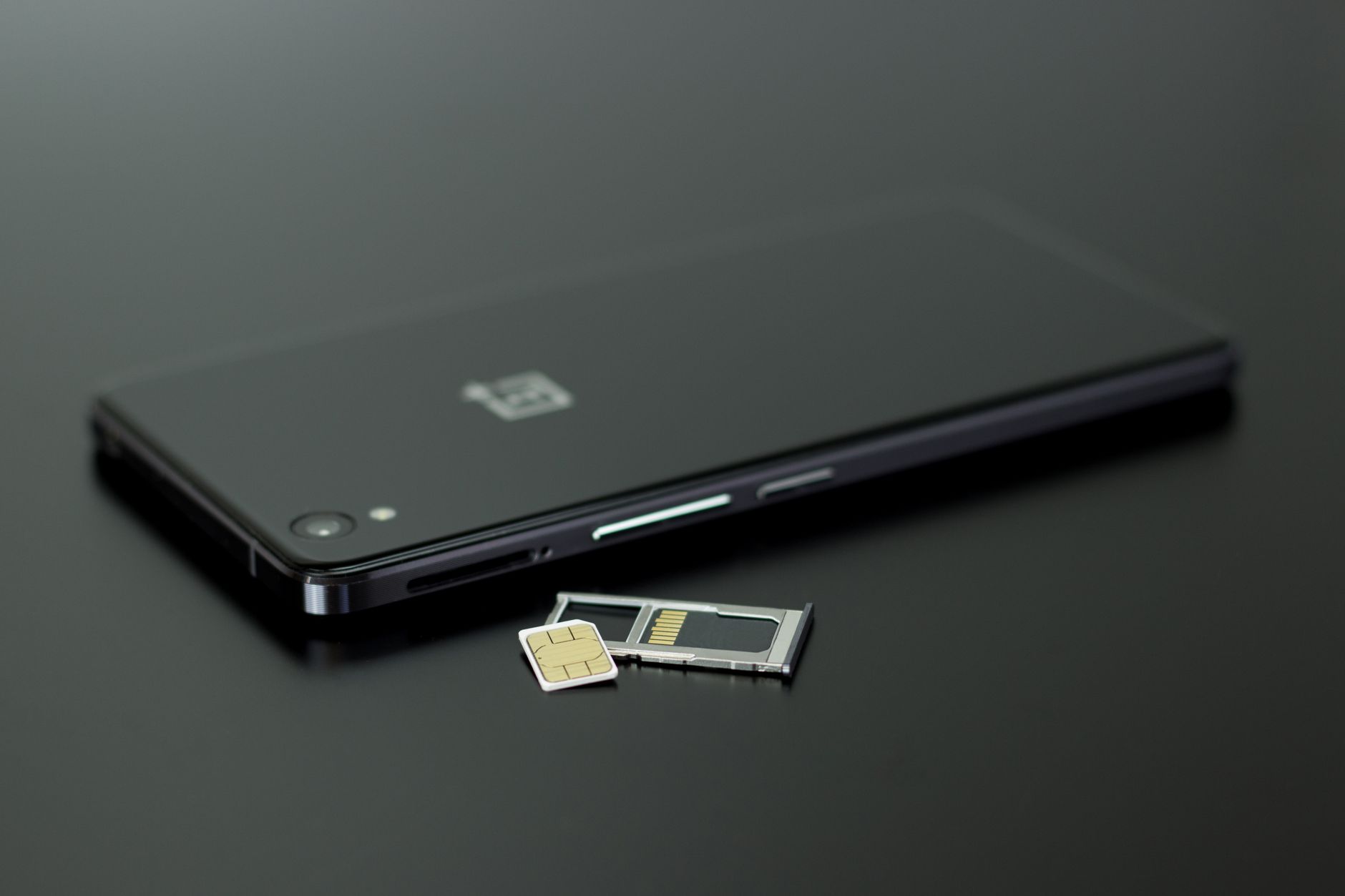
Photo by Silvie Lindemann on Pexels
Navigating Incheon: Your Go-To Guide for Getting Connected
Stepping off the plane at Incheon International Airport is an experience in itself – it’s huge, efficient, and a true gateway to the wonders of South Korea. But before you get swept away by the excitement, one of the first things to sort out is your phone. Trust me, trying to navigate a new country without reliable internet is like trying to find your way through a maze blindfolded! Getting your Korea SIM card sorted immediately is a huge stress-reliever.
Why Getting a Korea SIM Card Right Away is a Game Changer
From summoning a taxi with Kakao T to finding the nearest convenience store for a late-night snack, having constant Incheon Airport connectivity is non-negotiable. Free public Wi-Fi is available, sure, but it’s often spotty, unreliable, and not secure for sensitive tasks like online banking. A dedicated Tourist SIM Korea means you’re always connected, always translated, and always ready to capture and share those unforgettable moments.
Plus, many local apps that make life in Korea so much easier – think Naver Maps, Papago for translation, or even ordering food delivery – often require a local phone number for verification. While some eSIMs are data-only, many physical Prepaid SIM Korea options include a local number, which can be incredibly useful for longer stays or if you plan on using these services extensively.
Physical SIM vs. eSIM: What’s Your Flavor?
The world of mobile connectivity has evolved, and now you have a couple of excellent options for staying online in Korea. Deciding between a traditional physical SIM card and a newer eSIM largely depends on your phone model and personal preference. Both offer great service, but with slightly different perks.
The Classic: Physical Prepaid SIM Korea
For years, this has been the standard. You get a small plastic card, pop it into your unlocked phone, and voilà – instant connection. The major Korean carriers like SK Telecom, KT, and LG U+ all offer prepaid physical SIM cards specifically designed for tourists. These often come with a Korean phone number, which can be handy for local calls or app verifications. You’ll need to make sure your phone is unlocked before you arrive, otherwise, a foreign SIM won’t work!
The Digital Nomad’s Dream: eSIM Korea
If your phone is a newer model (think iPhone XR or later, or Samsung Galaxy S20 and up), you might be able to use an eSIM. This is a digital SIM card embedded directly into your phone, meaning no physical swapping is required. You simply purchase a plan online, receive a QR code, scan it, and activate your data. The biggest advantages? No worrying about losing your tiny home SIM, no fumbling with ejector tools, and often, you can set it up before you even leave home, so you’re connected the second you land. Many eSIM options are data-only, but the convenience factor is huge.
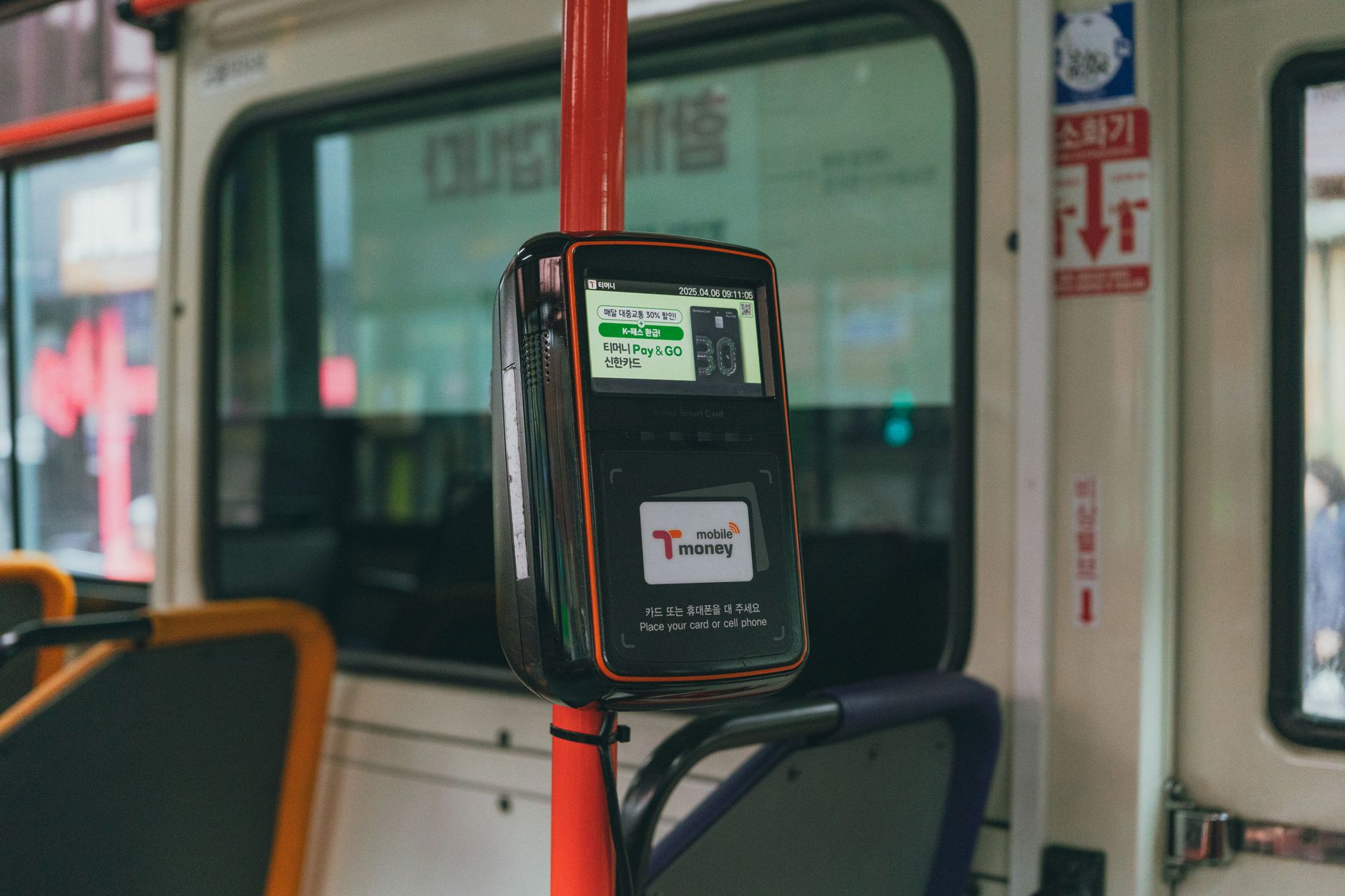
Photo by Theodore Nguyen on Pexels
Where to Purchase a SIM Card at Incheon Airport Upon Arrival
When you arrive at Incheon Airport, you’ll be pleased to know that getting connected is incredibly straightforward. The airport is well-equipped with various options to help you purchase a SIM card at Incheon Airport upon arrival, whether you’re a planner or prefer to buy on the spot.
Major Carrier Booths (SK Telecom, KT, LG U+)
Once you’ve cleared immigration and collected your luggage, head towards the arrivals hall. You’ll quickly spot prominent booths for South Korea’s three main mobile carriers: SK Telecom, KT, and LG U+. These are usually located near the exits in both Terminal 1 and Terminal 2. I personally find these booths the easiest option because the staff are accustomed to assisting tourists, often speak English, and can help you activate the SIM right there and then.
Some of these counters, especially for KT and SK Telecom, operate 24 hours a day, which is a lifesaver if you’re arriving on a late-night or early-morning flight. Just remember to have your passport ready, as it’s required for registration and activation.
Convenience Stores and Vending Machines
If the carrier booths are busy, or you prefer a quicker, self-service option, look out for convenience stores like CU, GS25, and 7-Eleven within the airport. Some of these stores also stock prepaid SIM cards. Additionally, Incheon Airport has SIM card vending machines in the arrival areas, offering another convenient way to grab a card, especially outside of regular business hours. While these are great for speed, you might miss out on direct assistance with activation.
Pre-ordering for a Seamless Pickup
For those who like to plan ahead (and often snag better deals!), pre-ordering your Korea SIM card online is a fantastic option. Websites like Klook, Trazy, and the carriers’ own international roaming sites allow you to purchase your SIM in advance and then simply pick it up at a designated counter at the airport. This can save you time and hassle upon arrival, letting you bypass potential queues. Just be sure to check the specific pickup location and operating hours for your chosen provider and terminal.
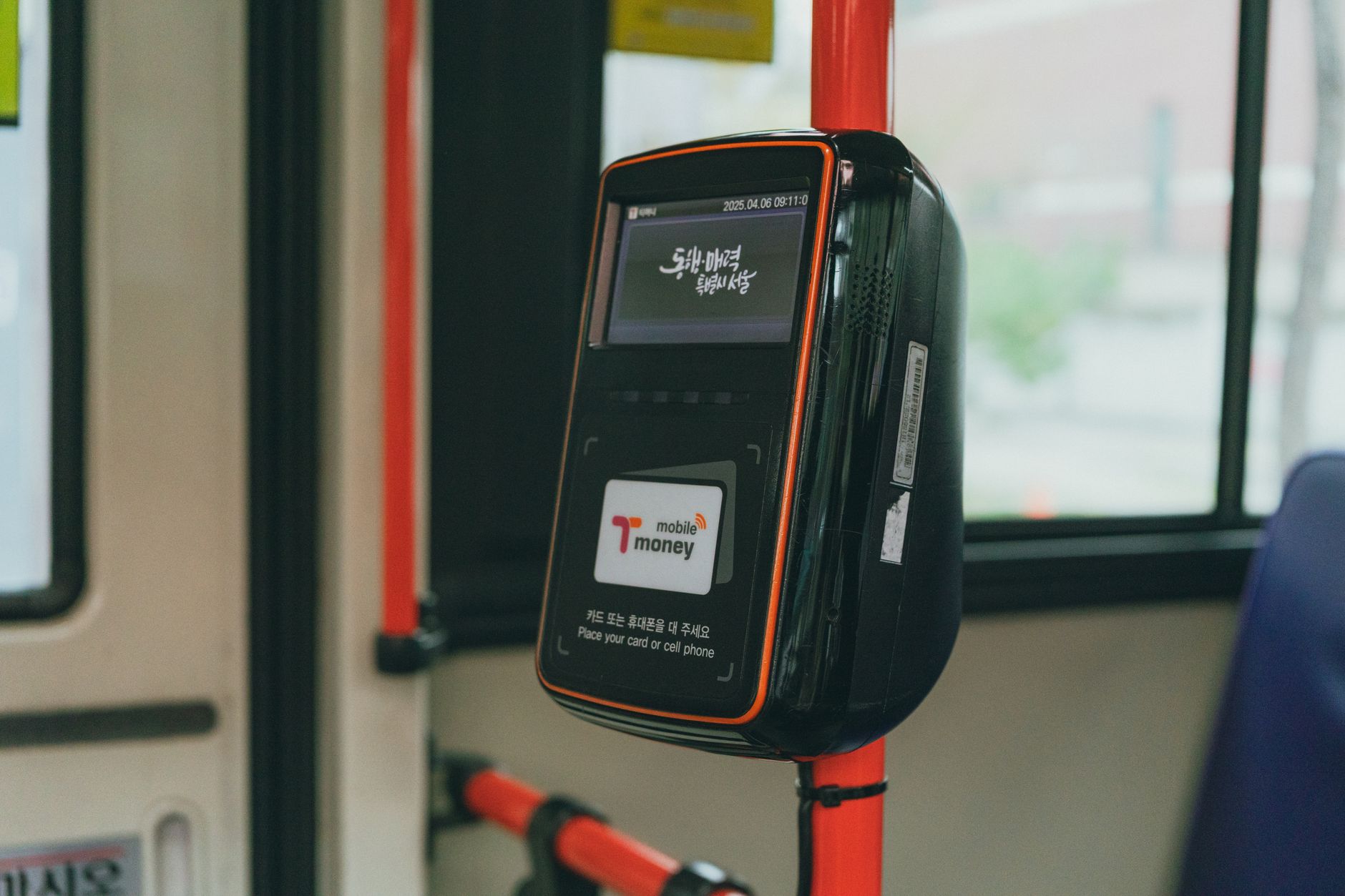
Photo by Theodore Nguyen on Pexels
Choosing the Best Mobile Data Plan for Tourists Visiting Korea for 2 Weeks?
Now, let’s talk about getting the best mobile data plan for tourists visiting Korea for 2 weeks. Most travelers to Korea these days are looking for unlimited data, and thankfully, the major carriers offer excellent options. The key is understanding how “unlimited” often works in Korea and what duration best suits your trip.
Understanding Data Allowances and Validity
Korean tourist SIM cards typically come with “unlimited” data, but this often means a certain amount of high-speed 4G LTE or 5G data per day (e.g., 1GB, 3GB, or 5GB), after which your speed is throttled to a still-usable but slower speed (like 3-5 Mbps). For a two-week trip, these daily allowances are usually more than enough for maps, social media, messaging, and light streaming. Plans are available for durations ranging from a few days up to 30, 60, or even 90 days, so you can easily find one that fits your 14-day itinerary.
Comparing Popular Plans for Your 14-Day Adventure
Here’s a quick overview of what you can generally expect from the major players for a 2-week visit, keeping in mind that prices and specific offerings can fluctuate. These are typically prepaid plans with unlimited data (subject to daily high-speed caps):
| Provider | Typical 14-Day Plan Cost (Approx. KRW) | Data Allowance | Includes Local Number? | Key Feature for Tourists |
|---|---|---|---|---|
| SK Telecom | ~₩40,000 – ₩50,000 | Unlimited (e.g., 3GB/day high speed, then throttled) | Often yes (physical SIM) | Widest coverage, especially in rural areas. |
| KT | ~₩40,000 – ₩50,000 | Unlimited (e.g., 3GB/day high speed, then throttled) | Often yes (physical SIM) | Excellent 5G speeds, strong overall network. |
| LG U+ | ~₩35,000 – ₩45,000 | Unlimited (e.g., 3GB/day high speed, then throttled) | Often yes (physical SIM) | Often bundled with T-Money cards or other tourist perks. |
| eSIM Providers (e.g., Airalo, Holafly, Nomad) | ~₩25,000 – ₩40,000 | Varied (fixed GB or unlimited with daily caps) | Rarely | Convenience, instant activation, no physical card needed. |
For a 2-week trip, any of these major carriers will provide excellent coverage and speed across cities like Seoul, Busan, and Jeju. It often comes down to personal preference or any special deals you find. If you prioritize having a local phone number for calls and texts, a physical SIM from SK Telecom, KT, or LG U+ is your best bet. If pure data convenience is your goal, an eSIM is hard to beat.
While you’re planning your stay, especially if you’re looking for a comfortable and convenient base in the heart of the action, I highly recommend checking out Niagara Hotel. It offers a fantastic location and excellent amenities, making it a perfect spot to unwind after a day of exploring. You can find some great deals and check their availability easily.
Also available: Check Current Price & Availability →
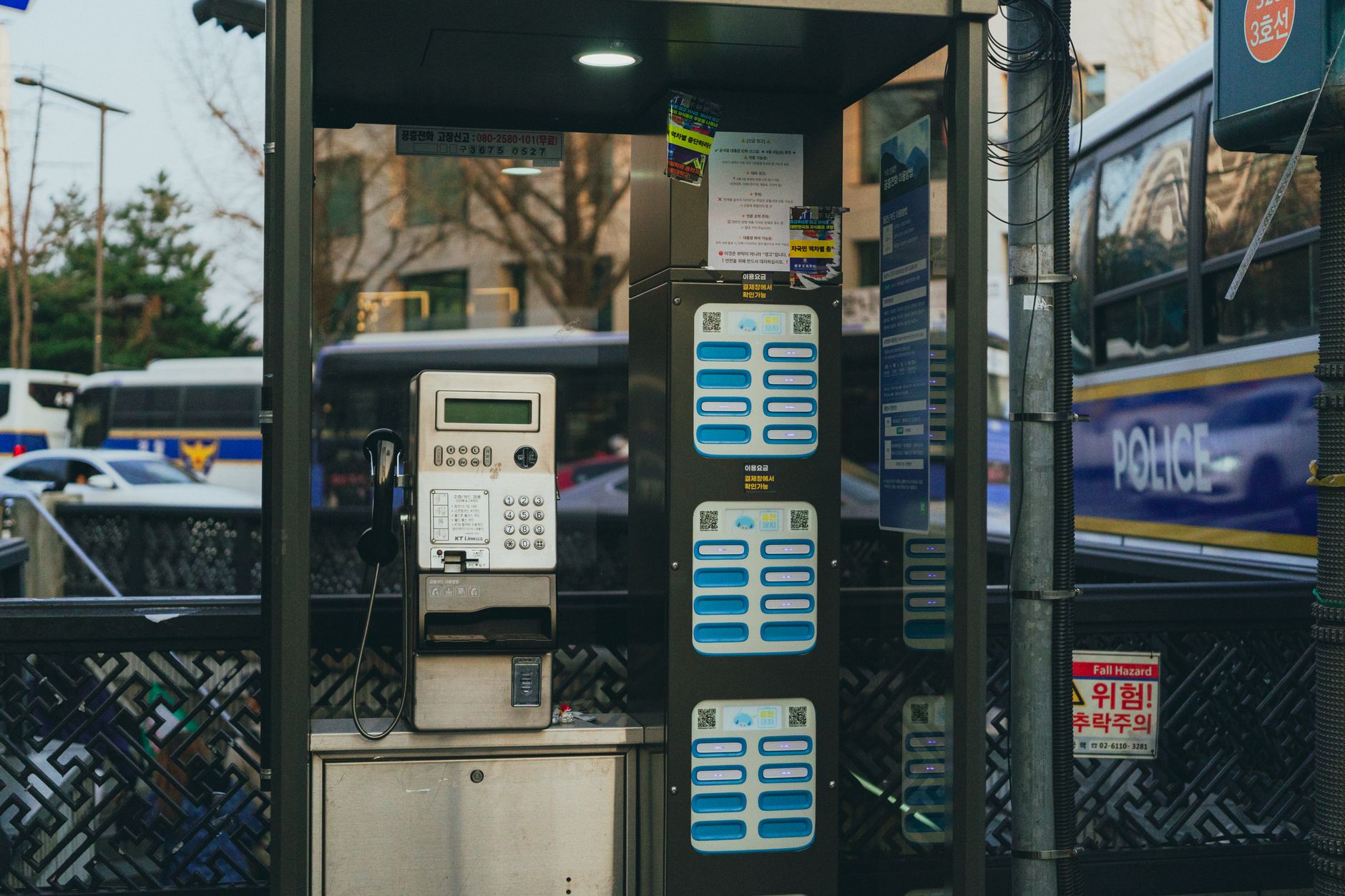
Photo by Theodore Nguyen on Pexels
Essential Tips for Activating Your Incheon Airport Connectivity
Once you’ve chosen your desired SIM or eSIM, the activation process is usually quite simple, but a few key things will ensure a smooth experience right after you land.
What You’ll Need: Passport and Unlocked Phone
This is crucial: always have your passport handy. Korean law requires foreign visitors to register their SIM cards with their passport information. The staff at the carrier booths will handle this for you. Also, ensure your phone is unlocked from your home carrier. If it’s locked, a foreign SIM card simply won’t work, and you’ll be out of luck until you get it unlocked, which can be a real headache while traveling.
Activation Times and Troubleshooting
While many pickup counters at Incheon Airport are open 24/7, be aware that actual SIM activation might have more limited hours, typically from 10:00 AM to 7:00 PM daily, as these align with the operating hours of Korean telecommunications companies. If you arrive outside these times, you might be able to pick up your SIM but have to wait until activation hours begin to fully use it. For eSIMs, activation is usually instant once you scan the QR code and connect to Wi-Fi. If you encounter any issues, don’t hesitate to ask the airport staff for assistance; they are generally very helpful. After installing a physical SIM, you might need to restart your phone a few times for it to recognize the new card properly.
And speaking of getting around, don’t forget to grab a T-Money card! It’s your best friend for public transport and even some convenience store purchases. For all the ins and outs, check out my detailed guide on Seoul Subway T-Money: Your Smart Travel Guide. It covers everything you need to know to zip around the city like a local.
Beyond the Airport: Staying Connected Throughout Your Trip
Your Incheon Airport connectivity is just the beginning! Korea boasts some of the fastest internet speeds in the world, so you’ll enjoy seamless browsing and streaming throughout your stay.
Top-Up Options and Extending Your Stay
Most tourist SIM cards are prepaid for a fixed duration. If your trip extends beyond your initial plan, you can usually top up your data or extend the validity period. This can often be done online through the carrier’s website, via their mobile app, or by visiting a customer service center in major cities. Some physical SIMs might even allow you to top up at convenience stores. Always check the specific terms of your plan for extension options.
Embracing Public Wi-Fi (But Don’t Rely on It!)
While your Prepaid SIM Korea or eSIM will be your primary connection, South Korea also has an extensive network of free public Wi-Fi, especially in major cities, subway stations, and public spaces. It’s a great backup or for saving your high-speed data allowance. However, as I mentioned, it’s not always the most reliable or secure for everything. Your personal SIM card gives you the freedom and peace of mind to always be connected, no matter where your Korean adventures take you.
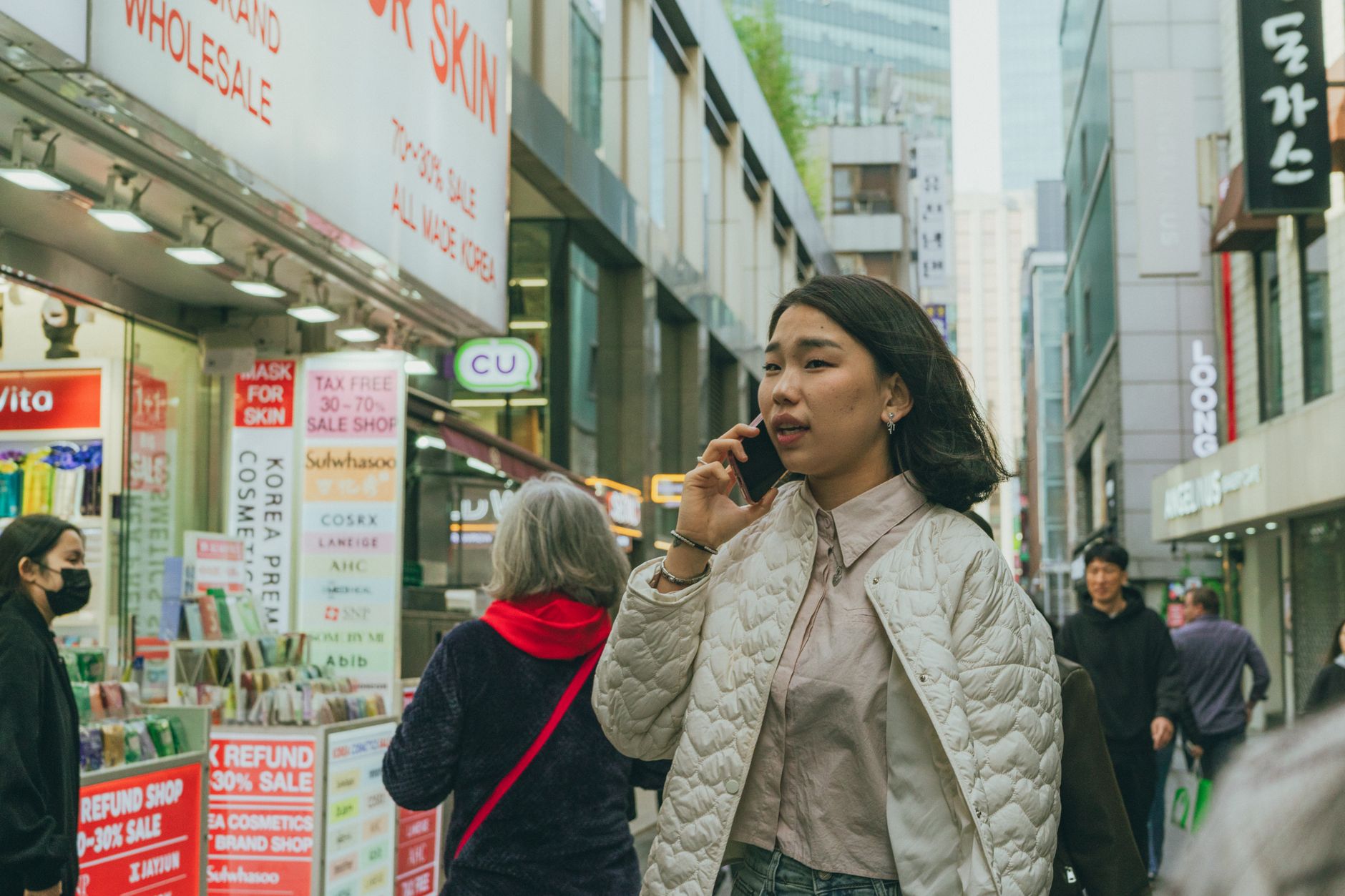
Photo by Theodore Nguyen on Pexels
There you have it! Getting a SIM card at Incheon Airport upon arrival doesn’t have to be a daunting task. With a little planning and these tips, you’ll be connected in no time, ready to explore every corner of this amazing country. Whether you opt for the simplicity of an eSIM or the reliability of a physical SIM from a major Korean carrier, having seamless mobile data will truly enhance your travel experience. So go forth, explore, and stay connected!