Thinking about making Korea your long-term home, or perhaps you’re already here navigating the incredible vibrancy of Seoul? One of the most important things to get sorted, right after finding your favorite jjimjilbang and mastering the subway, is understanding the Korean healthcare system. This guide will walk you through the essential steps for the korean national health insurance registration process for foreigners, ensuring you’re covered for any bumps along the way.
You’ll learn about eligibility, required documents, and how to manage your health insurance, making your expat life in South Korea much smoother and worry-free. Consider this your friendly chat over a cup of iced americano, breaking down what might seem like a daunting bureaucratic task into manageable steps!
Quick Answer: Your NHIS Registration Key Takeaways
- Most long-term foreign residents are **automatically enrolled** in NHIS after six months of residency or upon ARC issuance for specific visas.
- You’ll need your **Alien Registration Card (ARC)** and passport for any manual applications or inquiries.
- Contributions are typically based on income and assets, similar to Korean citizens.
- Don’t skip payments; **unpaid premiums can affect visa extensions** and future medical care.
- NHIS provides comprehensive coverage, making it an indispensable part of living in Korea.
Heads up: this post contains affiliate links. If you make a purchase through one, I may earn a small commission at no extra cost to you — thanks for supporting the blog!
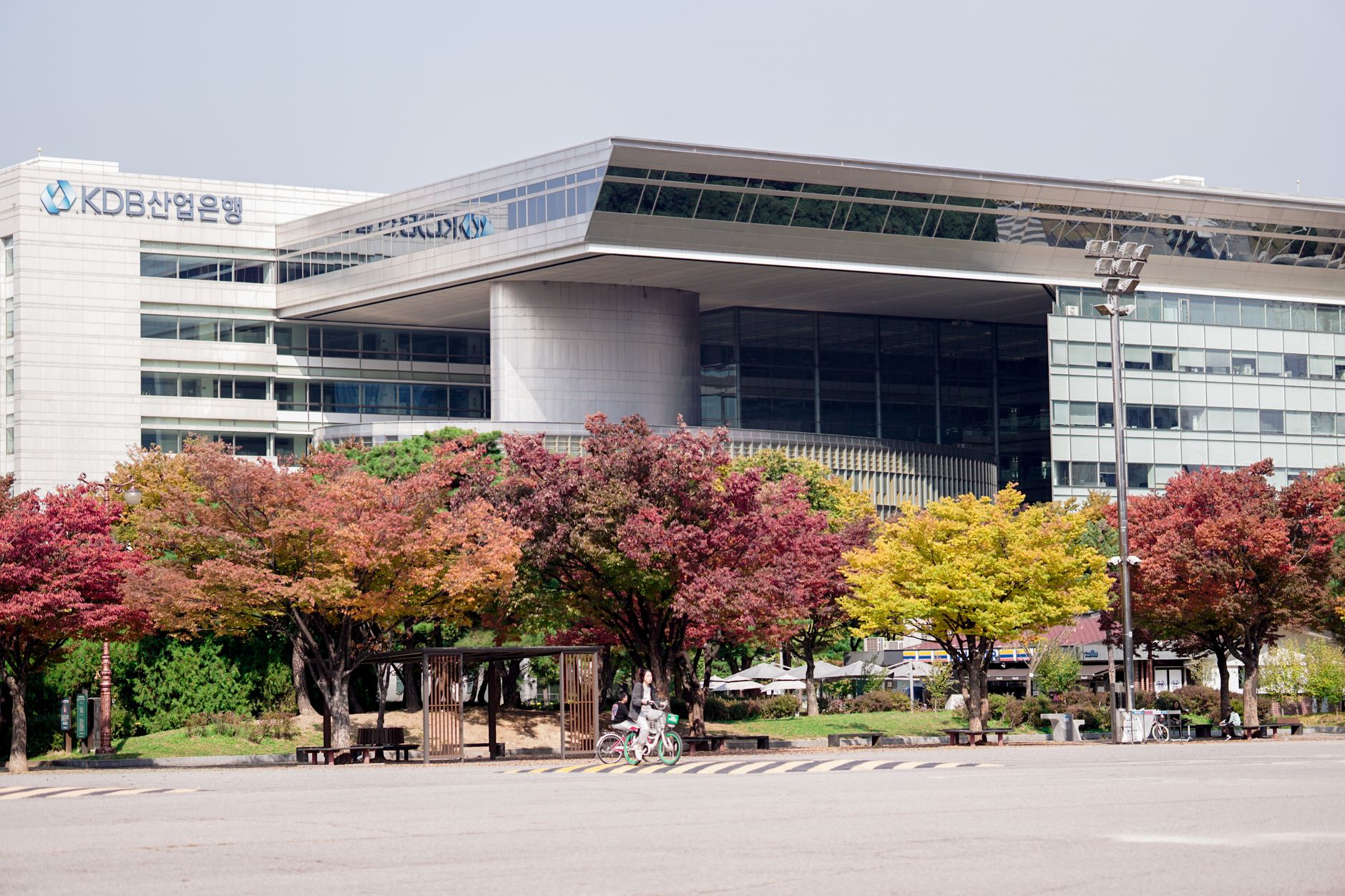
Photo by Naufal Shidqi on Pexels
Navigating the Korean Healthcare System as a Foreigner
When I first moved to Seoul, the idea of dealing with any kind of official paperwork felt like scaling Namsan Tower in flip-flops. But honestly, getting your expat medical insurance in South Korea sorted is much easier than you might think, especially with recent changes to the system. The National Health Insurance Service (NHIS) is Korea’s single-payer healthcare system, and it’s remarkably efficient, covering everything from routine check-ups to more serious medical treatments.
For most long-term residents and workers, the good news is that enrollment has become largely automatic. This means less running around and more time enjoying the city, whether it’s exploring the hidden cafes of Ikseon-dong or hiking up Bukhansan. Understanding your health insurance eligibility in Korea is the first step to peace of mind.
Who Needs to Register for NHIS?
If you’re a foreigner planning to stay in South Korea for an extended period, the NHIS will likely become a part of your life. Generally, if you have an Alien Registration Card (ARC) and have resided in Korea for six months or more, you’ll be automatically enrolled. This applies to most visa types, including those for employment, study, and long-term residency. For certain visa categories, like D-2 (study), D-4 (general training), and E-series (employment) visas, enrollment might even begin immediately upon your ARC issuance.
There are a few exceptions, of course. If you’re covered by private insurance from your home country that meets specific criteria, or if your country has a social security agreement with Korea, you might be exempt. However, for the vast majority of expats, the NHIS is the most practical and comprehensive option. It’s comforting to know that you’ll receive the same high-quality care as Korean citizens, often at a fraction of the cost you might expect in other developed nations.

Automatic Enrollment and What to Expect
Gone are the days when you had to actively seek out an NHIS office right after getting your ARC. Thanks to policy updates, particularly since 2019 and further refined in 2021, the process of getting your Alien Registration Card health insurance is largely streamlined. Once you’ve been registered as a foreign resident and issued your ARC, the NHIS system will typically enroll you automatically after your initial six months of residency. You’ll then receive a notification in the mail regarding your enrollment and monthly premiums.
For those on specific long-term visas, particularly employment visas, your employer will often handle the initial setup and deductions directly from your salary. This is by far the easiest way to manage your contributions. If you’re self-employed or not covered by an employer, you’ll be categorized as a “local subscriber,” and your premiums will be assessed based on factors like income, property, and vehicle ownership, similar to self-employed Korean citizens.
Required Documents for NHIS Registration (If Manual Application is Needed)
While automatic enrollment is common, there might be situations where you need to visit an NHIS branch yourself. This could be for initial registration if you fall outside the automatic categories, to register dependents, or to clarify any issues. Don’t worry, it’s usually a straightforward process. Here’s what you’ll typically need to bring:
- Alien Registration Card (ARC): This is your primary identification in Korea and crucial for any official dealings.
- Passport: Always good to have your passport on hand as a secondary form of ID.
- Proof of Residency: This could be your rental contract or a certificate of residency.
- Proof of Income/Employment (if applicable): For those employed, a certificate of employment or income statement might be requested to assess premiums.
- Family Relationship Certificate (if registering dependents): If you’re enrolling family members, you’ll need documents proving your relationship, often apostilled or legalized from your home country.
It’s always a good idea to call the NHIS foreigner hotline (1577-1000) or check their official English website before heading to a branch, just to confirm the exact documents required for your specific situation. Their English-speaking staff are incredibly helpful.

Photo by Theodore Nguyen on Pexels
Understanding Your NHIS Premiums and Payments
Once you’re enrolled, you’ll start receiving monthly bills for your NHIS premiums. These usually arrive by mail, but you can also opt for email notifications. The amount you pay depends on your subscriber category. If you’re an employee, your premiums are generally split between you and your employer, deducted directly from your salary. This is often the most convenient way to contribute.
For local subscribers (e.g., self-employed, students not covered by an employer, or those with non-employment visas), the premiums are assessed based on a calculation involving your income, property, and even vehicle ownership. The NHIS has a complex but standardized system for this, aiming for fairness across all subscribers. You can usually pay these premiums via bank transfer, at a bank ATM, or through various online payment portals. Setting up an automatic debit from your Korean bank account is highly recommended to avoid missing payments.
Why is consistent payment so important? Missing payments can lead to significant issues. The NHIS can impose penalties, and more importantly, unpaid premiums can hinder your ability to extend your visa or re-enter the country. Plus, you won’t be able to receive medical treatment under the NHIS until your overdue payments are settled, which could leave you with hefty out-of-pocket expenses for any healthcare needs. Trust me, you don’t want to be in an emergency situation and discover your coverage is suspended!
Learn More About Expat Life in Korea →
Making the Most of Your Korean National Health Insurance
Having your NHIS coverage active is like having a superpower when it comes to healthcare in Korea. The system is renowned for its accessibility and high quality. You can visit virtually any hospital or clinic across the country, from small neighborhood clinics for a common cold to large university hospitals for specialized care. Most doctors and nurses are incredibly professional and many larger hospitals have international clinics with English-speaking staff, making communication much easier.
Your insurance covers a wide range of services, including doctor’s visits, prescription medications (you’ll usually pay a small co-pay), dental care, traditional Korean medicine, and even some preventative screenings. It’s truly comprehensive expat medical insurance in South Korea. I’ve personally benefited from it many times, from getting a quick check-up for a seasonal cold in a local clinic in Hongdae to more involved dental work. The peace of mind knowing that quality healthcare is affordable and readily available is priceless.
For those looking to deepen their connection with Korea, mastering a bit of the language can open up even more doors, including smoother interactions at local clinics. You might find our free resources helpful. Unlock Korean! Free Resources for Beginners offers a great starting point.

Managing Your NHIS Information and Updates
Even after you’re enrolled, there might be times you need to update your information or inquire about your coverage. The NHIS has a dedicated English-language website and a foreigner hotline (1577-1000) that are incredibly helpful resources. You can use these channels to:
- Check your premium payment history.
- Update your contact information or address.
- Inquire about specific coverage details for a procedure.
- Register or remove dependents.
- Apply for a certificate of health insurance.
If you prefer in-person assistance, visiting an NHIS branch is always an option. Many branches in major cities like Seoul, Busan, and Incheon have staff who can assist in English. Just remember to bring your ARC and passport. Being proactive about managing your NHIS account ensures that your coverage remains uninterrupted and accurate throughout your stay in Korea.
One common scenario where you might need to update your information is if your visa status changes, or if you get a new job. These changes can affect your premium calculations or your subscriber category, so it’s essential to inform the NHIS promptly. Staying on top of these details is part of being a responsible resident and ensures continuous access to the excellent Korean healthcare system foreigners rely on.

Final Thoughts on Your Health in Korea
Getting your health insurance sorted is a foundational step for a comfortable and secure life as an expat in South Korea. The NHIS is a robust and reliable system, and understanding the NHIS registration for expats process from the outset will save you a lot of potential headaches down the line. It’s one of those essential pieces of the puzzle that truly makes living here feel like home.
So, whether you’re just arriving or have been here for a while, take a moment to ensure your coverage is in order. It’s not just about meeting a requirement; it’s about safeguarding your well-being and giving you the freedom to fully immerse yourself in all the incredible experiences Korea has to offer, from exploring ancient palaces to indulging in delicious street food, all with the confidence that your health is protected.