Planning a trip to South Korea? You’re in for an absolute treat, especially when it comes to the food! Forget those worries about breaking the bank because, with a few insider tips, you can savor all the incredible flavors Seoul and beyond have to offer without emptying your wallet. This guide will walk you through exactly what to expect for your food budget, from sizzling street eats to delightful cafe treats, ensuring your culinary adventure is both delicious and affordable.
Quick Answer: Your Daily Food Budget in South Korea
- Budget Travelers: Expect to spend around ₩20,000 to ₩35,000 (roughly $15-$25 USD) per day by focusing on street food, convenience store meals, and local eateries.
- Mid-Range Explorers: A comfortable daily budget for food typically falls between ₩40,000 and ₩100,000 (about $30-$70 USD), allowing for a mix of casual restaurants, cafe visits, and an occasional Korean BBQ feast.
- Luxury Indulgers: If you plan on frequent fine dining experiences, premium Korean BBQ, and trendy cafes, budget upwards of ₩100,000 ($70+ USD) per day.
Heads up: this post contains affiliate links. If you make a purchase through one, I may earn a small commission at no extra cost to you — thanks for supporting the blog!
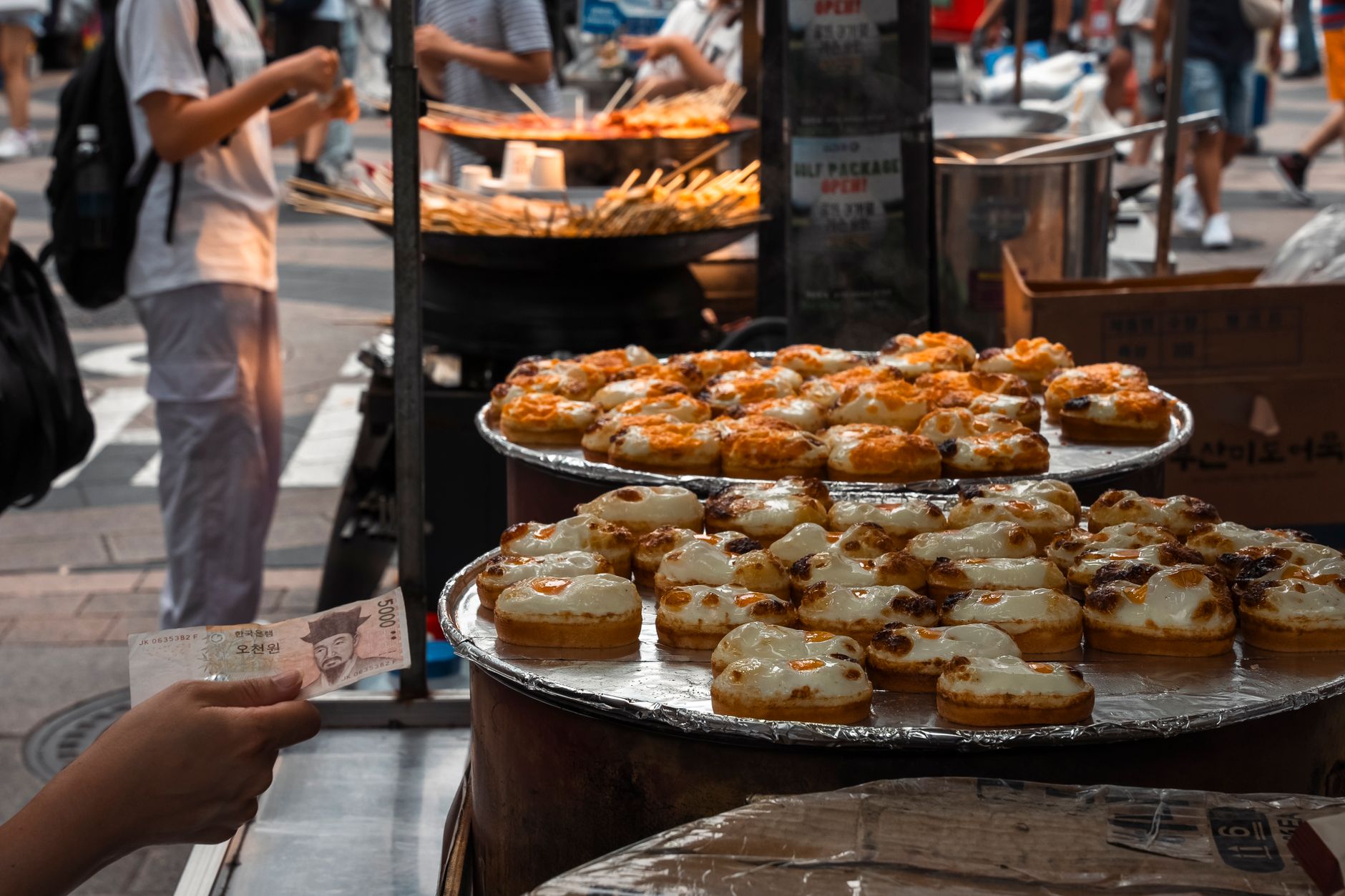
Eating Your Way Through Korea: What to Expect for Your Food Budget
One of the absolute joys of traveling in South Korea is the food. Seriously, it’s a culinary paradise! From the moment you step off the plane, you’re surrounded by tempting aromas and endless options. The great news is that, compared to many Western countries, your South Korea travel budget for meals can be surprisingly manageable, especially if you embrace local dining habits.
My first time in Seoul, I was genuinely surprised by how much delicious food I could get for my money. It’s all about knowing where to look and being open to trying new things. You’ll find that food prices in Seoul, while slightly higher than in smaller cities like Busan, still offer incredible value for the quality and experience.
Street Food Delights: Budget-Friendly Bites
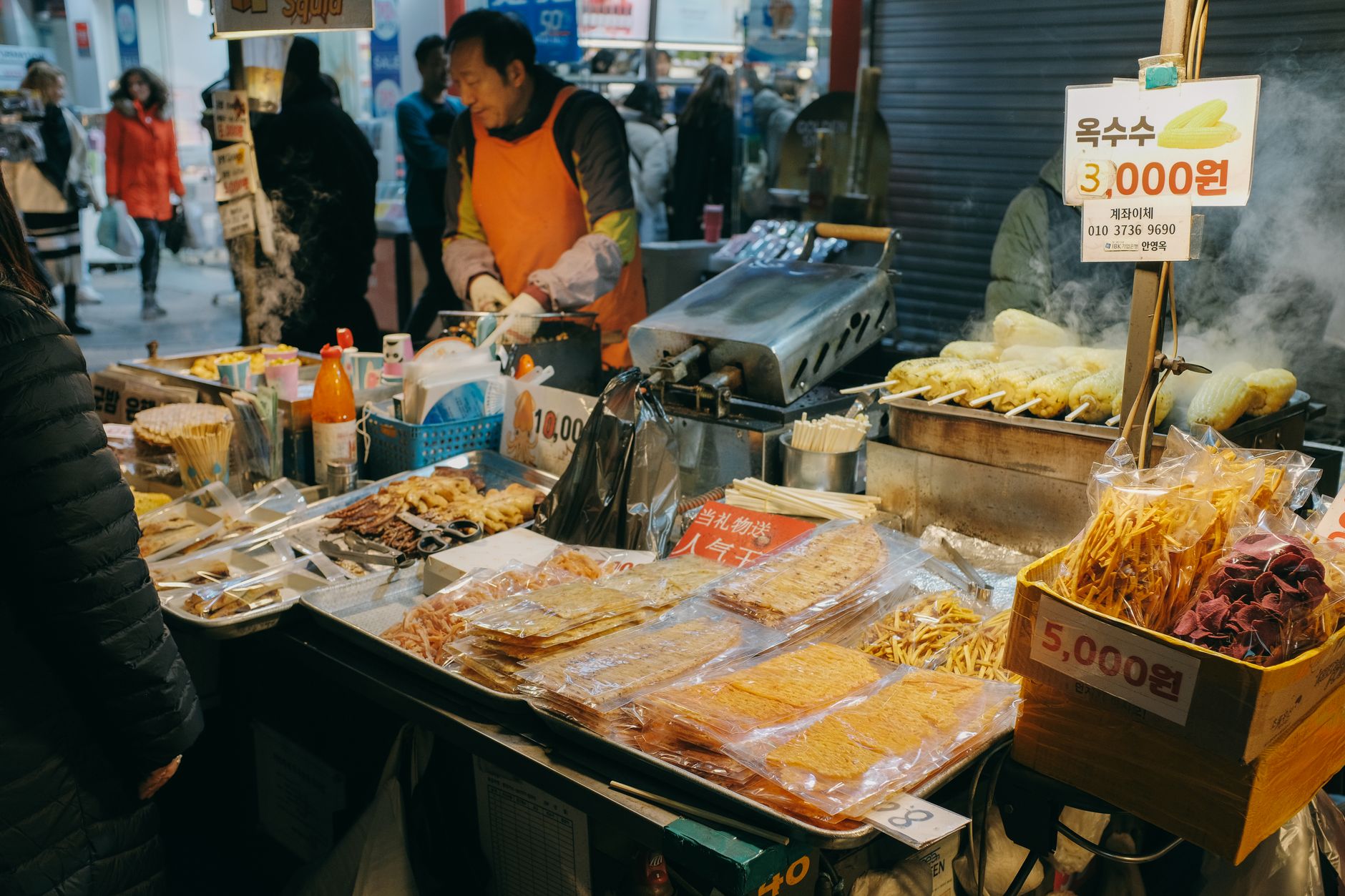
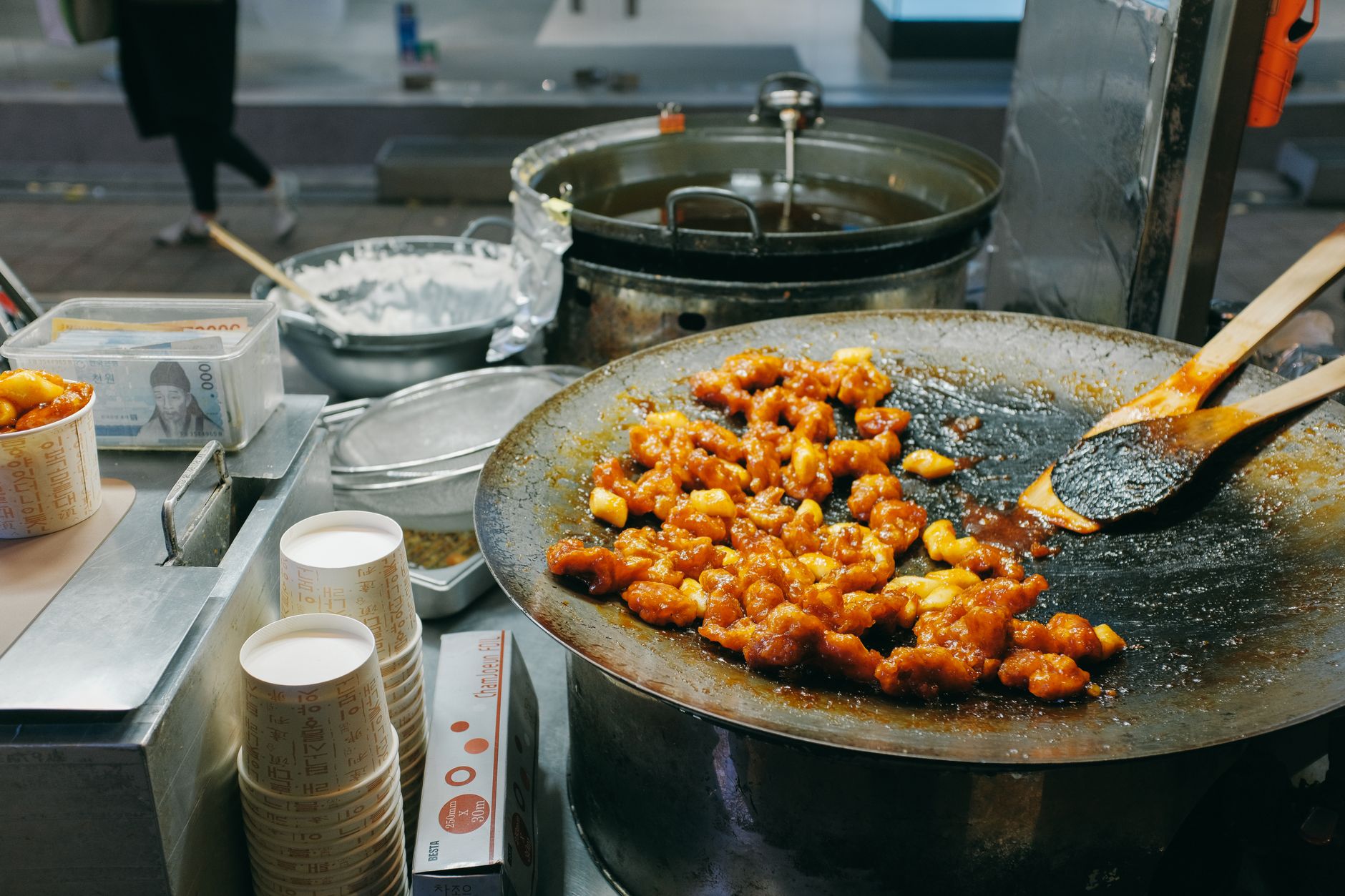
If you’re looking to keep your Korea trip expenses low, street food is your best friend. This isn’t just cheap eats; it’s an integral part of Korean culture and an experience in itself. Wandering through markets like Gwangjang or Myeongdong, you’ll find an array of snacks and mini-meals that are both incredibly tasty and easy on the wallet.
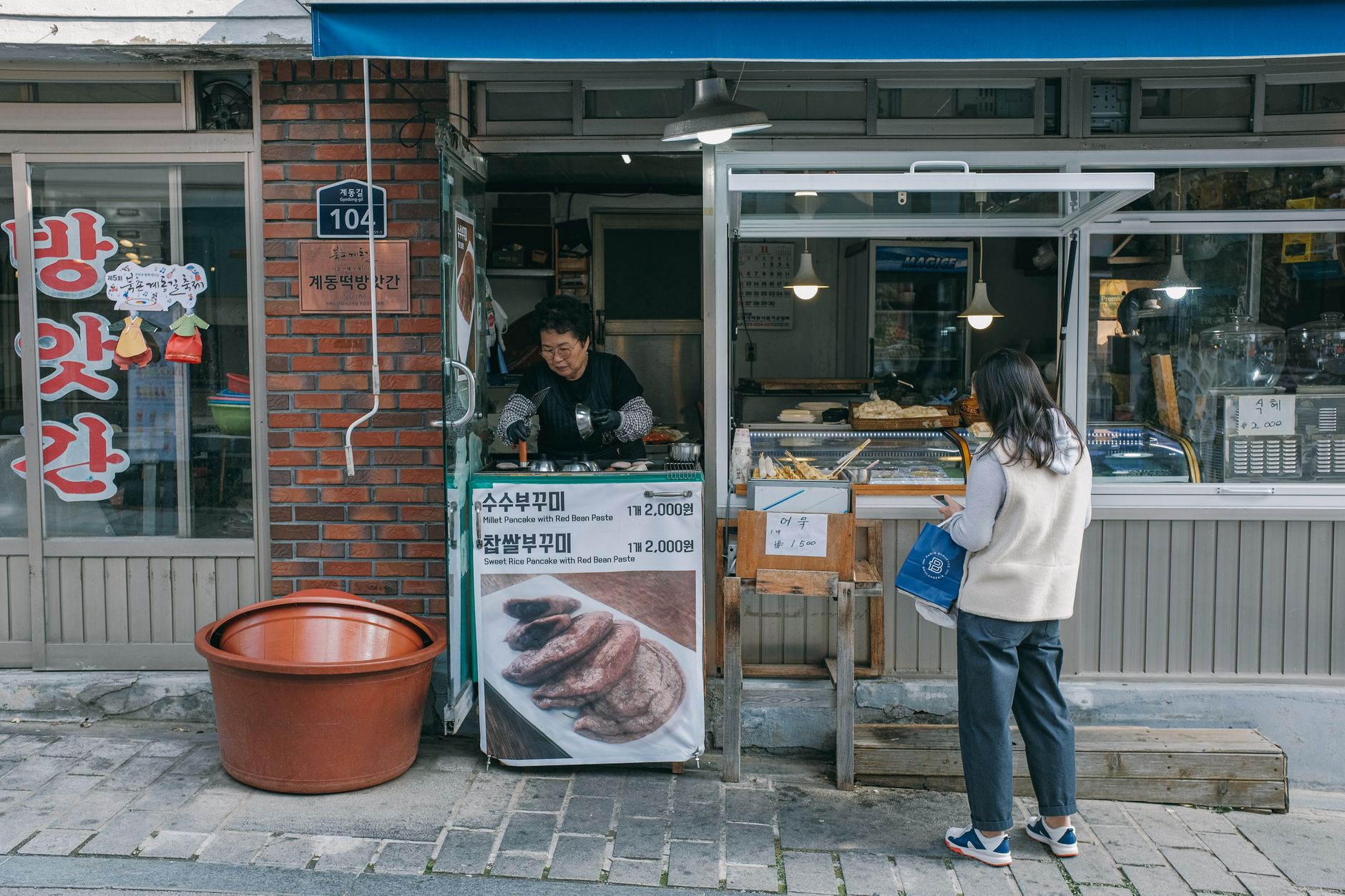
Individual street food items typically range from ₩1,000 to ₩5,000 (about $0.75-$4 USD). Think about grabbing a skewer of odeng (fish cakes in broth) for around ₩1,500-₩2,500, or a plate of spicy tteokbokki (rice cakes) for ₩2,000-₩5,000. My personal favorites are the hotteok (sweet pancakes) in winter, which are usually just ₩1,000-₩2,000 and pure comfort.
You can easily assemble a filling “meal” from a few different street food vendors for as little as ₩5,000 to ₩12,000 ($3.75-$9 USD). Just be aware that popular tourist areas like Myeongdong might have slightly inflated prices, sometimes 30-50% higher than what you’d find in a local neighborhood market.
Cafes and Casual Dining: Mid-Range Meals
Korean cafe culture is legendary, and you’ll quickly discover that coffee is a daily ritual here. A standard americano at a local cafe usually costs between ₩3,500 and ₩8,000 ($3-$5.50 USD). If you’re on a tighter budget but still crave your caffeine fix, look out for budget-friendly chains like Mega Coffee, where a large iced americano can be as low as ₩2,000 ($1.30).
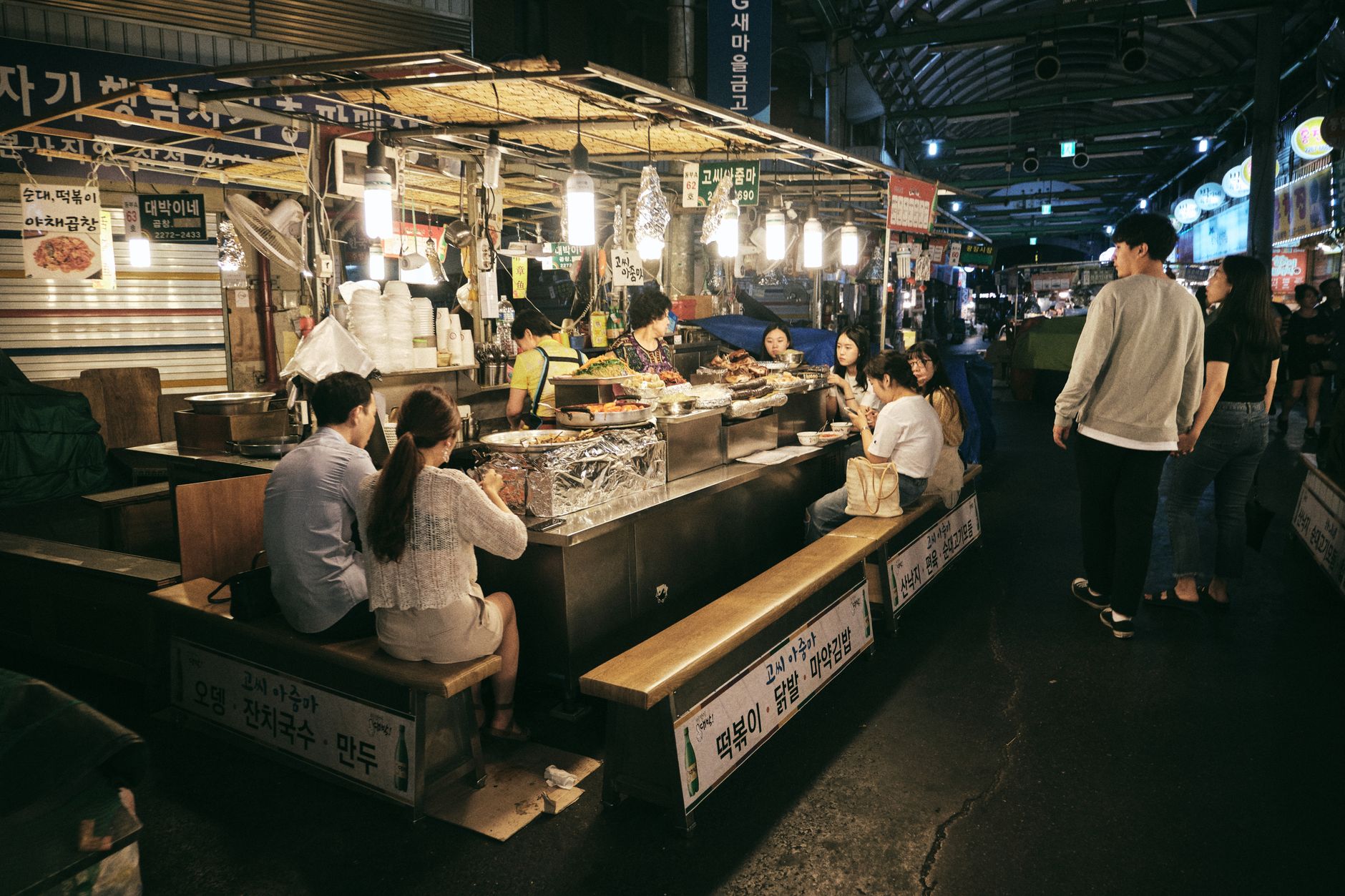
For more substantial meals, casual local restaurants offer fantastic value. These are the spots where you’ll find staples like bibimbap, kalguksu (knife-cut noodles), or gukbap (rice soup) for around ₩7,000 to ₩15,000 ($5-$12 USD) per person. The best part? Many of these meals come with a generous spread of banchan (side dishes) that are often refillable for free. It’s like a mini-feast with every order!
Restaurant Experiences: Splurging a Little
While South Korea offers plenty of budget-friendly options, you’ll definitely want to experience some of the more iconic dining experiences. Korean BBQ, for instance, is a must-try. Prices for a BBQ meal can vary, but expect to pay between ₩15,000 and ₩35,000 ($11-$27 USD) per person for pork BBQ. Beef, particularly the prized Hanwoo, will push that price higher, often upwards of $50 per person.
Mid-range restaurants offering dishes like jjimdak (braised chicken) or larger group meals typically fall into the ₩12,000 to ₩25,000 ($9-$19 USD) per person range. If you’re looking for a truly upscale or fine dining experience, prepare to budget ₩50,000 to ₩150,000+ ($38-$115+ USD) per person, but these are usually reserved for special occasions.
Grocery Shopping and Cooking: Saving on Your South Korea Travel Budget
For longer stays, or if you simply enjoy cooking, hitting up a local grocery store or market can be a great way to manage your food expenses. Large supermarket chains like E-Mart, Lotte Mart, and Homeplus are widely available. You can find essentials like milk for around ₩3,000 per liter and a dozen eggs for about ₩7,500.
However, it’s worth noting that certain items, especially fresh fruit, can be surprisingly expensive in South Korea. I once saw a single watermelon priced at over $15! Your best bet for affordable produce is to visit traditional markets, where prices are often significantly lower than in large supermarkets. While cooking some meals can help save, don’t assume it’s always cheaper than eating out, especially for certain ingredients or if you’re only making simple meals.
The Real Scoop on the Cost of Living in Korea for One Month as a Tourist
Beyond just daily meals, many travelers wonder about the broader “cost of living in Korea for one month tourist.” While food is a significant part of any budget, it’s helpful to consider other factors. For a single person traveling in South Korea, general living costs, excluding accommodation, can range from approximately ₩900,000 to ₩1,500,000 ($700-$1,100 USD) per month. This includes transportation, some activities, and personal spending.
Of course, accommodation is usually the biggest expense. In Seoul, a budget-friendly hostel dorm might be around ₩20,000-₩35,000 per night, while a mid-range hotel could easily be ₩60,000-₩120,000 or more. If you’re staying for a month, you can often find better rates on guesthouses or serviced apartments. Overall, if you’re aiming for a comfortable mid-range trip, factoring in accommodation, food, and activities, a single person might look at a total monthly budget in Seoul from $1,500 to $2,500.
Sample Daily Food Budget Breakdown
To give you a clearer picture, here’s a hypothetical daily food budget for a mid-range traveler enjoying a mix of experiences in Seoul:
| Meal/Item | Estimated Cost (KRW) | Estimated Cost (USD) |
|---|---|---|
| Breakfast (Pastry & Coffee at local cafe) | ₩8,000 | $6 |
| Lunch (Casual local restaurant – e.g., Bibimbap) | ₩12,000 | $9 |
| Afternoon Snack (Street food – e.g., Tteokbokki & Odeng) | ₩7,000 | $5 |
| Dinner (Korean BBQ with pork) | ₩25,000 | $19 |
| Drinks/Extra Snacks (Convenience store water/snack) | ₩5,000 | $4 |
| Total Estimated Daily Food Cost | ₩57,000 | $43 |
This is just an example, and you can easily adjust it based on your preferences. If you skip the BBQ and stick to street food and casual meals, you could bring that down significantly. On the other hand, a fancy dinner or more cafe stops will naturally increase your daily spend.
Where to Stay to Fuel Your Seoul Adventures
Now that you’ve got your food budget sorted, let’s talk about where to rest your head after a day of delicious eating and exploring. Finding a comfortable and well-located hotel can make all the difference to your trip. For a fantastic base in the heart of the city, I highly recommend 호텔 더 디자이너스 서울역. Its central location near Seoul Station means you’re perfectly positioned to jump on public transport to all the best food districts and attractions.
Check Current Price & Availability →
Smart Tips for Managing Your Korea Trip Expenses
Beyond food, here are a few extra tips to help you keep your overall Korea trip expenses in check:
- Utilize Public Transport: Seoul’s subway system is incredibly efficient and affordable, with basic fares around ₩1,500-₩1,550. Grab a T-Money card upon arrival for seamless travel.
- Explore Local Markets: Not just for food, but also for unique souvenirs and a glimpse into local life. Gwangjang Market and Namdaemun Market are excellent choices.
- Look for Lunch Specials: Many restaurants offer more affordable lunch sets compared to dinner prices, especially on weekdays.
- Stay Hydrated Smartly: While bottled water is readily available, many cafes and restaurants offer free water. Consider carrying a reusable bottle to refill.
- Consider Visa Requirements: Before you even start budgeting, make sure you understand the visa process for your nationality. If you’re traveling on an Indian Passport, my detailed guide on Indian Passport? Your Korea Visa Guide! will be super helpful.
Final Thoughts on Food Prices in Seoul
Ultimately, the average cost of food per day in South Korea is what you make it. You can feast like royalty on a backpacker’s budget by embracing the incredible street food and local eateries, or you can indulge in Michelin-starred experiences and trendy cafes. The beauty of Korea is that it caters to every budget without compromising on flavor or quality. So, come hungry, be adventurous, and get ready to fall in love with Korean cuisine!