Alright, my fellow food adventurers! If you’re anything like me, your travel plans often revolve around one glorious question: “What am I going to eat?!” And let me tell you, when it comes to Seoul, Korea, that question opens up a world of delicious possibilities that will absolutely blow your mind. This isn’t just about sustenance; it’s about experiencing the vibrant soul of the city through every bite.
Forget everything you think you know about Korean food from your local takeaway spot. We’re diving deep into the real deal, from sizzling street food stalls to cozy, hidden eateries. By the end of this guide, you’ll be armed with all the insider tips to navigate Seoul’s incredible culinary landscape like a seasoned local, ensuring every meal is an unforgettable memory.
Quick Takeaways: Your Essential Seoul Food Cheat Sheet
- Street Food is a Must: Dive into the bustling markets like Myeongdong and Gwangjang for iconic treats like Tteokbokki, Gyeranppang, and Hotteok.
- BBQ is Non-Negotiable: Experience the joy of grilling your own Samgyeopsal or Hanwoo beef, often paired with soju.
- Comfort in a Bowl: Don’t miss heartwarming stews and soups like Kimchi Jjigae, Sundubu Jjigae, and the revitalizing Samgyetang.
- Sweet Treats & Sips: Cool down with Bingsu or warm up with a sweet Hodugwaja, and try local drinks like Banana Milk or Makgeolli.
- Embrace Local Etiquette: A few simple manners, like waiting for elders to eat and using the correct utensils, go a long way.
Heads up: this post contains affiliate links. If you make a purchase through one, I may earn a small commission at no extra cost to you — thanks for supporting the blog!
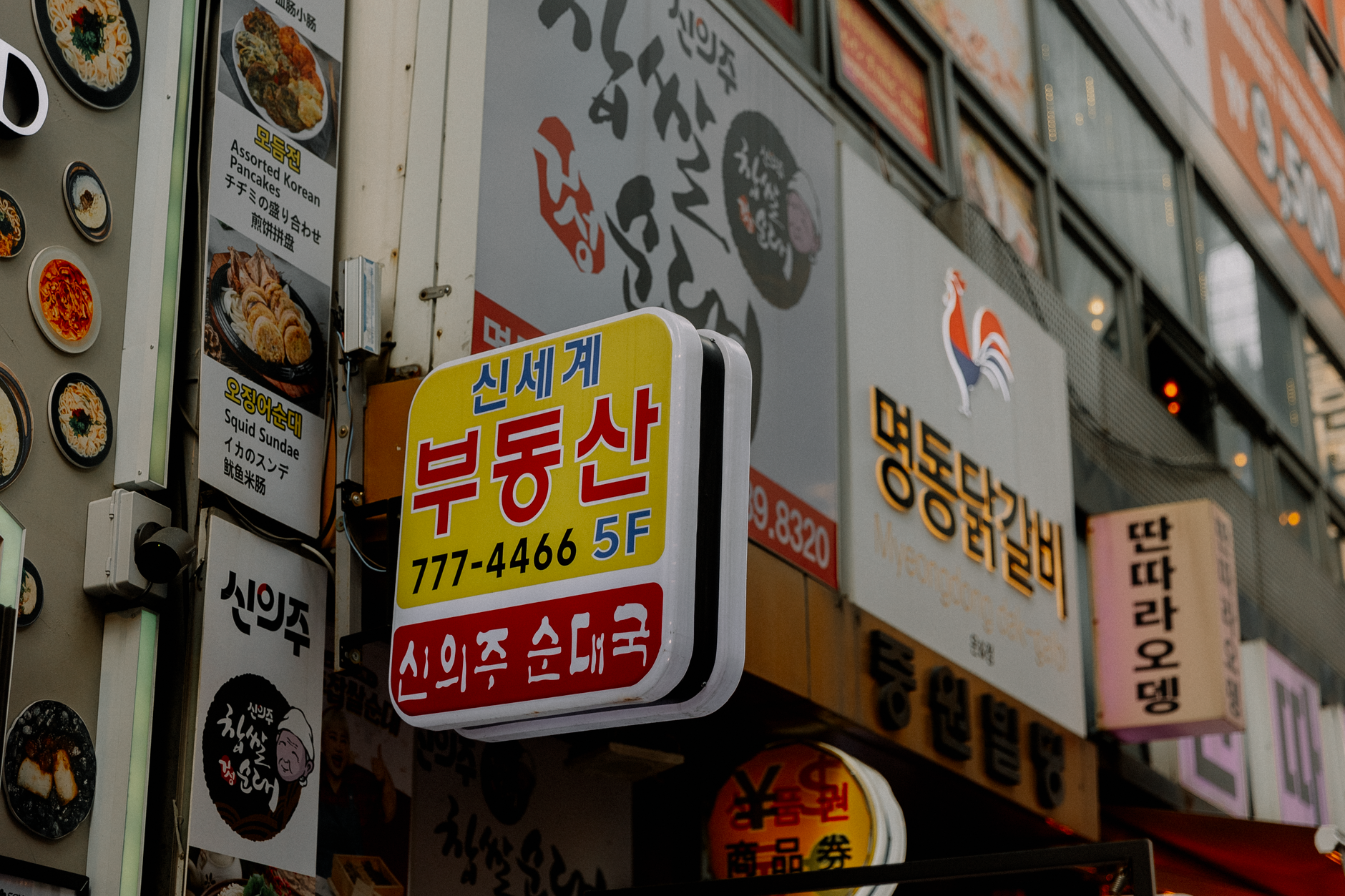
Photo by Elina Volkova on Pexels
Seoul’s Culinary Heartbeat: Why Food is Everything Here
Stepping off the plane in Seoul, you’re immediately hit with a symphony for the senses, and a huge part of that is the food. It’s not just about eating; it’s a cultural cornerstone, a social ritual, and an art form. Having lived here for a while, I can tell you that Koreans approach their meals with a seriousness and passion that’s truly infectious. Food trends pop up and evolve with dizzying speed, but the classics remain, perfected over generations.
From the moment you arrive, you’ll see people gathering around communal grills, sharing bubbling stews, and grabbing quick, delicious bites from street vendors. This city truly offers an incredible Korean food guide for anyone looking to explore. The sheer variety of flavors, textures, and dining experiences is astounding, making every meal an adventure.
Street Food Delights: A Myeongdong Must-Do and Beyond
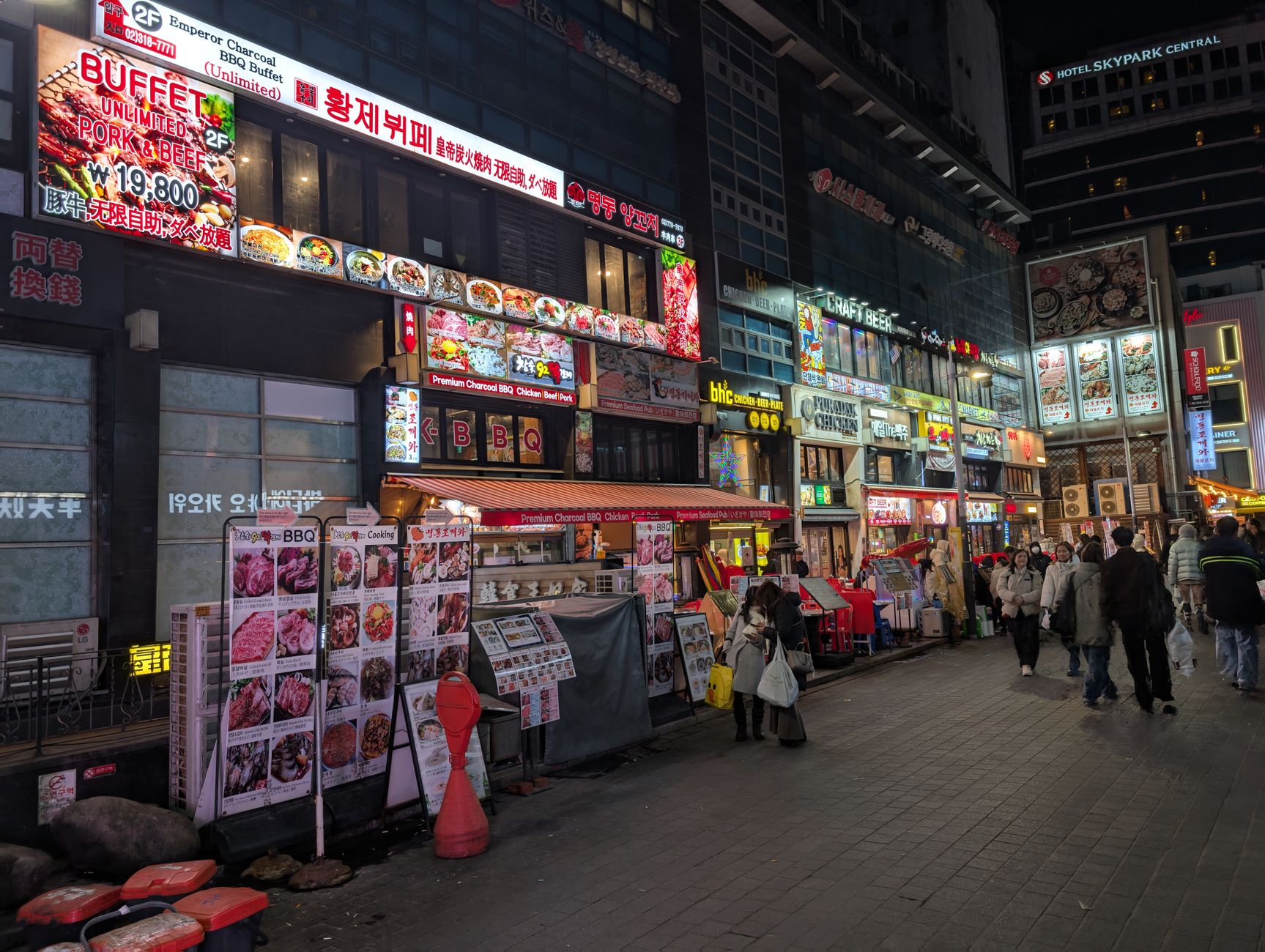
If you’re wondering what to eat in Seoul, the answer often starts on the street. Seoul street food is legendary, and places like Myeongdong are practically synonymous with it. As evening falls, the main streets transform into a bustling marketplace of tantalizing aromas and vibrant stalls. It’s an easy and exciting way to sample a huge range of local favorites, and honestly, it’s one of my favorite ways to spend an evening.
Iconic Street Eats to Savor
- Tteokbokki (Spicy Rice Cakes): These chewy, cylindrical rice cakes smothered in a sweet and spicy gochujang sauce are a quintessential Korean street food. You’ll find them simmering in huge pots, often with fish cakes (eomuk) and a boiled egg. Don’t be shy about the spice; most Myeongdong versions are moderately spicy for international palates.
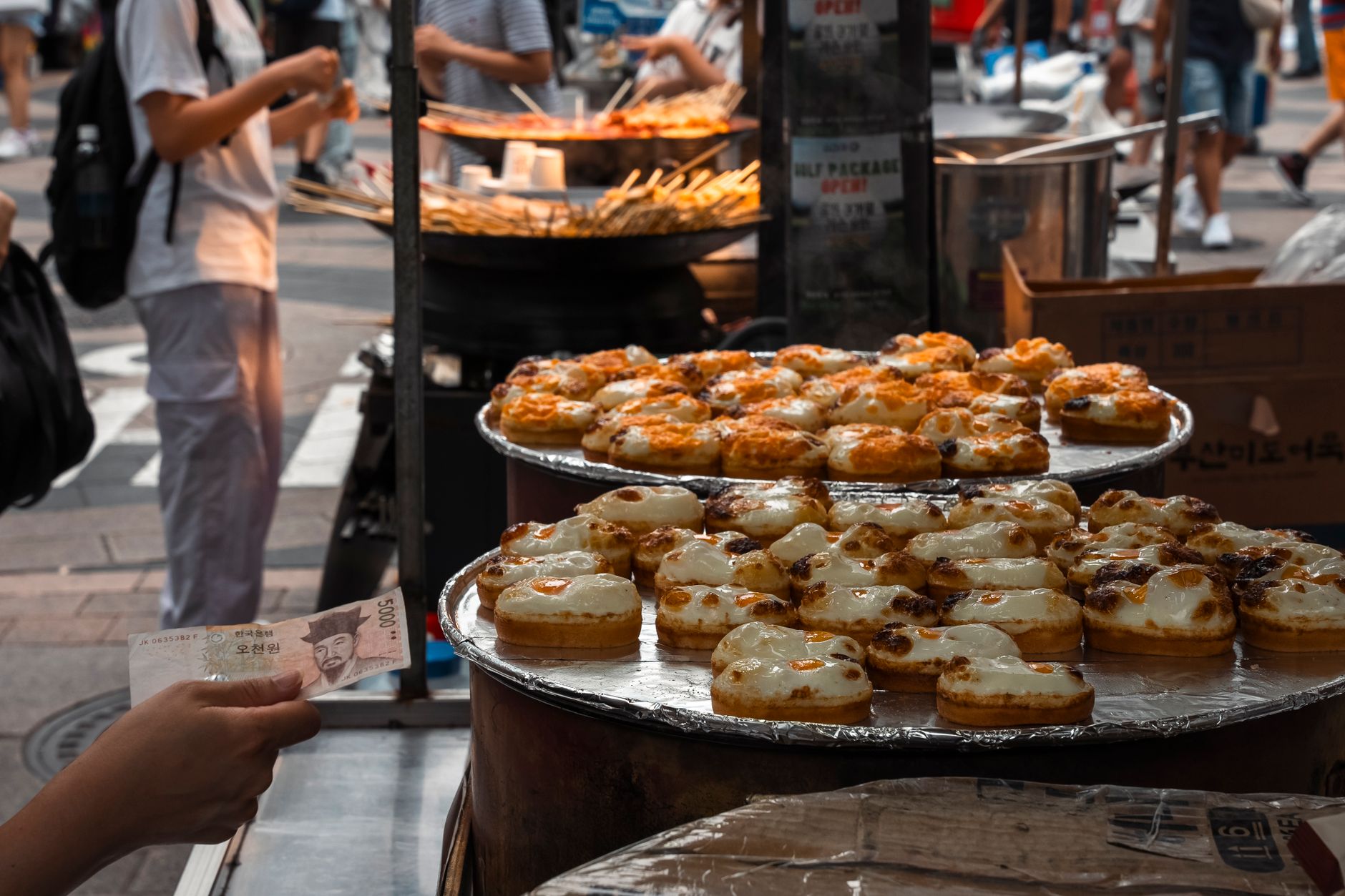
- Gyeranppang (Egg Bread): A fluffy, slightly sweet bread loaf baked around a whole egg. It’s a perfect balance of savory and sweet, and the smell of it baking will draw you in from blocks away. Look for the distinctive egg-shaped molds!
- Hotteok (Sweet Pancakes): Imagine a thick, doughy pancake filled with brown sugar, cinnamon, and crushed peanuts, pressed flat on a hot griddle until crispy outside and molten inside. It’s pure comfort, especially on a chilly evening.
- Odeng/Eomuk (Fish Cake Skewers): Fish cakes on skewers, served in a warm, clear, savory broth. You can drink the broth from a paper cup while you eat the skewers – it’s one of the cheapest and most satisfying snacks.
- Kimbap (Seaweed Rice Rolls): Often called “Korean sushi,” these rolls are filled with rice, pickled veggies, and egg, then wrapped in seaweed. Street versions are usually pre-made and perfect for a quick, filling bite.
- Twigim (Korean Tempura): A variety of deep-fried vegetables, seafood, or even dumplings, similar to Japanese tempura. Dip them in tteokbokki sauce for an extra kick!
While Myeongdong is a fantastic starting point for street food, don’t limit yourself! Gwangjang Market is another incredible destination, famous for its Bindaetteok (mung bean pancakes) and Mayak Gimbap (“addictive” mini gimbap).
Iconic Korean Dishes You Can’t Miss in Restaurants
Beyond the vibrant street stalls, Seoul boasts an incredible array of sit-down restaurants offering everything from traditional stews to modern fusion. When you’re ready for a more substantial meal, these are some of the best restaurants Seoul has to offer, focusing on signature dishes that are a must-try.
Hearty Meals and Communal Feasts
- Korean BBQ (Samgyeopsal & Hanwoo): This is an absolute cornerstone of Korean dining. Grilling various cuts of pork (especially thick-cut samgyeopsal, or pork belly) or premium Hanwoo beef at your table is a communal and delicious experience. Wrap the cooked meat in lettuce with garlic, ssamjang (spicy dipping sauce), and kimchi. It’s truly an experience!
- Bibimbap (Mixed Rice with Vegetables): A colorful and healthy bowl of warm rice topped with sautéed vegetables (namul), gochujang (chili paste), a fried egg, and often beef. The dolsot bibimbap, served in a sizzling hot stone pot, creates a crispy rice crust at the bottom that’s just divine.
- Kimchi Jjigae (Kimchi Stew): A bubbling, spicy, and savory stew made with kimchi, tofu, pork or tuna, and vegetables. It’s a national comfort food and perfect for a cold day. You’ll find it almost everywhere.
- Sundubu Jjigae (Soft Tofu Stew): This stew features incredibly soft, silken tofu, often with seafood, pork, or mushrooms, all simmered in a spicy broth. It’s typically served still bubbling in its earthenware pot, usually with a raw egg cracked in just before serving.
- Samgyetang (Ginseng Chicken Soup): A whole young chicken stuffed with glutinous rice, ginseng, jujube, and garlic, then slow-cooked to tender perfection in a clear, nourishing broth. It’s considered a restorative dish, especially popular in summer.
- Japchae (Glass Noodles): Sweet potato starch noodles stir-fried with colorful vegetables, often beef, and seasoned with soy sauce and sesame oil. It’s a delightful side dish or a light main course.
Many of these dishes are meant to be shared, fostering a sense of togetherness that is central to Korean dining culture. Don’t be afraid to order a few different items and try a bit of everything!
Hidden Gems and Local Favorites
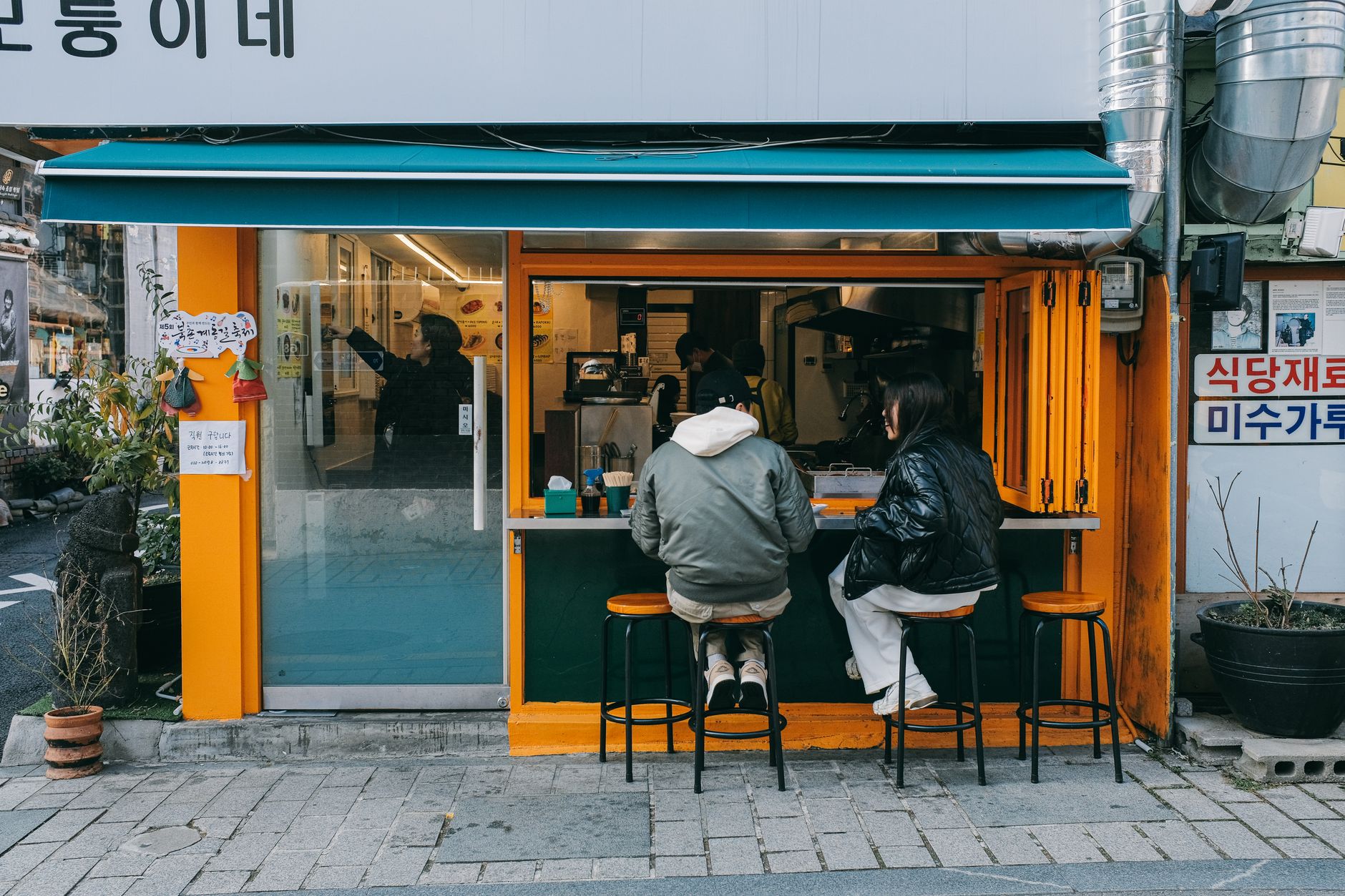
While the popular spots are great, sometimes the real magic happens when you venture a little off the beaten path. These are the kinds of places that make up a true Korean food guide for those seeking authentic flavors. I’ve stumbled upon some absolute treasures during my time here, and I love sharing them!
Beyond the Obvious: Dishes Worth Seeking Out
- Jokbal (Braised Pig’s Trotters): This dish might sound adventurous, but trust me, it’s incredibly tender, flavorful, and often served with a variety of dipping sauces and fresh vegetables. The meat is slow-braised until it literally melts in your mouth.
- Budae Jjigae (Army Stew): A hearty, comforting, and surprisingly delicious stew born out of post-war ingenuity. It combines Korean gochujang broth with ingredients like Spam, sausages, baked beans, kimchi, instant noodles, and cheese. It’s a fantastic communal meal, especially with friends.
- Dakgalbi (Spicy Stir-fried Chicken): Marinated chicken stir-fried on a large, hot plate at your table with cabbage, sweet potatoes, rice cakes, and a spicy gochujang sauce. Many places offer a cheese option, which creates an amazing, stretchy pull.
- Ganjang Gejang (Raw Marinated Crab): For seafood lovers, this dish of raw crab marinated in a soy sauce mixture is a delicacy. The sweet, gelatinous meat is a unique and highly prized flavor.
- Haemul Pajeon (Seafood Pancake): A savory pancake loaded with green onions and various seafood like shrimp, squid, and mussels, pan-fried to a crispy perfection. It’s especially good with makgeolli!
Finding these local favorites can sometimes mean a bit of exploration, but it’s always rewarding. Don’t hesitate to ask locals for their recommendations – they often know the best spots for a truly authentic taste of Seoul.
Sweet Endings and Refreshing Sips
No culinary journey is complete without indulging in some delightful desserts and beverages. Korean sweets and drinks offer a refreshing contrast to the often savory and spicy main dishes, and they’re just as much a part of the local food experience.
Desserts to Delight Your Palate
- Bingsu (Shaved Ice Dessert): This is not your average snow cone! Bingsu is made from finely shaved milk ice, creating a delicate, fluffy texture that melts in your mouth. It comes with a variety of toppings like red bean paste, fresh fruit (mango, strawberry), condensed milk, or injeolmi (rice cake) powder. It’s the ultimate cool-down treat, especially during Seoul’s hot summers.
- Hodugwaja (Walnut Cakes): These adorable, walnut-shaped cakes are a popular snack, often filled with sweet red bean paste and sometimes a piece of walnut. You’ll often smell them baking before you see the stall, especially in subway stations.
- Bungeoppang (Fish-shaped Pastry): A beloved street snack, these fish-shaped pastries are typically filled with sweet red bean paste, but you can also find them with custard or even savory fillings. They’re crispy on the outside and soft on the inside.
- Hwajeon (Flower Rice Cakes): Delicate, pan-fried glutinous rice cakes adorned with edible flowers, often served during special occasions. They are as beautiful as they are delicious.
Drinks to Quench Your Thirst
- Soju: Korea’s most iconic alcoholic beverage, a clear distilled spirit often compared to vodka, but typically sweeter and smoother. It’s deeply embedded in Korean dining culture, especially with Korean BBQ. Remember the etiquette: pour for others with two hands, and never pour your own drink!
- Makgeolli (Rice Wine): This milky, slightly fizzy rice wine is Korea’s oldest alcoholic beverage. It’s sweet, tangy, and earthy, with a lower alcohol content than soju. It pairs wonderfully with savory pancakes like pajeon.
- Banana Milk (Banana Mat Uyu): A beloved, uniquely Korean non-alcoholic drink. This sweet, banana-flavored milk comes in a distinctive chubby bottle and is a nostalgic favorite for many locals. You’ll find it in any convenience store.
- Sikhye (Sweet Rice Punch): A traditional non-alcoholic dessert drink made from malted barley water and cooked rice. It’s lightly sweet and refreshing, often served after a heavy meal to aid digestion. You’ll see whole grains of rice floating in it.
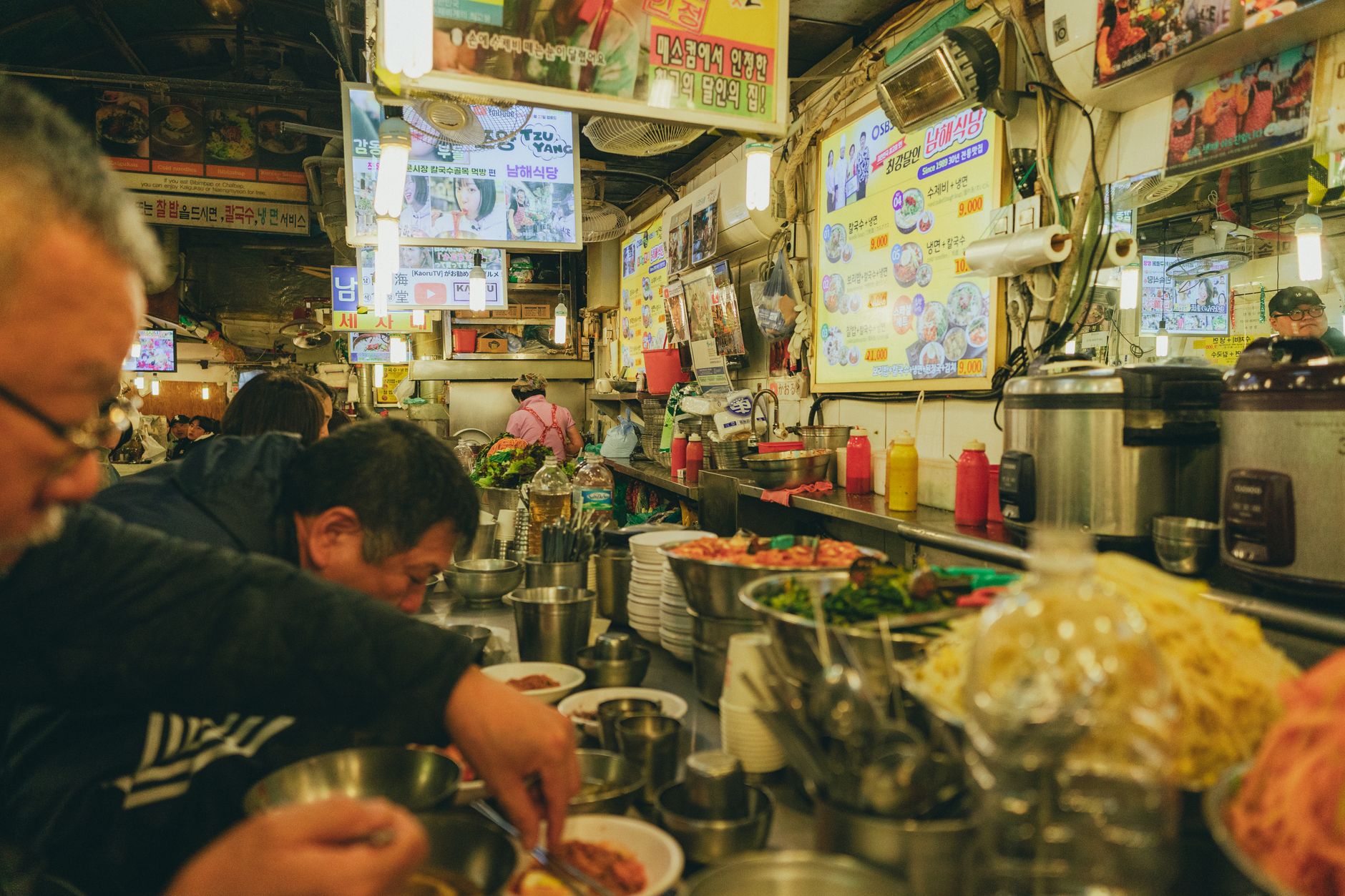
Photo by Theodore Nguyen on Pexels
Navigating Seoul’s Food Scene: Tips from a Local
Eating your way through Seoul is an adventure, and a little preparation can make it even more enjoyable. Here are some practical tips I’ve picked up over the years to help you make the most of your culinary journey:
Practical Advice for Foodies
Ordering and Payment:
- Many restaurants, especially those specializing in one dish, have simple menus, sometimes with pictures or English translations.
- Don’t be afraid to point to what you want on the menu or at another table and say “Igeo juseyo” (이거 주세요), meaning “Please give me this.”
- In some restaurants, especially BBQ places, you might have a call button on your table to summon staff. Otherwise, a polite “Jeogiyo!” (저기요!) – “Excuse me!” – works perfectly.
- Credit cards are widely accepted, but it’s always good to have some cash for smaller street food vendors.
Dining Etiquette:
- Wait for the Eldest: It’s customary for the oldest person at the table to be served and begin eating first.
- Utensils: Koreans typically use a spoon for rice and soup, and chopsticks for side dishes (banchan) and meat. Don’t lift your rice bowl to your mouth like in some other Asian cultures; keep it on the table.
- Chopstick Taboos: Never stick your chopsticks upright in your rice bowl – it’s reminiscent of funeral rituals. Also, avoid using your personal chopsticks to take food from shared dishes; use serving spoons or tongs if provided.
- Shared Dishes: Korean meals usually feature many communal side dishes. Take small, balanced bites from various dishes rather than finishing one entirely before moving to the next.
- Noise Level: While slurping noodles is acceptable in some cultures, Koreans generally prefer to eat calmly and quietly.
- Banchan (Side Dishes): These are usually free and refillable! Don’t hesitate to ask for more if you’re enjoying them.
Dietary Considerations:
- While vegetarianism and veganism are growing in Korea, finding strictly plant-based options can sometimes be challenging, as many broths and sauces contain meat or fish products. It’s helpful to learn a few key Korean phrases related to dietary restrictions.
- Food allergies are also becoming more recognized, but carrying a translation card with your specific allergies can be very helpful.
Exploring Seoul’s food scene is an integral part of understanding its culture and people. And speaking of exploring, if you’re planning your trip, you might find my guide on Seoul, Korea: Best Time for Your Dream Trip super helpful for figuring out when to visit!
Ready to Eat Your Way Through Seoul?
Seoul is a city that truly comes alive through its food, offering an incredible journey for your taste buds. From the fiery kick of tteokbokki on a bustling street to the comforting warmth of a bubbling kimchi jjigae shared with friends, every meal here tells a story. I hope this guide helps you dive headfirst into the amazing flavors that await you.
Don’t be afraid to be adventurous, try new things, and let your senses lead the way. The best memories are often made around a table, especially in a city as gastronomically rich as this one. So go forth, explore, and savor every single delicious moment!