Annyeonghaseyo, fellow travelers! Are you dreaming of neon-lit streets, ancient palaces, and mouth-watering street food? Seoul is calling, and I’m here to help you navigate its vibrant energy like a seasoned local, even if it’s your very first time. This guide will cut through the overwhelm and give you a solid, exciting plan, ensuring you make the most of every moment in South Korea’s incredible capital.
You’ll discover how to effortlessly blend historical charm with modern flair, uncover delicious eats, and explore iconic neighborhoods, all while keeping your travel budget in check. Get ready to experience the heart and soul of Seoul, leaving with unforgettable memories and a longing to return!
Quick Answer: Your Seoul Adventure at a Glance
- Best Time to Visit: Spring (April-early June) or Autumn (September-early November) for mild weather and beautiful scenery.
- Getting Around: Seoul’s subway system is incredibly efficient and easy to use. Grab a T-Money card upon arrival.
- Must-See Highlights: Gyeongbokgung Palace, Bukchon Hanok Village, Myeongdong, N Seoul Tower, and a taste of Gwangjang Market.
- Budgeting: Plan for around $50-$186 USD per person per day for a comfortable budget to mid-range trip, excluding flights.
- Cultural Immersion: Try on a Hanbok, explore traditional markets, and indulge in Korean BBQ and street food.
Heads up: this post contains affiliate links. If you make a purchase through one, I may earn a small commission at no extra cost to you — thanks for supporting the blog!
Photo by Tranmautritam on Pexels
Getting Ready for Your Seoul Adventure
Before you even step foot on Korean soil, a little prep goes a long way. Trust me, having a few things sorted beforehand means more time for exploring and less time stressing!
Best Time to Visit Seoul
If you ask me, the absolute best times to visit Seoul are during spring (April to early June) and autumn (September to early November). The weather is just gorgeous – mild temperatures, clear skies, and either cherry blossoms painting the city pink or stunning fall foliage creating a vibrant tapestry. Summer can be hot and humid with heavy rains, while winters are dry but can get seriously cold, sometimes dipping to -15°C or lower.
Navigating Seoul: Transport Tips
Seoul’s public transportation network is a marvel – clean, efficient, and incredibly user-friendly, even if you don’t speak Korean. Your best friend will be the T-Money card, a rechargeable transit card you can use on subways, buses, and even some taxis and convenience stores. You can pick one up at any subway station or convenience store. The subway system is extensive, with all major stations announced in English, Korean, and often Chinese and Japanese. For airport transfers, the Airport Railroad Express (AREX) is a fantastic option, connecting Incheon International Airport (ICN) directly to Seoul Station.
Seoul Travel Budget: What to Expect
Seoul can be as budget-friendly or luxurious as you make it, but generally, it offers a good balance compared to other major East Asian cities. For a comfortable mid-range trip, I’d suggest budgeting around $186 USD per person per day, which covers accommodation, food, transport, and activities. If you’re a savvy budget traveler, you could manage on about $50 USD a day by opting for hostels, street food, and free attractions. Accommodation in areas like Hongdae or Myeongdong can range from $21 for a hostel dorm to $123 for a boutique hotel. Taxis are also surprisingly affordable compared to many Western cities, with a base fare around 3,500 KRW ($2.50 USD).
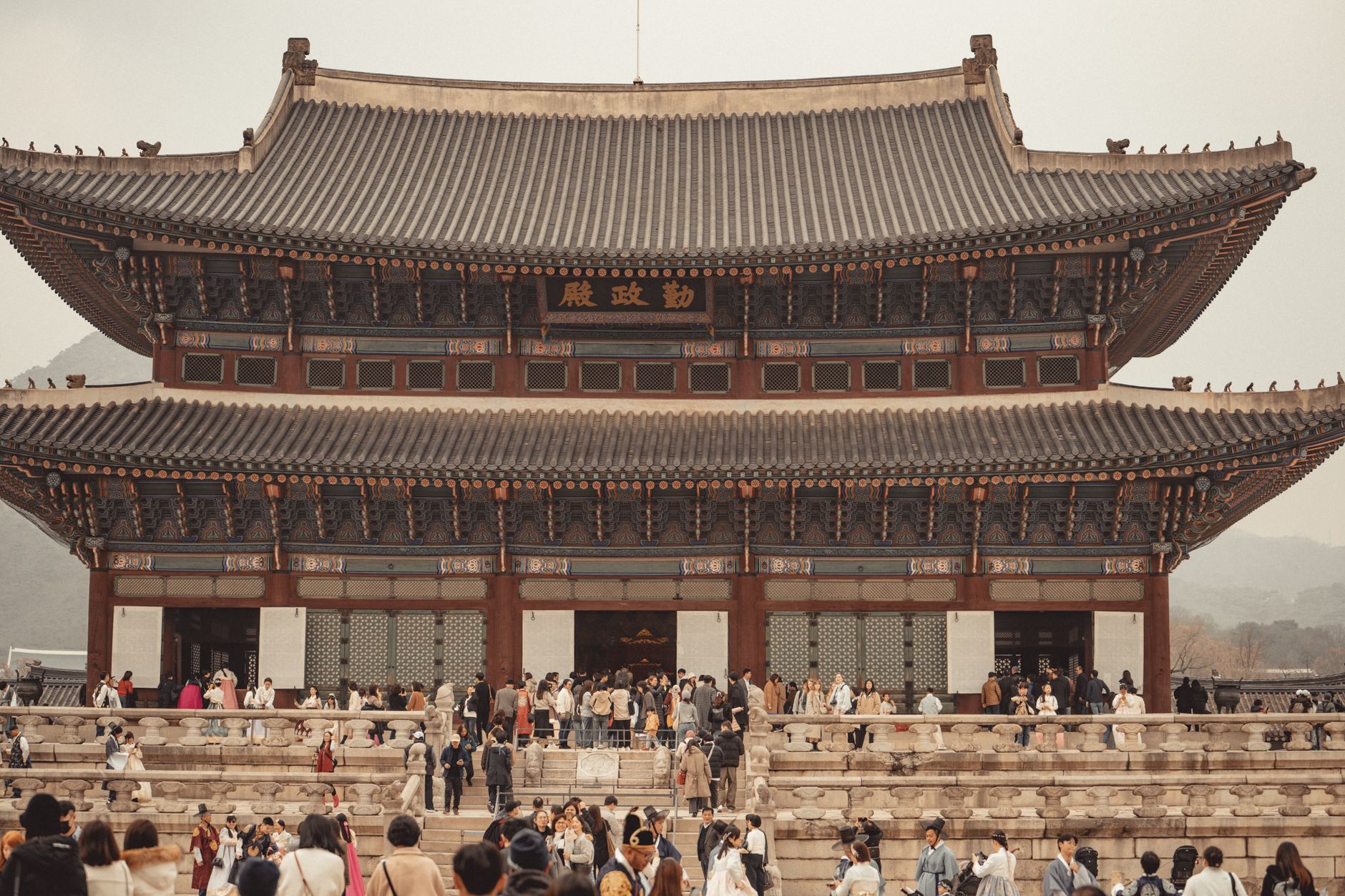
Photo by Line Knipst on Pexels
Your Ideal Seoul 5-Day Itinerary for First-Time Visitors
Alright, let’s get down to business! This carefully crafted five-day journey is designed to give you a comprehensive taste of Seoul, balancing iconic landmarks with local gems. We’ll group activities by geography to minimize travel time, maximizing your exploration.
Day 1: Historic Seoul & Palaces
Start your Seoul adventure immersing yourself in the city’s rich history. Begin at Gyeongbokgung Palace, the largest and most iconic of Seoul’s five grand palaces from the Joseon Dynasty. Arrive in the morning to witness the impressive Changing of the Royal Guard ceremony at Gwanghwamun Gate. Afterwards, rent a traditional Korean hanbok nearby – not only is it a fun experience for photos, but wearing one also grants you free entry to the palaces!
Just a short stroll from Gyeongbokgung is the charming Bukchon Hanok Village. Wander through its narrow alleyways lined with beautifully preserved traditional Korean houses (hanoks), offering a glimpse into a bygone era. For lunch, head over to the nearby Ikseon-dong Hanok Village, a smaller, trendier cluster of hanoks transformed into stylish cafes, boutiques, and restaurants. This area is perfect for trying modern twists on Korean cuisine or just enjoying a coffee in a unique setting. End your day with a visit to Jogyesa Temple, a serene Buddhist temple nestled amidst the urban bustle, known for its vibrant lanterns and ancient trees.
Day 2: Trendy Gangnam & K-Pop Vibes
Today, we’re heading south of the Han River to explore the glitz and glamour of Gangnam. Kick things off at the colossal Starfield COEX Mall, home to the breathtaking Starfield Library with its towering bookshelves. It’s an Instagrammer’s dream and a peaceful spot to take a break.
Afterward, explore the upscale streets of Gangnam, known for its luxury shopping and entertainment. You can feel the energy of K-Pop culture here, with various entertainment agencies and celebrity sightings possible. Don’t miss the Gangnam Style statue for a fun photo op! For a moment of tranquility amidst the modernity, visit Bongeunsa Temple, a beautiful Buddhist temple that offers a striking contrast to the surrounding skyscrapers. In the evening, immerse yourself in the vibrant nightlife and dining scene of Hongdae, a neighborhood popular with university students, known for its street art, live music, and trendy shops.
Day 3: Shopping, Culture & Hanok Village Charm
Let’s dive deeper into Seoul’s diverse cultural and shopping landscape. Begin your day at Myeongdong, a bustling shopping district famous for its cosmetic stores, fashion boutiques, and street food stalls. This is your go-to spot for K-Beauty hauls, with many stores offering tax refunds on the spot for tourists. Be sure to grab some delicious street food for a quick and tasty lunch.
In the afternoon, head to Insadong Culture Street, a haven for traditional Korean arts and crafts. Here you’ll find antique shops, art galleries, traditional tea houses, and souvenir stalls. It’s a fantastic place to pick up unique gifts and experience a more traditional side of Seoul. For dinner, venture to Gwangjang Market, one of Korea’s oldest and largest traditional markets, renowned for its incredible street food. Try iconic dishes like bindaetteok (mung bean pancakes), mayak gimbap (addictive mini rice rolls), and tteokbokki (spicy rice cakes). The lively atmosphere and delicious aromas are an experience in themselves.
Day 4: Island Escape or Artistic Dive
Today offers a choice, depending on your interests. If you’re craving a break from the urban bustle, consider a day trip to Nami Island. Famous for its stunning tree-lined avenues, particularly the iconic Metasequoia Path, it’s a popular destination for nature lovers and fans of Korean dramas. You can combine this with a visit to the nearby Garden of Morning Calm or Petite France for a full day of picturesque beauty.
Alternatively, if you’re an art enthusiast, dedicate your day to Seoul’s thriving art scene. Explore the National Museum of Modern and Contemporary Art (MMCA) Seoul, located near Gyeongbokgung Palace, which showcases contemporary Korean and international art. Another excellent choice is the Leeum, Samsung Museum of Art in Itaewon, known for its impressive collection of traditional Korean art and modern masterpieces, housed in architecturally stunning buildings. For a more local and eclectic art experience, wander through the galleries and creative spaces of the Seongsu-dong neighborhood. This area has transformed from an industrial hub into a trendy district with unique cafes and pop-up stores.
Day 5: Last-Minute Finds & Departure Prep
On your final day, take it easy and revisit a favorite spot or explore something new before heading to the airport. If you haven’t already, take a cable car ride up to N Seoul Tower (Namsan Tower) for breathtaking panoramic views of the city. It’s especially magical around sunset. You can also explore the trails of Namsan Park around the tower.
For some last-minute shopping or souvenir hunting, consider the underground shopping centers, like the one at Gangnam Terminal, known for budget-friendly fashion. Or, if you need to stock up on K-Beauty products, a final trip to an Olive Young store is always a good idea, especially with their immediate tax refund for tourists. Remember to leave ample time for your journey back to Incheon International Airport. The AREX train is a reliable choice.
Photo by Ayyeee Ayyeee on Pexels
Must-See Seoul Tourist Attractions Beyond the Itinerary
While the above provides a packed schedule, Seoul has an endless array of fascinating places. If you have extra time or want to swap out an activity, consider these fantastic options.
Hidden Gems and Local Favorites
- Seoul Forest: A sprawling urban park perfect for a relaxing afternoon stroll, cycling, or picnicking. It offers beautiful walking paths and art installations.
- War Memorial of Korea: A powerful and educational museum dedicated to Korea’s military history, including the Korean War. It offers a comprehensive look at the nation’s struggles and sacrifices.
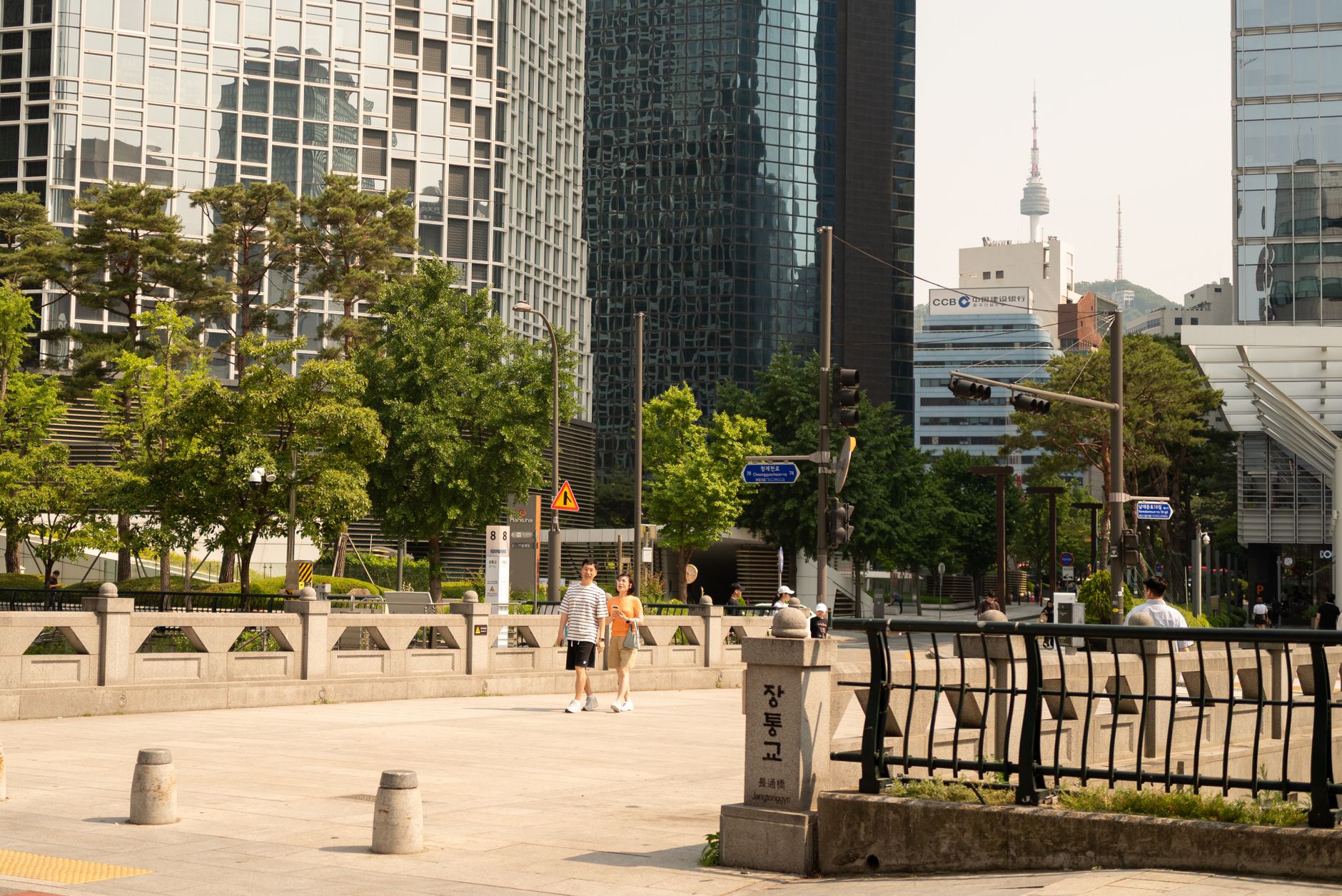
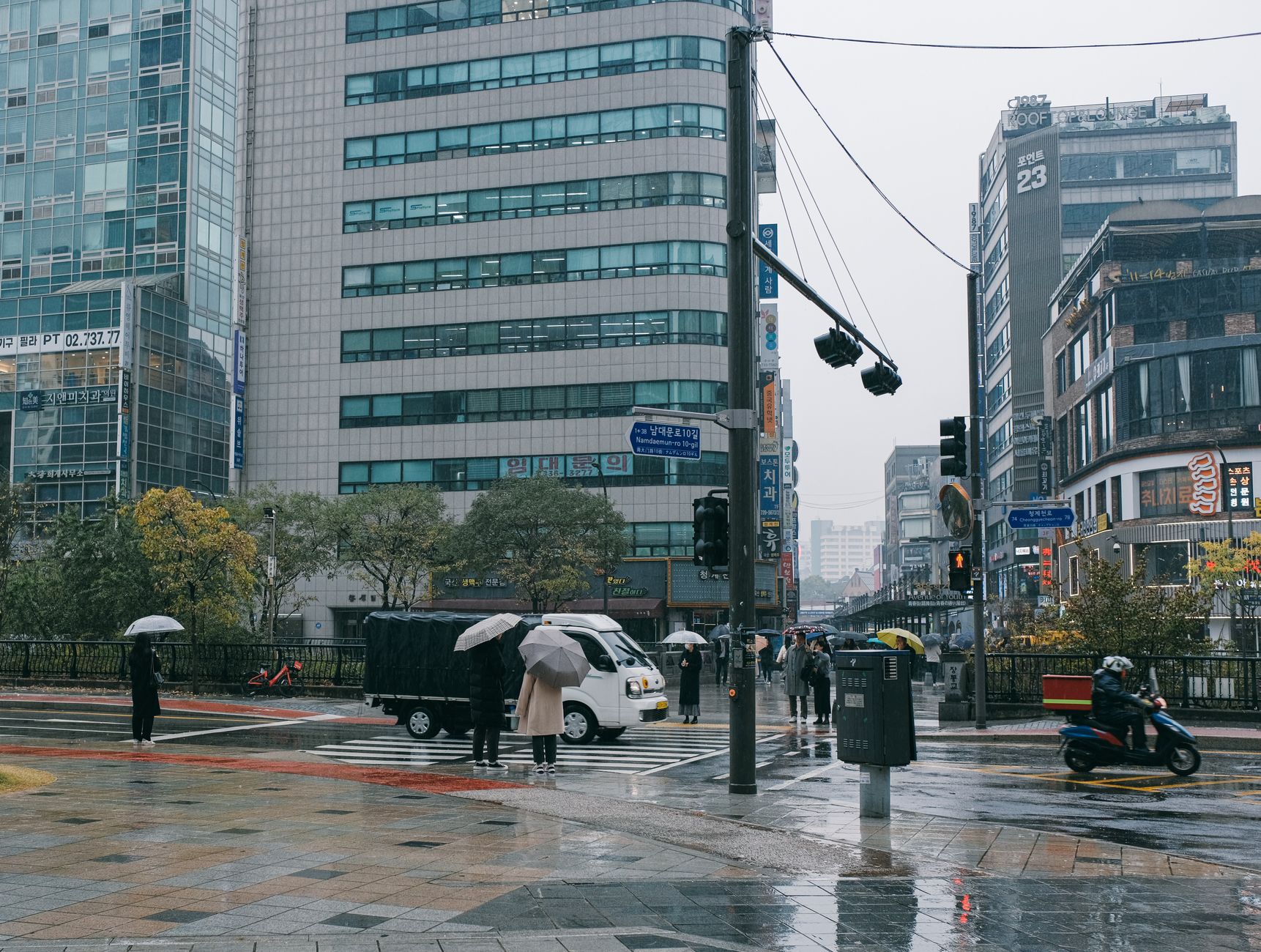
- Cheonggyecheon Stream: A beautifully restored urban stream that runs through downtown Seoul, offering a peaceful escape from the city noise. It’s lovely for an evening walk.
- Dongdaemun Design Plaza (DDP): An architectural marvel designed by Zaha Hadid, this futuristic structure hosts various exhibitions, fashion shows, and events. It’s particularly stunning at night when lit up.
Things to Do in Seoul for Every Interest
If you’re a fan of K-Dramas, you might enjoy visiting locations featured in your favorite shows. Speaking of which, for more recommendations and where to find them in Seoul, check out my post on Netflix K-Dramas: Your Top Picks from Seoul. If you’re looking for more thrills, Lotte World is a magical amusement park with both indoor and outdoor sections, offering rides and entertainment for all ages. For those interested in a deeper historical dive, the National Museum of Korea houses a vast collection of artifacts spanning thousands of years of Korean history and culture.
Essential Korea Travel Guide Tips
Beyond the sights, truly experiencing Korea means embracing its customs and culinary delights. Here are a few final tips to make your trip even smoother.
Eating Your Way Through Seoul
Korean food is an absolute highlight, and you simply must dive in! Don’t miss out on Korean BBQ (Samgyeopsal), where you grill delicious pork belly right at your table. For something comforting, try Kimchi Jjigae (kimchi stew) or Sundubu Jjigae (soft tofu stew). And of course, the ubiquitous Bibimbap (mixed rice with vegetables and meat) is a must-try. Street food is a staple, offering everything from tteokbokki to hotteok (sweet pancakes). Remember, tipping is generally not expected in Korea, as good service is considered part of the experience.
Staying Connected & Handy Apps
Staying connected is crucial for navigating Seoul, especially since Google Maps isn’t always the most reliable for public transport in Korea. I highly recommend getting an eSIM before you arrive – it’s super convenient to activate instantly. Apps like Naver Map or KakaoMap are essential for getting around, as they provide accurate public transport directions. Papago is a fantastic translation app that will be incredibly helpful for deciphering menus or asking for directions.
Cultural Etiquette to Know
Koreans are generally very forgiving of foreigners, but observing a few basic etiquette points shows respect. When dining, avoid sticking your chopsticks upright in your rice bowl, as this is associated with funeral rituals. Also, it’s polite to turn slightly away from an elder or superior when drinking alcohol. Always use two hands when giving or receiving something, especially money or business cards, as a sign of respect. These small gestures go a long way in making positive connections.
There you have it, my friend – a comprehensive and exciting blueprint for your first visit to Seoul! This city truly has a way of captivating your heart, with its blend of ancient traditions and futuristic marvels, its delicious food, and its incredibly kind people. Whether you’re wandering through a historic palace, belting out K-Pop at a karaoke room, or simply enjoying a quiet coffee in a hidden alley, Seoul promises an unforgettable journey. So, pack your bags, prepare for an adventure, and get ready to fall in love with South Korea!