Hey there, fellow adventurers! Planning a trip to the dynamic, dazzling land of South Korea? You’re in for a treat! But before you dive headfirst into the delicious street food, endless shopping, and breathtaking historical sites, let’s talk about something super practical that will make your entire experience smoother: getting your phone sorted. Trust me, navigating Seoul (or any part of Korea!) without reliable connectivity is like trying to find your way through a maze blindfolded. This guide is all about helping you understand how to register for a phone number in korea with a prepaid sim, ensuring you stay connected from the moment you land, without any unnecessary stress or confusion.
You’ll learn about the best options for short and long stays, what documents you absolutely need, and even some insider tips to make the process a breeze. So, grab your favorite brew, and let’s get you ready to conquer Korea with confidence!
Quick Takeaways for Your Korean Phone Setup
- For short trips, a prepaid SIM or eSIM is your easiest bet, often available right at the airport or online.
- You’ll always need your passport to register for any phone service as a foreigner.
- For longer stays and full access to Korean services, getting a Foreigner Registration Card (ARC) is crucial for a postpaid plan.
- Major Korean mobile providers like SK Telecom, KT, and LG U+ offer various plans, including budget-friendly MVNO options.
- eSIMs offer great data convenience but may not provide a full Korean 010 number for identity verification without an ARC.
Heads up: this post contains affiliate links. If you make a purchase through one, I may earn a small commission at no extra cost to you — thanks for supporting the blog!
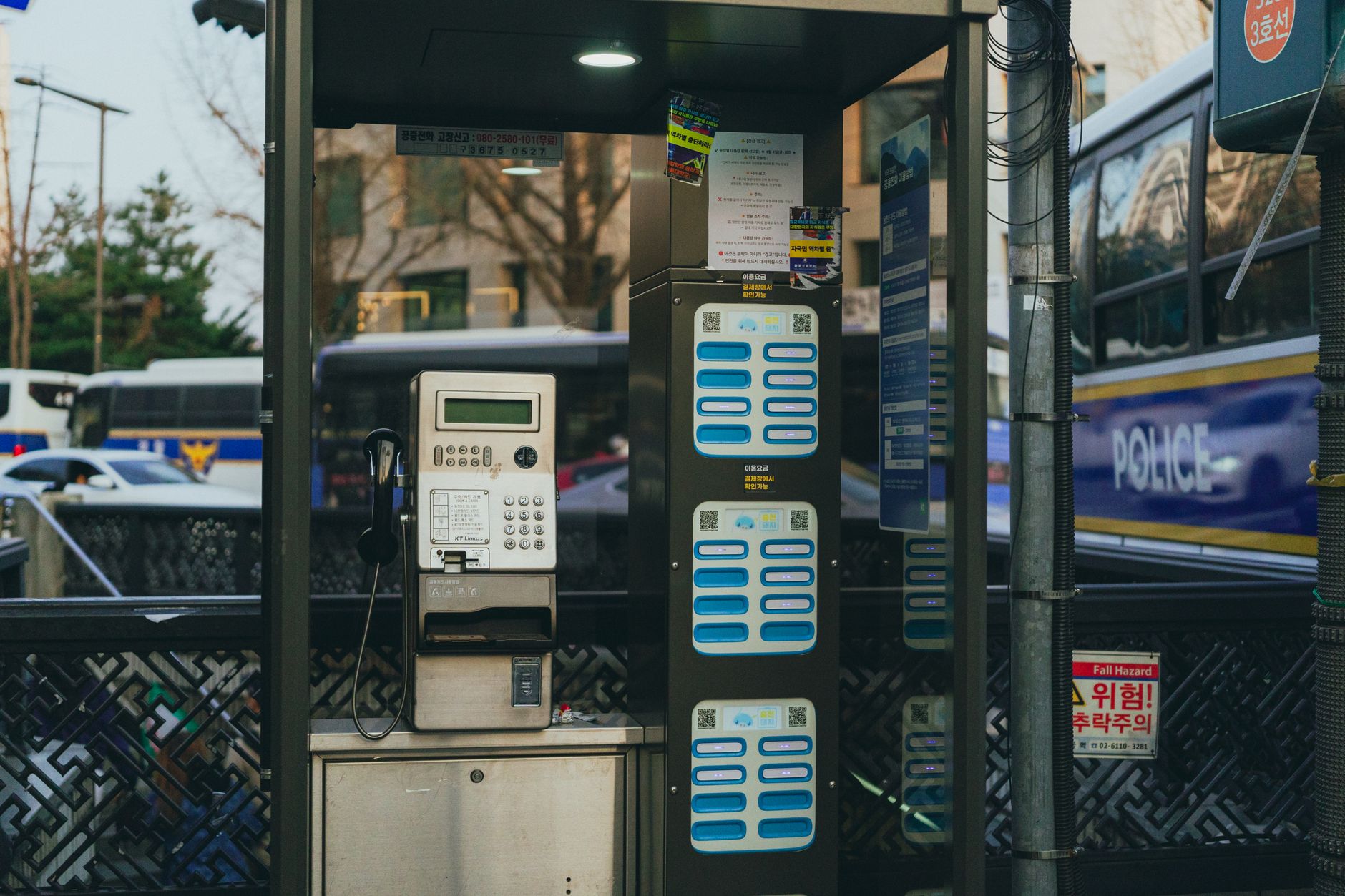
Photo by Theodore Nguyen on Pexels
Why a Local Korean Number is Your Best Friend in Seoul (Beyond Just Calling)
When I first moved to Seoul years ago, I thought my international roaming plan would be enough. Oh, how wrong I was! While it’s fine for basic messaging back home, having a local Korean number is absolutely essential for almost every aspect of daily life here. It’s not just about making calls; it’s your key to unlocking so many conveniences that locals take for granted.
Think about it: signing up for food delivery apps like Baemin or Yogiyo (a lifesaver on a rainy day!), opening a Korean bank account (which you’ll definitely need for longer stays), receiving verification codes for online shopping (Coupang, Gmarket are addictive!), or even just using KakaoTalk and KakaoTaxi seamlessly. Many of these services require a local 010 phone number for identity verification. Without one, you’ll find yourself hitting frustrating roadblocks at every turn, relying on spotty public Wi-Fi or constantly asking for help. A proper Korean number integrates you into the digital fabric of the country, making everything from ordering coffee to booking a train ticket a breeze.
Decoding Your Options: SIM Cards, eSIMs, and Korean Mobile Providers
Alright, let’s get into the nitty-gritty of how you can get connected. Korea offers several options, and the best choice really depends on how long you’re staying and what you plan to do. Generally, you’ll be looking at either a prepaid SIM, an eSIM, or, for longer-term residents, a postpaid plan. Each has its own perks and requirements.
Physical SIM Card vs. eSIM: What’s the Difference for Travelers?
First up, the choice between a physical SIM card and an eSIM. A traditional physical SIM card is what most of us are familiar with – a tiny chip you insert into your phone. An eSIM, on the other hand, is a digital SIM that’s embedded directly into your phone, meaning no physical swapping is required. Not all phones are eSIM compatible, so check your device’s specifications first!
For many travelers, an eSIM for Korea is incredibly convenient. You can often purchase and activate it online before you even leave home, meaning you land with instant data connectivity. This is fantastic for navigation, messaging, and general internet use right off the plane. However, a crucial point to remember is that while many eSIMs provide data and sometimes even a temporary Korean number, they might not always give you a “native” Korean 010 number that’s fully recognized for all local identity verification services, especially if you don’t have a Foreigner Registration Card.
Physical prepaid SIM cards, while requiring an actual swap, often come with a proper Korean phone number from the get-go, making them a solid choice if you anticipate needing that local number for bookings and app registrations. They are readily available at airports, convenience stores, and carrier shops.
The Big Three and Beyond: Choosing Your Korean Mobile Provider
South Korea boasts three major mobile providers: **SK Telecom (SKT)**, **KT**, and **LG U+**. All three offer excellent network coverage and blazing-fast speeds, especially in urban areas. Honestly, for most tourists and short-term visitors, the differences in their core service are minimal, so don’t stress too much about picking “the best” one. Focus more on the specific data plans Korea offers that fit your needs.
Beyond the big three, there are also various **MVNOs (Mobile Virtual Network Operators)**, often referred to as budget carriers. These providers use the networks of SKT, KT, or LG U+ but offer more affordable data plans for Korea. They can be a great option, especially for longer stays, but sometimes their customer service might be less readily available in English. Popular MVNOs include KT M Mobile and SK7 Mobile.

Photo by Theodore Nguyen on Pexels
Essential Documents to Get You Connected
This is where things can sometimes get a little confusing, so let’s break it down clearly. What you need depends on how long you’re staying and the type of plan you want.
For a prepaid SIM card, whether it’s a physical one or an eSIM, the primary document you’ll need is your **valid passport**. This is consistently required across all providers and purchase locations.
However, if you’re planning a longer stay (typically over 90 days) and want to get a postpaid plan, or if you need a Korean phone number that’s fully verified for banking and government services, you’ll need an **Alien Registration Card (ARC)**. This is a crucial distinction.
The All-Important Foreigner Registration Card (ARC)
If you’re staying in Korea for more than 90 days, you are legally required to apply for a Foreigner Registration Card, or ARC. This card serves as your official ID in Korea and is absolutely vital for many aspects of long-term living, including getting a proper postpaid phone plan, opening a bank account, and even signing a lease. The process for getting your ARC typically involves applying at an immigration office within 90 days of your arrival, and it can take several weeks, sometimes up to a month, for the physical card to be issued.
Until you have your ARC in hand, your options are generally limited to prepaid plans. Once that precious card arrives, it’s highly recommended to consider upgrading to a postpaid plan. These plans usually offer better rates, more generous data packages, and a fully verified Korean phone number that seamlessly integrates with all local services.
Documents Checklist
| Document | Prepaid SIM / eSIM (Short-term) | Postpaid Plan (Long-term) |
|---|---|---|
| Valid Passport | ✓ Essential | ✓ Essential |
| Alien Registration Card (ARC) | Not usually required | ✓ Essential |
| Korean Bank Account/Credit Card | Not usually required | ✓ Often required |
| Proof of Entry (Arrival Slip) | Sometimes required | Not usually required |

Photo by Theodore Nguyen on Pexels
Your Step-by-Step Guide to SIM Card Activation in Korea
So, you’ve figured out your ideal plan and gathered your documents. Now, let’s get that connection live! The process of getting and activating your SIM card in Korea is surprisingly straightforward, especially for prepaid options.
Making the Purchase: Where to Find Your Prepaid SIM
You have a few convenient places to pick up your prepaid SIM card:
- At the Airport: This is by far the most popular and easiest option for immediate connectivity. Major international airports like Incheon (ICN), Gimpo (GMP), and Busan (Gimhae) have booths for SK Telecom, KT, and LG U+ right in the arrival halls. Staff here are typically English-speaking and can help you choose a plan and get everything set up before you even leave the airport. While prices might be slightly higher than in the city, the convenience is often worth it.
- Carrier Shops in the City: If you want to compare more options or prefer to wait, you can visit official stores for SKT, KT, or LG U+ in major urban and tourist areas like Hongdae, Myeongdong, or Gangnam. They offer a wider range of plans, and staff can often assist in English.
- Convenience Stores: For basic prepaid options, convenience stores like 7-Eleven, GS25, and CU sometimes sell SIM cards. However, the staff might not be able to offer much assistance with activation or plan details, so this is best if you’re comfortable handling the setup yourself.
- Online Before You Travel: Many providers allow you to pre-order your SIM or eSIM online and either have it delivered to your address (if you have one) or pick it up at the airport. This can sometimes offer better rates and ensures you’re connected right away. For eSIMs, activation is usually done via a QR code sent to your email.
Activating Your Connection: What to Expect
Once you have your physical SIM card in hand, the activation process for a prepaid plan usually involves these steps:
- Unlock Your Phone: First and foremost, ensure your phone is unlocked before you arrive in Korea. A locked phone won’t accept a Korean SIM card.
- Insert the SIM Card: Power off your phone, carefully insert the new Korean SIM card, and then power it back on. If you have a dual-SIM phone, make sure to disable your home SIM or the second SIM slot during activation to avoid conflicts.
- Registration: If you bought your SIM at an airport booth or carrier store, the staff will guide you through filling out a simple registration form, requiring your passport details. If you pre-ordered online, you might have already uploaded your passport for verification.
- Initial Setup & Reboot: After inserting the SIM and sometimes disabling Wi-Fi and enabling mobile data, you might need to reboot your phone. This helps your device recognize the new network.
- Test It Out: Make a quick call, send a text, or try browsing the internet to ensure everything is working correctly. The staff at carrier booths are usually happy to help with this.
For eSIMs, the process is even simpler: you typically scan a QR code provided after your online purchase, follow the on-screen prompts to add the cellular plan, and you’re good to go.
Many prepaid “data plans Korea” offers come with a set amount of high-speed data, often with unlimited data at a throttled speed afterward. You can usually top up your balance or extend your plan online or at convenience stores.

Insider Tips for Staying Connected and Comfortable
Having lived in Seoul for years, I’ve picked up a few tricks that make staying connected even easier and more enjoyable. Beyond just your phone, there are other aspects to consider for a truly seamless experience.
Firstly, don’t underestimate the power of public Wi-Fi. South Korea is incredibly well-connected, with free Wi-Fi often available in subways, buses, cafes, and public spaces. This can help you conserve your mobile data, especially if you’re on a plan with limited high-speed access.
Secondly, consider where you’re staying. A comfortable base makes all the difference when you’re settling in and figuring out things like phone plans. If you’re looking for a friendly, convenient, and truly local experience in one of Seoul’s most vibrant neighborhoods, I can’t recommend 써니힐 게스트하우스 홍대 (Sunnyhill Guesthouse Hongdae) enough. It’s perfectly located for exploring, and the staff are always incredibly helpful with any questions you might have, from phone setup to finding the best local eats. Plus, having a stable address is key for many services, including receiving any pre-ordered SIM cards!
Check Current Price & Availability for Sunnyhill Guesthouse →
While you’re planning your Seoul adventure, don’t forget to explore some of Korea’s unique cultural experiences. For instance, have you ever considered visiting a traditional Korean bathhouse? It’s an incredible way to relax and immerse yourself in local culture. Check out my guide on Jjimjilbang for Beginners: Your Guide to Korean Bathhouse Bliss for all the details!
Navigating Common Hurdles with Your Korean Phone Number
Even with the best planning, sometimes little hiccups happen. Here are a few common issues you might encounter when getting a phone number in Korea with a prepaid SIM, and how to tackle them:
- Activation Delays: Sometimes, especially with online purchases, activation might not be instantaneous. If you’ve followed all the steps (inserted SIM, rebooted phone, ensured roaming is off), give it a little time. If it still doesn’t work after an hour or two, contact customer support for your chosen provider. Many have English hotlines or online chat.
- Data Throttling: Many “unlimited” data plans come with a high-speed allowance, after which your speed is significantly reduced (throttled). This is normal. If you find yourself consistently running out of high-speed data, consider topping up or upgrading to a plan with a larger allowance if available.
- Phone Compatibility: Ensure your phone is not only unlocked but also supports the network bands used in Korea (4G LTE and 5G). Most modern smartphones are fine, but it’s worth a quick check before you travel.
- Language Barrier at Stores: While airport staff are often multilingual, smaller carrier shops in non-touristy areas might have limited English speakers. Using translation apps or having key phrases written down can be very helpful. Luckily, in major tourist hubs like Hongdae, you’ll find more English-speaking staff.
- ARC for Full Functionality: As mentioned, without an ARC, some services tied to identity verification (like certain banking apps or online government portals) might not work with your prepaid number. This isn’t a “problem” with your SIM, but a system limitation. Plan to get your ARC if you intend to stay long-term and need these services.
- Extending Your Plan: Prepaid plans have a validity period. If you decide to stay longer, remember to extend your plan or top up your credit before it expires to avoid losing service. Many providers offer online portals or apps for easy top-ups.

Photo by Saksham Vikram on Pexels
Getting your phone number sorted in Korea might seem like a small detail in the grand scheme of planning an international trip, but believe me, it makes a world of difference. From effortlessly navigating the bustling streets of Seoul to staying connected with new friends and experiencing local conveniences, a local number is your indispensable companion. Whether you opt for the quick data-only eSIM, or a prepaid SIM with a local number, you’re now equipped with the knowledge to make an informed choice.
So go forth, explore, and enjoy every incredible moment this vibrant country has to offer, knowing you’re always just a tap away from everything you need. Happy travels!