Annyeonghaseyo, fellow Korea adventurers! If you’re anything like me, the thrill of planning a trip to South Korea often comes with a few logistical head-scratchers, especially when it comes to navigating local systems with a foreign twist. One question I get asked constantly by friends and readers planning their first visit is about getting around, specifically how to snag those coveted KTX tickets to zip between cities. This guide is your personal roadmap to understanding the KTX booking process, especially if you’re trying to pay from abroad. You’ll walk away knowing exactly how to secure your high-speed train seats without a hitch, leaving you more time to dream about Busan’s beaches or Seoul’s vibrant nightlife.
Key Takeaways for Your KTX Booking:
- The official Korail website (let’s call it KorailTalk) is your best bet for international bookings.
- Foreign credit cards often work, but sometimes require specific payment gateways or browser settings.
- Booking in advance, especially for popular routes like Seoul to Busan, is highly recommended.
- Always have your passport ready when collecting tickets or boarding the train.
- Consider a Korail Pass if you plan extensive train travel across South Korea.
Heads up: this post contains affiliate links. If you make a purchase through one, I may earn a small commission at no extra cost to you — thanks for supporting the blog!

Navigating the Korail Booking System: Your Essential KTX Booking Guide for Foreigners
Okay, let’s talk trains! The KTX, South Korea’s high-speed rail, is truly a game-changer for getting around the country. It’s efficient, comfortable, and incredibly fast – you can get from Seoul to Busan in about 2.5 to 3 hours, which is just mind-boggling when you think about the distance. But for many international visitors, the initial hurdle is often figuring out the online reservation system. While it’s improved significantly over the years, it can still feel a bit like a puzzle.
Your primary tool for securing these tickets from outside Korea will be the official Korail website. They’ve made strides to be more foreigner-friendly, offering English, Japanese, and Chinese interfaces. Don’t be tempted by third-party sites that might add extra fees; sticking to the source usually gives you the best price and direct control over your booking. I always recommend going straight to Korail’s international booking portal.
The Official Korail Website: Your First Stop for South Korea Train Tickets
When you first land on the Korail website, make sure you select your preferred language right away. You’ll typically find the language options at the top right of the page. From there, you’ll want to navigate to the “Train Ticket” or “Reservation” section. It’s pretty intuitive: you’ll input your departure and arrival stations (Seoul Station and Busan Station are the main hubs for this route), your travel date, and the number of passengers.
One common pitfall I’ve seen is people accidentally selecting domestic Korean options instead of the international booking portal. Always double-check that you’re on the English (or your preferred foreign language) version that caters to international travelers. This ensures you’ll be able to input foreign passport details and, crucially, use international payment methods.
Once you’ve entered your basic travel info, the system will display available trains, times, and seat classes. You can choose between standard class, which is perfectly comfortable, or first class for a bit more legroom and amenities. I usually go for standard unless it’s a super long journey or I’m feeling fancy! After selecting your desired train, you’ll proceed to enter passenger details, including your passport number, which is essential for foreign travelers. Don’t worry, it’s a standard security measure.

Tackling Payments: How to Buy KTX Tickets from Seoul to Busan Online Using a Foreign Credit Card
This is often the trickiest part for many, so let’s dive deep into how to buy KTX tickets from Seoul to Busan online using a foreign credit card. In my experience, while Korail has significantly improved its international payment gateway, it can still be a bit finicky. The good news is that it absolutely IS possible to use your foreign credit card – think Visa, Mastercard, American Express – but you might need a little patience and a few tricks up your sleeve.
When you reach the payment page, you’ll typically see options for various credit card types. Select your card provider. Sometimes, the issue isn’t with your card itself, but with the payment gateway’s security protocols that might flag international transactions. If your payment fails initially, don’t panic! Here are a few things to try:
- Check with Your Bank: Before you even start, it’s a good idea to inform your bank that you’ll be making an international transaction to Korea. Sometimes, banks automatically block purchases they perceive as unusual for fraud prevention. A quick call can save you a lot of headache.
- Try a Different Browser: Seriously, sometimes it’s that simple. I’ve had payments fail on Chrome only to go through perfectly on Edge or Firefox. It’s worth a shot!
- Ensure All Details Are Correct: Double-check your card number, expiration date, and CVV. Even a tiny typo can cause a rejection. Also, make sure the billing address you enter matches the one on file with your credit card company exactly.
- Consider PayPal (if available): On some international booking platforms, PayPal can act as a reliable intermediary, often processing foreign credit cards more smoothly than direct gateways. Check if Korail’s international site offers this option.
If you’re still hitting a wall after these attempts, don’t despair. There are other ways to secure your South Korea train tickets with a foreign card. Sometimes using a different card from a different bank or network (e.g., trying a Visa if your Mastercard failed) can do the trick. The system processes international Korail online reservations with varying degrees of success depending on the card issuer and the specific payment gateway at that moment.

Understanding KTX Tickets and Passes for Overseas Travelers
Beyond individual tickets, you also have the option to buy a KTX pass overseas, specifically the Korail Pass. This can be a fantastic option if you plan to do a lot of train travel within a short period, especially if you’re hitting multiple cities like Gyeongju, Jeonju, or even down to Busan and back. It’s essentially an all-you-can-ride ticket for a set number of days.
There are different types of Korail Passes: consecutive day passes (3 or 5 days) and flexible passes (for 2 or 4 days within a 10-day period). You purchase the pass online before you arrive in Korea, and then you exchange your e-ticket for the physical pass at a major KTX station (like Seoul Station or Busan Station) once you’re there. From that point, you can reserve your individual KTX seats using your pass at the station ticket counter or through the Korail website/app (though the app can be a bit trickier for foreigners without a local phone number).
For a single round trip from Seoul to Busan, a Korail Pass might not be the most economical choice. However, if you’re planning a whirlwind tour of Korea, visiting several destinations like Daegu, Gyeongju, or even Mokpo, then a pass can definitely save you money and hassle. It offers incredible flexibility, allowing you to hop on and off trains without constantly buying new tickets. Just remember to reserve your seats even with a pass, especially during peak travel times like Chuseok or Lunar New Year, as trains can fill up quickly.
Speaking of budgeting, make sure you check out my guide on Seoul Food Budget: Daily Costs for Your Trip to plan your meals!
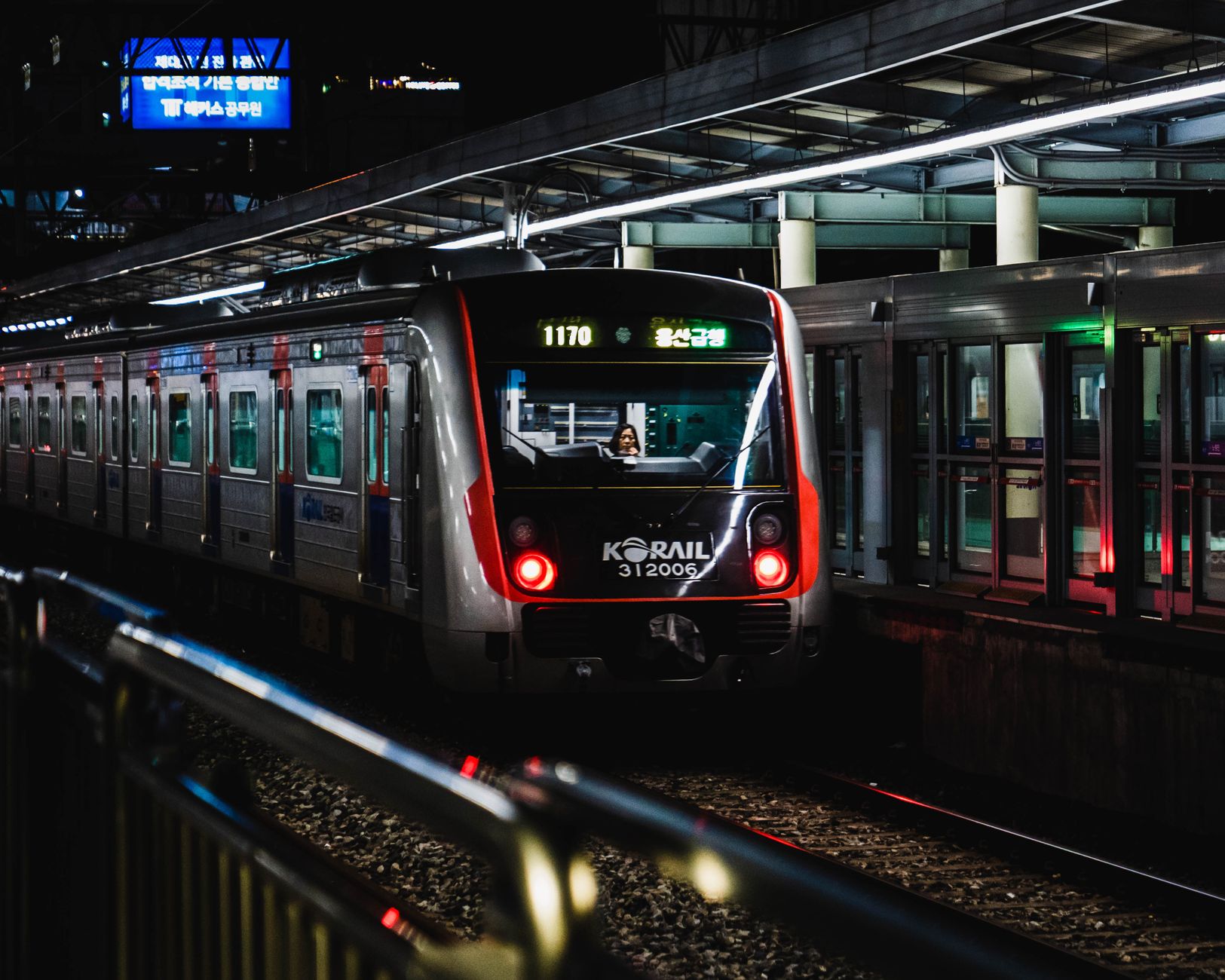
Photo by Francois Harris on Pexels
Essential Tips for a Smooth KTX Journey from Seoul to Busan
Once you’ve got your tickets sorted, here are a few insider tips for making your KTX journey as smooth as possible. These are things I’ve picked up from countless trips across the country, often with friends visiting from abroad!
Booking in Advance and Station Arrival
My golden rule for KTX tickets, especially for popular routes like Seoul to Busan, is to **book in advance**. For weekends, holidays, or peak seasons (think cherry blossom season or autumn foliage), tickets can sell out weeks ahead. Aim for at least 2-3 weeks out if your dates are firm. Even if you’re traveling off-peak, a few days in advance is always a good idea.
When it comes to departure day, arrive at the station at least 20-30 minutes before your train is scheduled to leave. Seoul Station, for example, is huge and can be a bit overwhelming with its multiple levels and shopping areas. You’ll need time to find your platform, maybe grab a coffee or a snack, and just generally orient yourself. The KTX trains are punctual to a fault, and they won’t wait for you!
Onboard Experience and Luggage
The KTX trains are super comfortable. Seats are spacious, there’s usually Wi-Fi (though signal strength can vary), and there are power outlets for charging your devices. You can bring food and drinks onboard, and there are often vending machines or small convenience stores at the stations to stock up before you depart. Consider grabbing a kimbap and some banana milk for the ride – a classic Korean travel snack!
For luggage, there are overhead racks for smaller bags and dedicated luggage compartments at the end of each car for larger suitcases. While there aren’t strict weight limits like on airlines, be mindful of what you can comfortably lift and manage yourself. If you’re traveling with a huge suitcase, try to get to the platform early to secure space in the larger compartments. Most people manage just fine with standard airline-sized checked bags.

Photo by Martin Shen Lee on Pexels
Troubleshooting Common Issues for KTX Foreign Bookings
Even with the best planning, sometimes things don’t go exactly as expected. Here’s a quick rundown of common issues foreigners face with KTX bookings and how to handle them:
Payment Failures and Ticket Collection
As mentioned earlier, payment failures with international cards are the most frequent headache. If all your online attempts fail, you still have options. You can try purchasing tickets through a travel agent specializing in Korea (though this will likely incur a service fee). Alternatively, if you have a friend in Korea, they might be able to purchase tickets for you using a local card. Worst case, you can always buy tickets in person at the station. Major stations like Seoul and Busan have international ticket counters with English-speaking staff, but be prepared for potential queues, especially during peak times.
When it comes to collecting your physical ticket, if you’ve booked online, you’ll need your reservation number (usually sent to your email) and the passport you used for booking. You can print your tickets at any KTX station using the automated machines (they have English options) or at the ticket counter. It’s a straightforward process, but make sure to have all your details handy.
Changes, Cancellations, and Customer Service
Need to change your travel date or time? You can usually do this online through the Korail website up to a certain point before departure, or in person at a station ticket counter. Be aware that there might be a small fee or a difference in fare depending on the changes. For cancellations, similar rules apply, and refunds are typically processed back to your original payment method, minus any cancellation fees.
If you encounter any complex issues, Korail does have a customer service line, and while it might take a bit to get through, they usually have English-speaking staff available. Their website also has a comprehensive FAQ section that can answer many common questions about their services, including details about Seoul to Busan train foreign payment options and more specific inquiries about the Korail Pass.
Taking the KTX is an integral part of the Korean travel experience, offering breathtaking views and efficient transit. Don’t let the initial booking process intimidate you. With these tips and a little perseverance, you’ll be zipping across the country like a seasoned local in no time. Happy travels, and enjoy the ride!