Navigating Seoul’s vibrant culinary scene as a vegetarian might seem daunting at first glance. Trust me, I’ve been there! When I first moved to Seoul, the sheer abundance of delicious Korean BBQ and seafood had me wondering if I’d be living on kimchi and rice alone. But after years of exploring, I’m here to tell you that finding vegetarian-friendly restaurants in Seoul is not only possible but incredibly rewarding. You just need a few insider tips and the right mindset to unlock a world of delicious meat-free dining in this bustling city.
Key Takeaways:
- Seoul offers a growing number of dedicated vegetarian and vegan restaurants, especially in popular neighborhoods.
- Temple food (sachal eumsik) is a fantastic, naturally vegan Korean option, free from meat and alliums.
- Communication is key; learn a few essential Korean phrases or use translation apps to explain your dietary needs.
- Many traditional Korean dishes can be adapted to be vegetarian or vegan with simple requests.
Heads up: this post contains affiliate links. If you make a purchase through one, I may earn a small commission at no extra cost to you — thanks for supporting the blog!
Quick disclaimer: I’m not a registered dietitian or licensed medical professional — I’m just sharing what’s worked for me and what I’ve researched. If you have specific dietary concerns or allergies, always consult with a professional and double-check ingredients.
Embracing Seoul’s Vegetarian Scene: More Than Just Kimchi
When you think of Korean food, sizzling BBQ and hearty stews often come to mind. And while those are certainly a big part of the culinary landscape, the truth is, Korea has a rich history of plant-based eating, particularly through its Buddhist temple traditions. This means there’s a surprising amount of Get Your SIM Card at Incheon Airport on Arrival delicious Korean vegetarian food to discover, from ancient recipes to modern vegan cafes. The key is knowing where to look and how to ask.
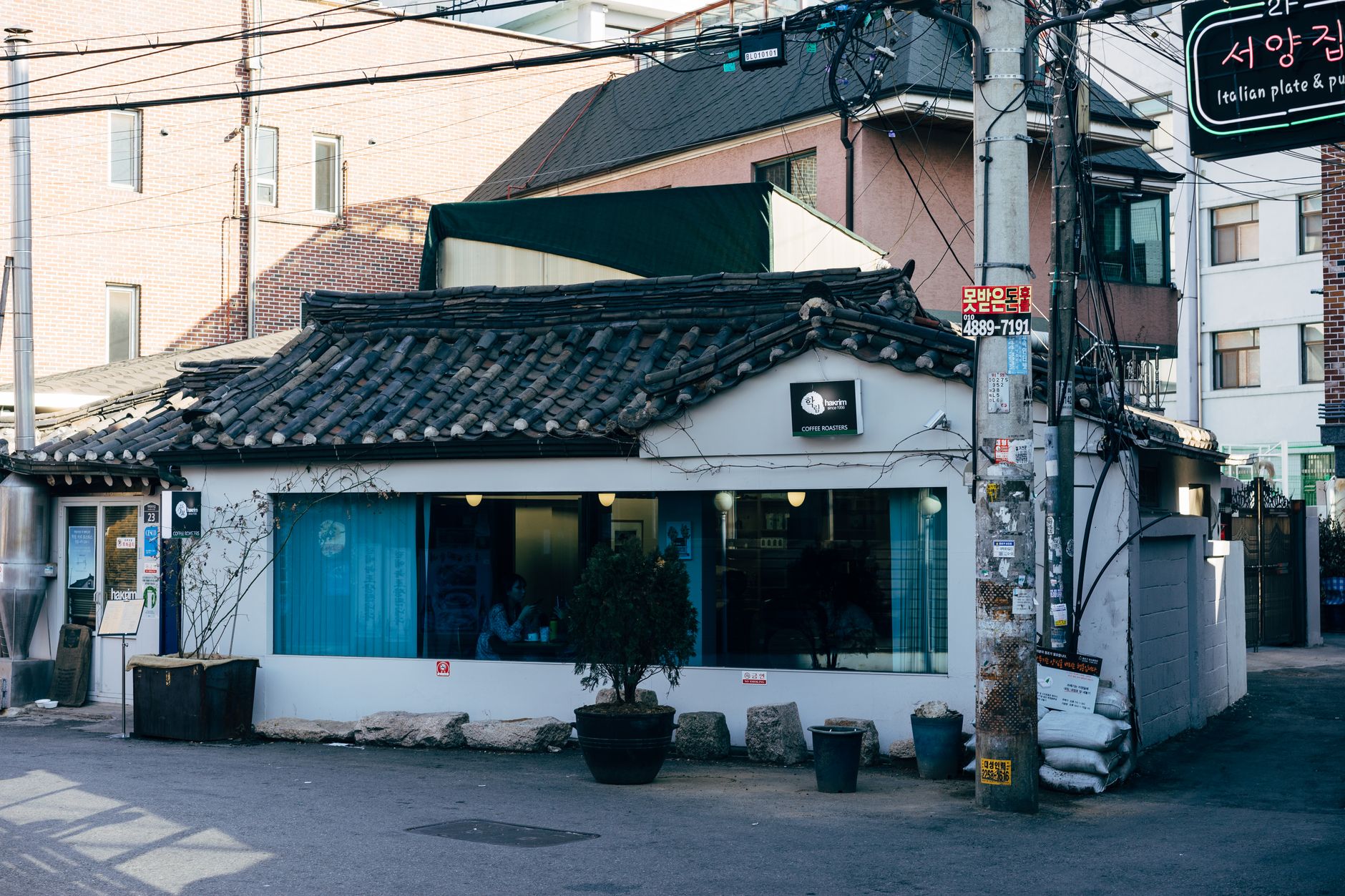
Photo by Markus Winkler on Pexels
The Rise of Vegan Restaurants in Seoul
Over the past decade, Seoul’s vegetarian and vegan scene has truly blossomed. What was once a niche is now a thriving movement, with new dedicated plant-based eateries popping up regularly. You’ll find everything from cozy cafes serving Western-style vegan comfort food to traditional Korean restaurants specializing in temple cuisine.
Many of these establishments are concentrated in popular areas, making them relatively easy to find. For instance, neighborhoods like Itaewon, Hongdae, Insadong, and parts of Gangnam are becoming hotspots for meat-free dining in Seoul.
Essential Tools for Vegetarian Travel in Korea
Before you even step foot into a restaurant, having the right tools can make all the difference in finding vegetarian-friendly restaurants in Seoul. Technology is your best friend here, especially with potential language barriers.
Apps for Vegetarian Travel Korea
Forget relying solely on Google Maps for navigation and restaurant searches in Korea; it doesn’t always perform optimally for walking directions. Instead, download Naver Maps or Kakao Map – these are local favorites and incredibly accurate, even down to the smallest alleys.
For finding specific vegetarian and vegan restaurants, HappyCow is an absolute must-have. It provides a comprehensive directory, often with reviews, photos, and directions, making it super easy to locate plant-based spots nearby. I use it constantly to scout out options before I even arrive in a new area.
Another excellent app, developed specifically for the Korean market, is VegeFeed. It lists over 1,600 vegetarian-friendly restaurants, many of which have been personally vetted. It also includes user reviews and filters for different types of vegetarian diets (vegan, lacto-ovo, etc.).
And for those moments when you need to communicate your dietary needs on the fly, Papago (by Naver) is hands-down the best translation app for Korean. It handles voice, text, and even image translation, which is incredibly useful for deciphering menus or talking to restaurant staff.
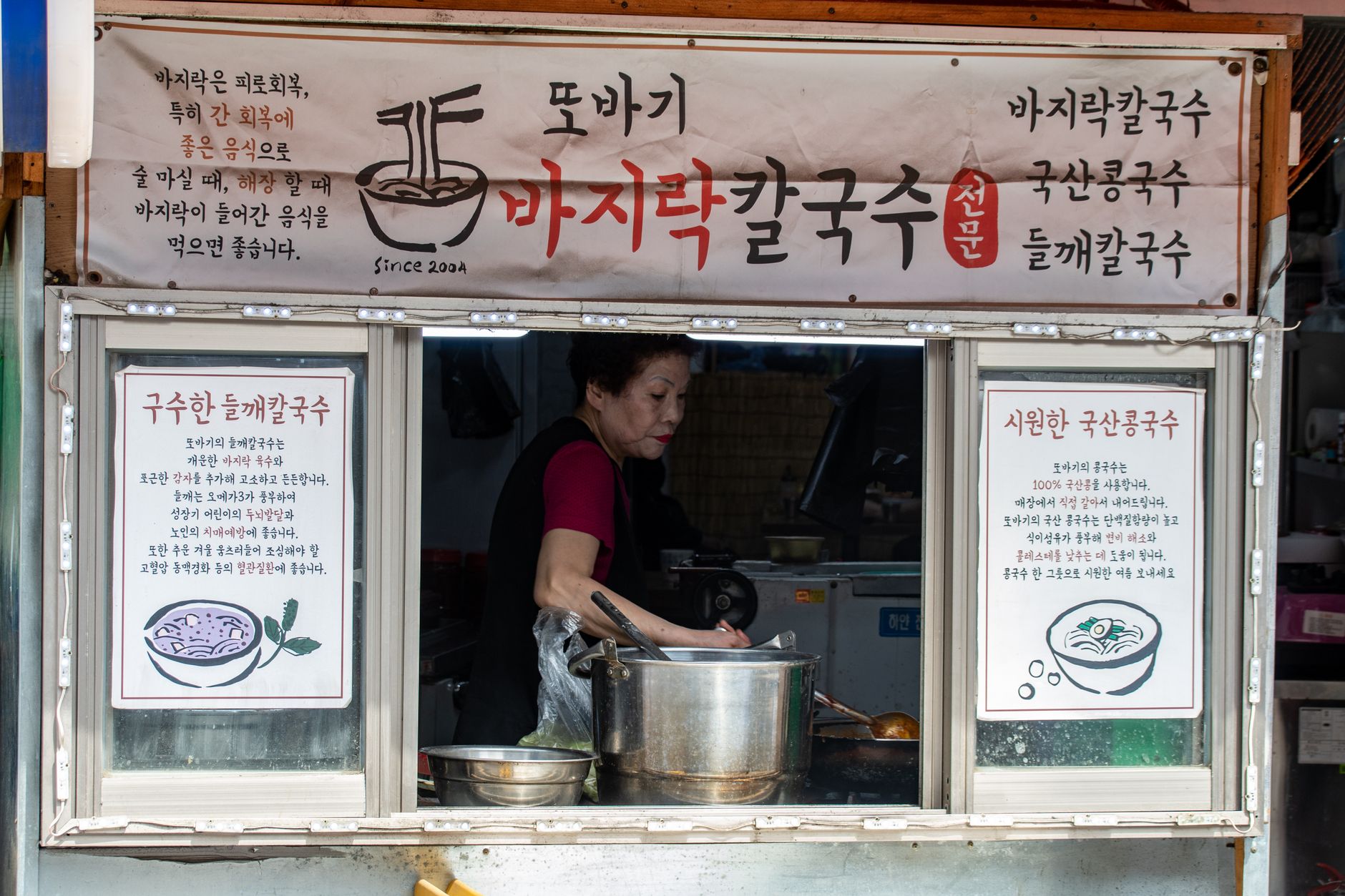
Photo by wal_ 172619 on Pexels
Key Korean Phrases for Vegetarians
Even with great apps, knowing a few basic Korean phrases can significantly improve your dining experience. While many younger Koreans in tourist areas speak some English, it’s not a guarantee, and showing effort in their language is always appreciated.
- “I am a vegetarian.” – (Jeoneun chaesikjuuija-yeyo).
- “I am a vegan.” – (Jeoneun bigeon-i-eyo). (This is a newer, more widely understood term for vegan).
- “I don’t eat meat.” – (Jeoneun gogi an meogeoyo).
- “I don’t eat seafood.” – (Jeoneun haesanmul an meogeoyo).
- “Please remove meat/egg/fish.” – (//) ((Gogi/Gyeran/Saengseon) ppaejuseyo).
- “Is there meat/fish broth?” – / ? (Gogi yuksu/Saengseon yuksu isseoyo?)
I usually start by saying I’m vegetarian and then specify what I don’t eat (meat, fish, often egg or dairy if I’m aiming for vegan). Having these written down on your phone, ready to show, can be a lifesaver.
Exploring Korean Vegetarian Food: Beyond the Obvious
Don’t fall into the trap of thinking Korean cuisine is all meat-centric. There are many delicious traditional dishes that are naturally vegetarian or can easily be modified. Understanding these options will greatly expand your culinary horizons.
Temple Food (Sachal Eumsik): A Truly Vegan Korean Experience
This is arguably the purest form of Korean vegetarian food. Temple food, or sachal eumsik, adheres to Buddhist principles, meaning it’s entirely plant-based and traditionally excludes alliums (garlic, onions, chives, leeks) and often dairy and eggs. It focuses on fresh, seasonal vegetables, mushrooms, and fermented ingredients, creating incredibly flavorful and wholesome meals.
You can find dedicated temple food restaurants in Seoul, particularly in areas like Insadong. Some well-known ones include Balwoo Gongyang (a Michelin-starred option) and Sanchon. These often offer multi-course meals that are a true culinary journey.
Vegetarian-Friendly Korean Dishes
Beyond temple food, many everyday Korean dishes can be enjoyed by vegetarians. Here are a few to look out for:
- Bibimbap (): A classic mixed rice bowl. While often served with meat and an egg, you can easily request it without these. It’s packed with various sautéed vegetables (namul) and chili paste (gochujang). Just ask for ” ” (gogi-rang gyeran ppaejuseyo – please remove meat and egg).
- Japchae (): Sweet potato glass noodles stir-fried with vegetables like mushrooms, carrots, spinach, and onions. This is often naturally vegetarian, but always confirm no meat is added.
- Gimbap (): Korean seaweed rice rolls. The “vegetable gimbap” (yachae gimbap) is usually a safe bet, filled with carrots, pickled radish, spinach, and burdock root. However, sometimes they include ham or egg, so it’s best to double-check.
- Pajeon () / Bindaetteok (): Savory pancakes. Pajeon (green onion pancake) or gamja jeon (potato pancake) are often vegetarian. Bindaetteok (mung bean pancake) can be vegetarian but sometimes contains pork, so ask for a plain version.
- Tteokbokki (): Spicy rice cakes. This popular street food can be vegetarian, but the sauce often contains fish cake (eomuk) or anchovy broth. Look for stalls that specify vegetarian options or ask if they can prepare it without these ingredients.
- Kongguksu (): A refreshing cold noodle soup made with a creamy, chilled soy milk broth. Perfect for summer and naturally vegetarian. Just ensure no egg garnish is added if you’re vegan.
Neighborhoods for Meat-Free Dining Seoul
While dedicated vegan and vegetarian restaurants are becoming more widespread, certain neighborhoods are particularly known for their abundance of plant-based options. These areas are a great starting point for your culinary explorations.
Insadong: Traditional Korean Vegetarian Food and Temple Cuisine
Insadong is a cultural hub and a fantastic place to find traditional Korean vegetarian food, especially temple cuisine. You’ll find several renowned establishments here, like Osegyehyang, which offers a wide array of veganized Korean dishes in a cozy, traditional setting. It’s a great spot to try vegan versions of classics like bulgogi and fried chicken.
The atmosphere in Insadong is also wonderful for a leisurely meal, surrounded by tea houses and artisan shops. After a satisfying meal, you can wander through Ssamzigil or visit the Kyung-In Museum of Fine Art.
Itaewon: International and Trendy Vegan Restaurants
Itaewon is known for its diverse international food scene, and this extends to its impressive selection of vegan and vegetarian restaurants. You’ll find a mix of Western-style cafes and eateries offering global plant-based cuisine. Places like Plant Cafe, Vegetus, and Monk’s Butcher are highly recommended for their varied menus and welcoming atmospheres.
From hearty vegan burgers and pasta to fresh salads and delicious desserts, Itaewon has something for every plant-based craving. It’s a great area to explore if you’re looking for familiar comfort food or want to try innovative vegan creations.
Hongdae: Youthful Vibes and Casual Vegan Eateries
Hongdae, with its youthful energy and vibrant arts scene, also boasts a growing number of vegetarian and vegan spots. You’ll find many casual cafes and restaurants catering to a younger crowd, often with creative and affordable plant-based options.
Look for places offering vegan versions of ramen, dumplings, or even unique fusion dishes. It’s a fantastic neighborhood to explore for a relaxed meal after checking out the street art or catching a live performance. Gusto Taco is a great option for vegetarian Mexican food in Hongdae.
Gangnam: Upscale and Modern Plant-Based Dining
Gangnam, famous for its upscale shopping and trendy cafes, also offers several modern plant-based dining experiences. From stylish vegan cafes to buffet-style restaurants, you can find a good range of options. Plantude in COEX Mall is a popular spot for modern fusion Korean vegan dishes, and Veg Green Buffet offers a wide variety of Korean vegan and vegetarian buffet food.
If you’re staying in the Gangnam area, or just exploring, you’ll find plenty of convenient and delicious choices. Speaking of convenience, if you’re looking for a comfortable stay right in the heart of the action, I highly recommend the Ocloud Hotel Gangnam. It’s centrally located, making it easy to access many of these fantastic dining spots and other attractions in Gangnam.
Also available: Check Ocloud Hotel Gangnam Price & Availability →
Navigating Everyday Dining and Street Food
Beyond dedicated vegetarian establishments, you can still find meat-free options in regular restaurants and even among Seoul’s famous street food. It just requires a bit more awareness and communication.
Tips for Ordering at Non-Vegetarian Restaurants
When dining at a non-vegetarian restaurant, especially one specializing in a particular dish, it’s crucial to be clear about your dietary needs. Many Korean dishes use meat or fish broth as a base, even if the main ingredients appear vegetarian.
| Dish Type | Potential Issues | How to Ask / Order |
|---|---|---|
| Stews (Jjigae) | Often use meat/anchovy broth; tofu stews (sundubu jjigae) can still contain pork/seafood. | Ask for ” ” (yachae sundubu jjigae – vegetable tofu stew) and specify no meat/fish broth. |
| Noodle Soups | Broths are almost always meat or fish-based. | Request ” ” (yuksu daesin maengmullo kkeuryeo juseyo – please use plain water instead of broth). |
| Kimchi | Traditional kimchi often contains fermented seafood (fish sauce, shrimp paste). | Look for vegan kimchi at specialty stores or vegan restaurants. Some regular restaurants might have it, but it’s rare. |
| Banchan (Side Dishes) | Generally vegetable-based, but some may contain small amounts of fish or meat. | Usually safe, but if unsure, politely ask about specific dishes. |
Don’t be afraid to ask questions, even with a translation app. Most Koreans are incredibly hospitable and will try to accommodate you, though sometimes modifications might not be possible, especially in very specialized restaurants. I’ve found that having a written note explaining “I am vegetarian. I cannot eat meat, fish, chicken, or seafood. Please do not use any meat broth” is often the most effective approach.
Vegetarian Street Food Options
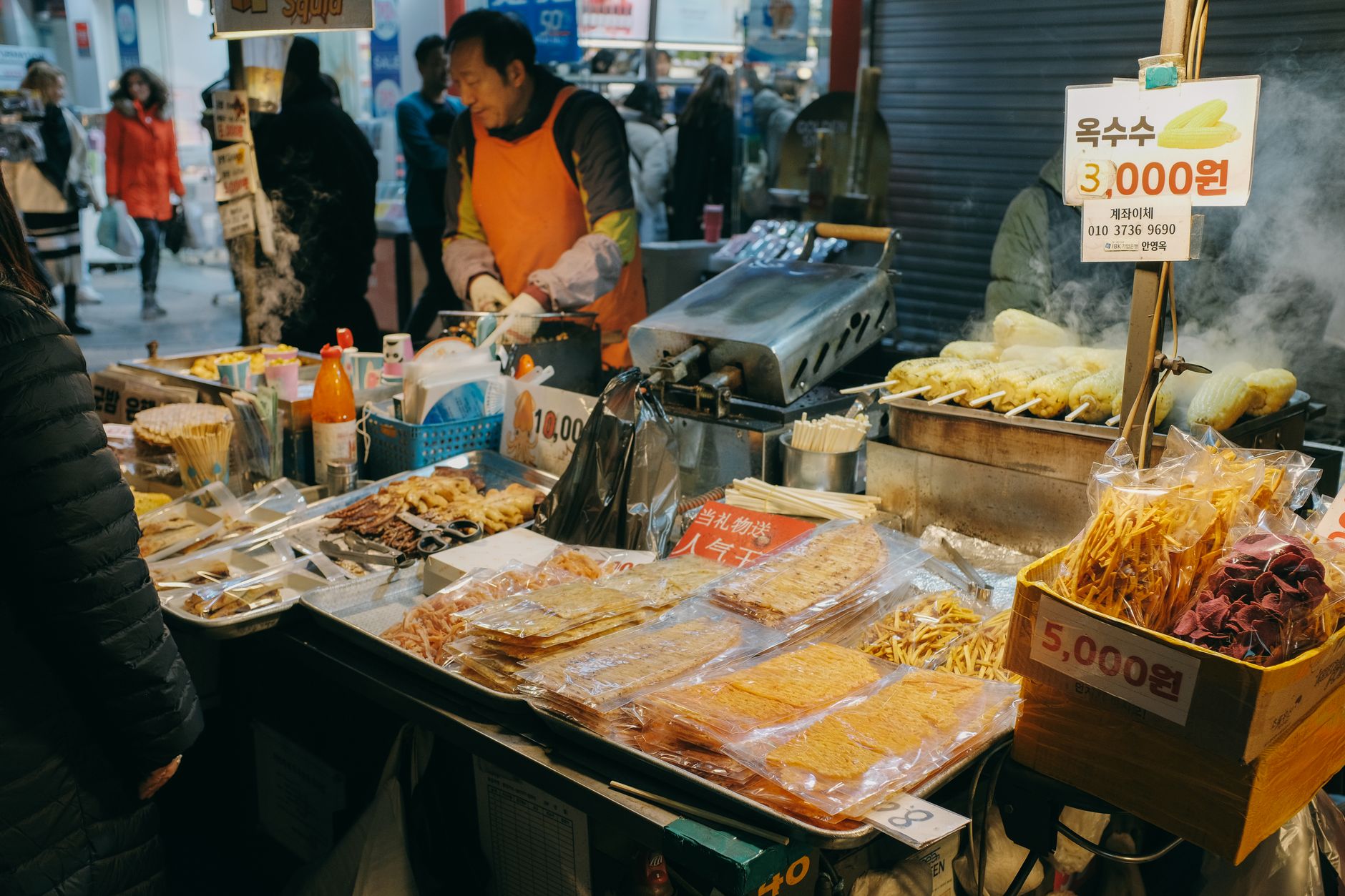
Seoul’s street food scene is legendary, and happily, there are some delicious vegetarian options to be found! You just need to be a little selective.
- Hotteok (): A sweet, chewy pancake often filled with brown sugar syrup and nuts. These are almost always vegetarian and utterly delicious.
- Tanghulu (): Candied fruit skewers. A sweet, crunchy, and naturally vegan treat.
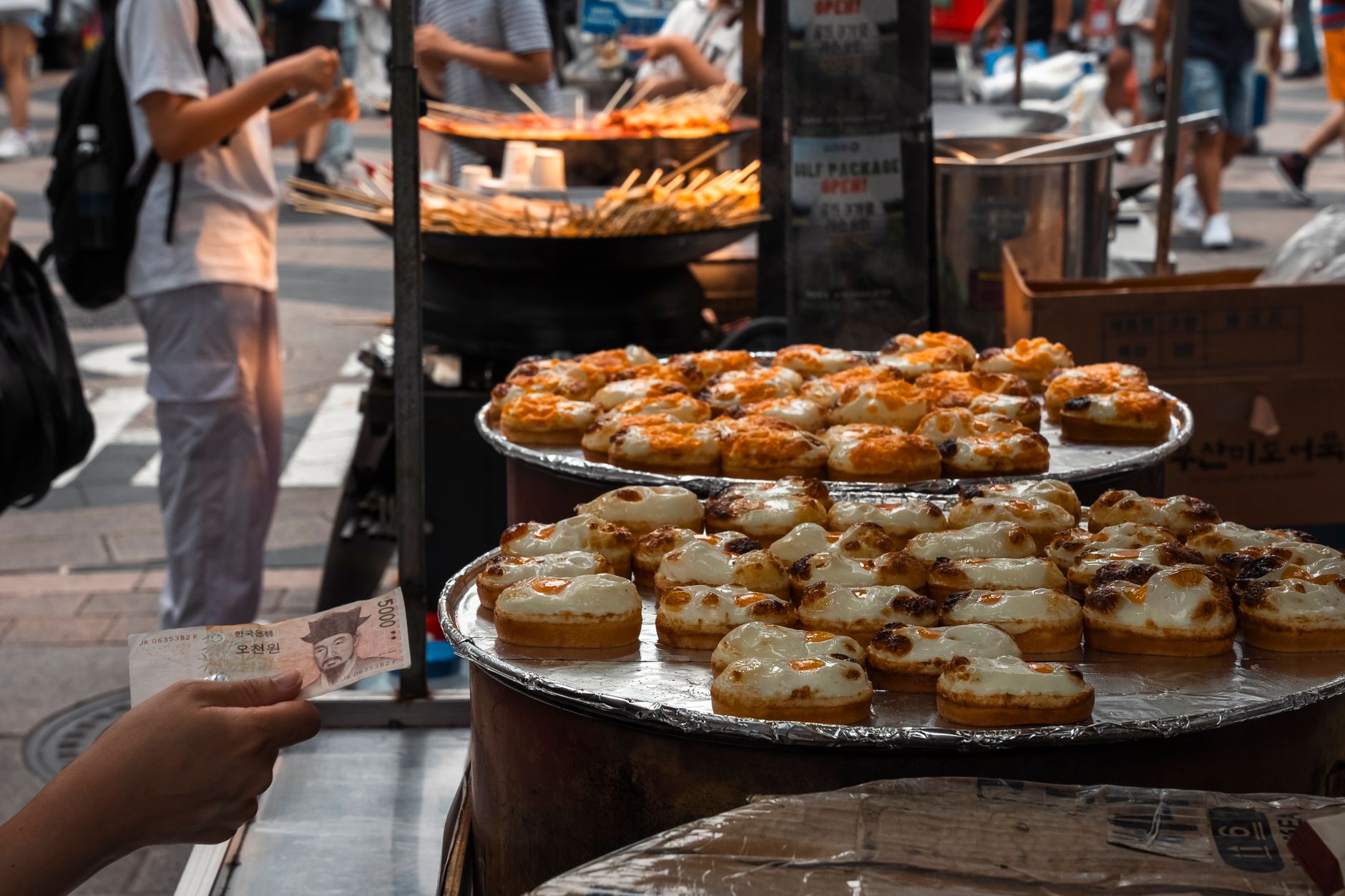
- Gyeran-ppang (): “Egg bread.” A small, sweet, fluffy bread with a whole egg baked inside. Obviously not vegan, but a good vegetarian snack.
- Hweori Gamja (): Spiral-cut fried potatoes on a stick, often called “tornado potatoes.” Usually just potato and seasoning, making it a safe vegetarian choice.
Always exercise caution and ask about ingredients if you’re unsure, especially for items like tteokbokki or various pancakes, which might have hidden meat or fish products.
My Personal Experience and Final Thoughts
Living in Seoul as a vegetarian has been an incredible journey, full of culinary discoveries and a few learning curves. I remember my first trip, feeling a bit overwhelmed, but quickly realizing that the city is far more accommodating than initial impressions might suggest. From savoring a traditional temple food meal in Insadong to grabbing a quick vegan burger in Itaewon, the options are diverse and constantly expanding. The key is to be prepared, do a little research with your trusty apps, and don’t be shy about communicating your needs.
Seoul’s food culture is deeply rooted in hospitality, and with a bit of effort, you’ll find that locals are often eager to help you enjoy their cuisine, even with dietary restrictions. So, go forth and explore, my fellow plant-based travelers! Your taste buds (and your Instagram feed) will thank you. The vibrant energy of the city, combined with its increasingly diverse food scene, truly makes Seoul a fantastic destination for anyone looking for meat-free dining.